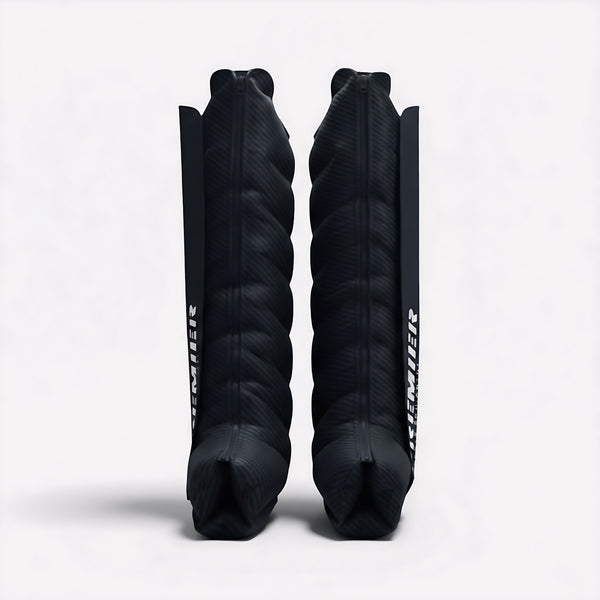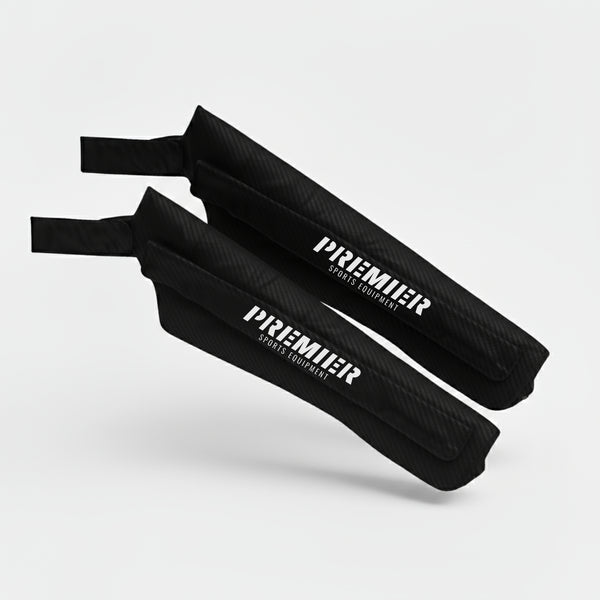









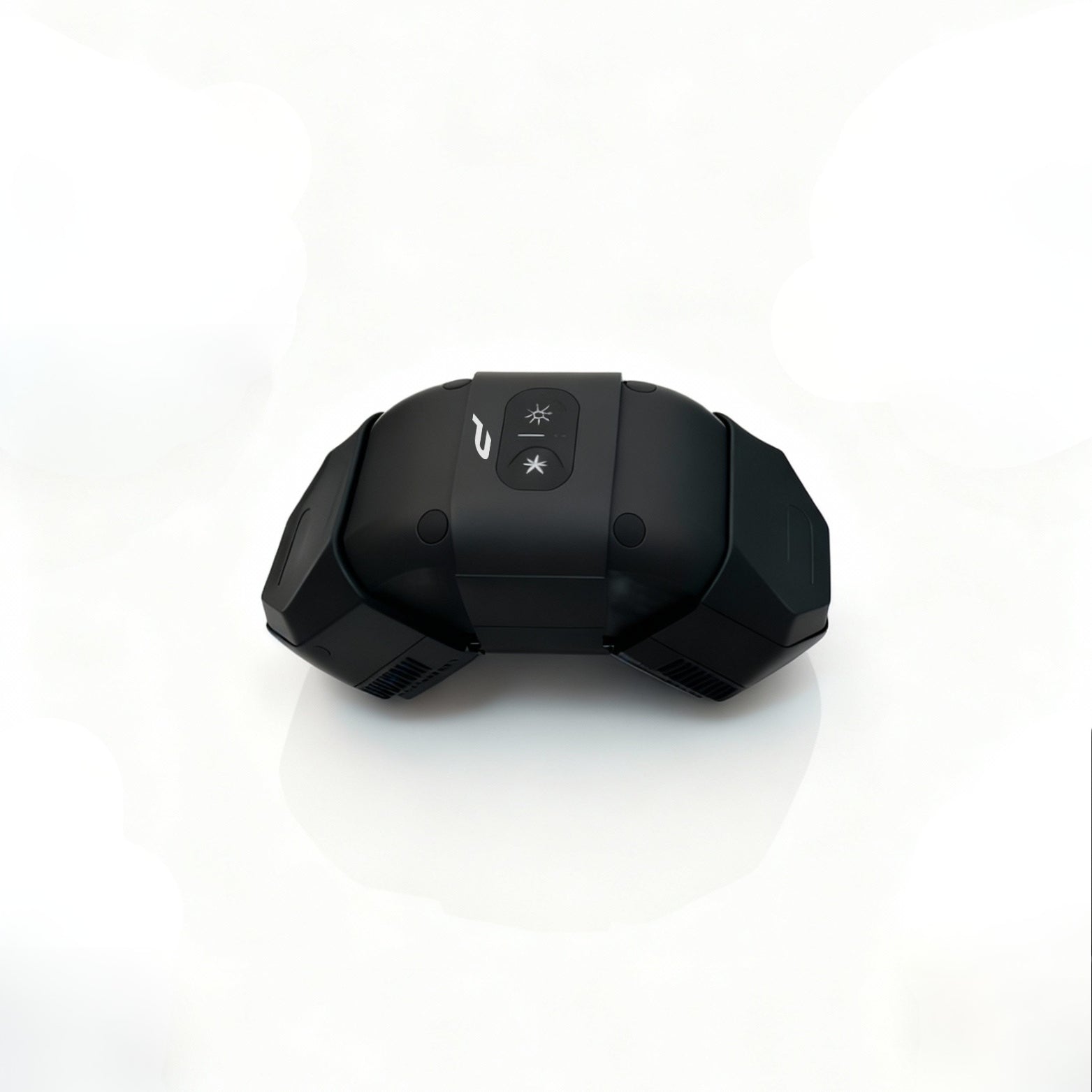

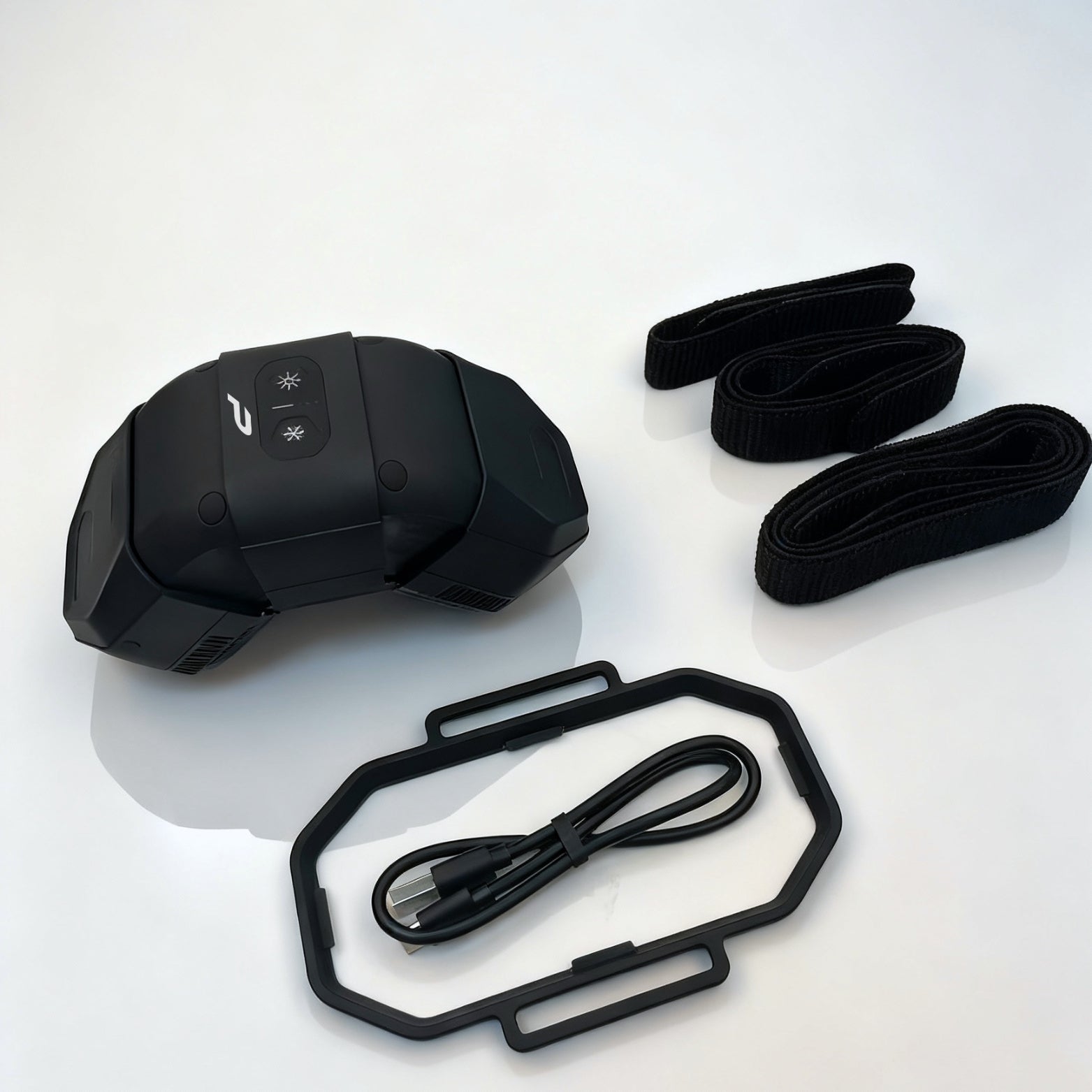


Training intensely or playing back-to-back sessions places huge demands on the body. Understanding the physiological cascade that follows exercise helps explain why recovery matters and how tools like compression boots can make a meaningful difference.
The physiological aftermath of exercise
When you push your body running drills, lifting weights or sustaining high-tempo sport several things happen:
-
Micro-damage to muscle fibres (the basis for adaptation).
-
Accumulation of metabolic by-products such as lactate and hydrogen ions, contributing to soreness.
-
Increased blood flow during exercise, followed by a period of reduced flow and possible pooling in the limbs.
-
Inflammation and fluid buildup in tissues (especially if recovery is delayed).
How compression boots assist the process
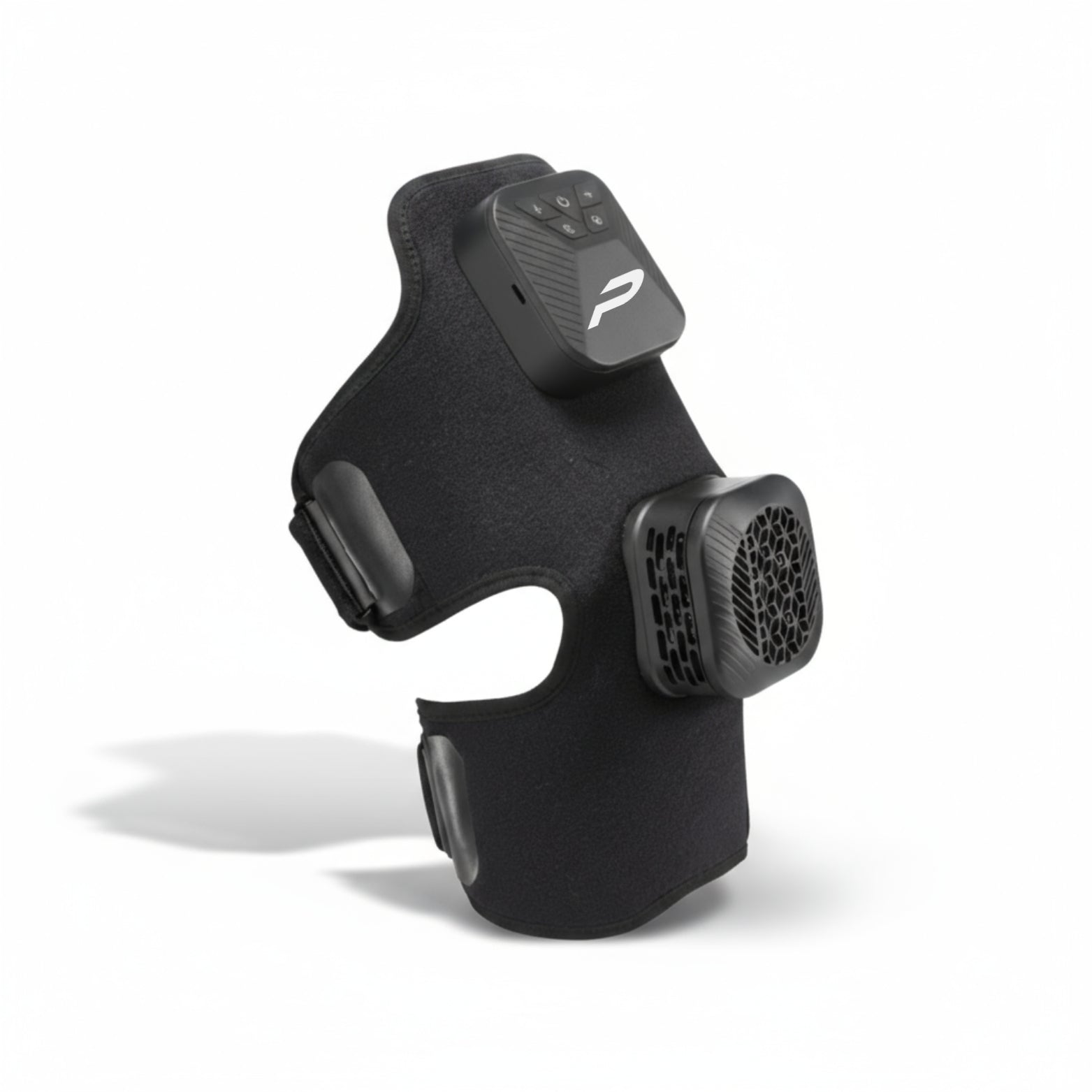
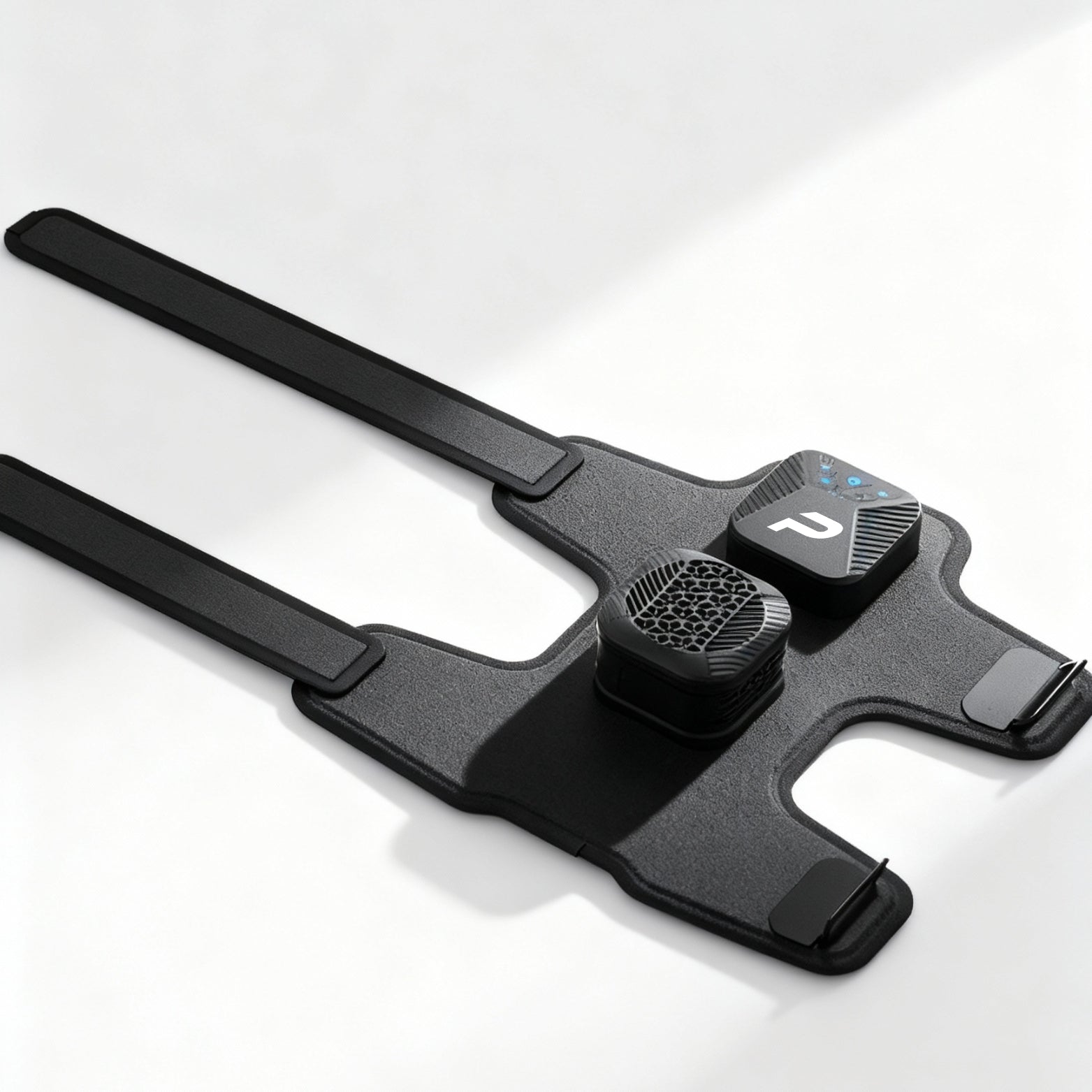
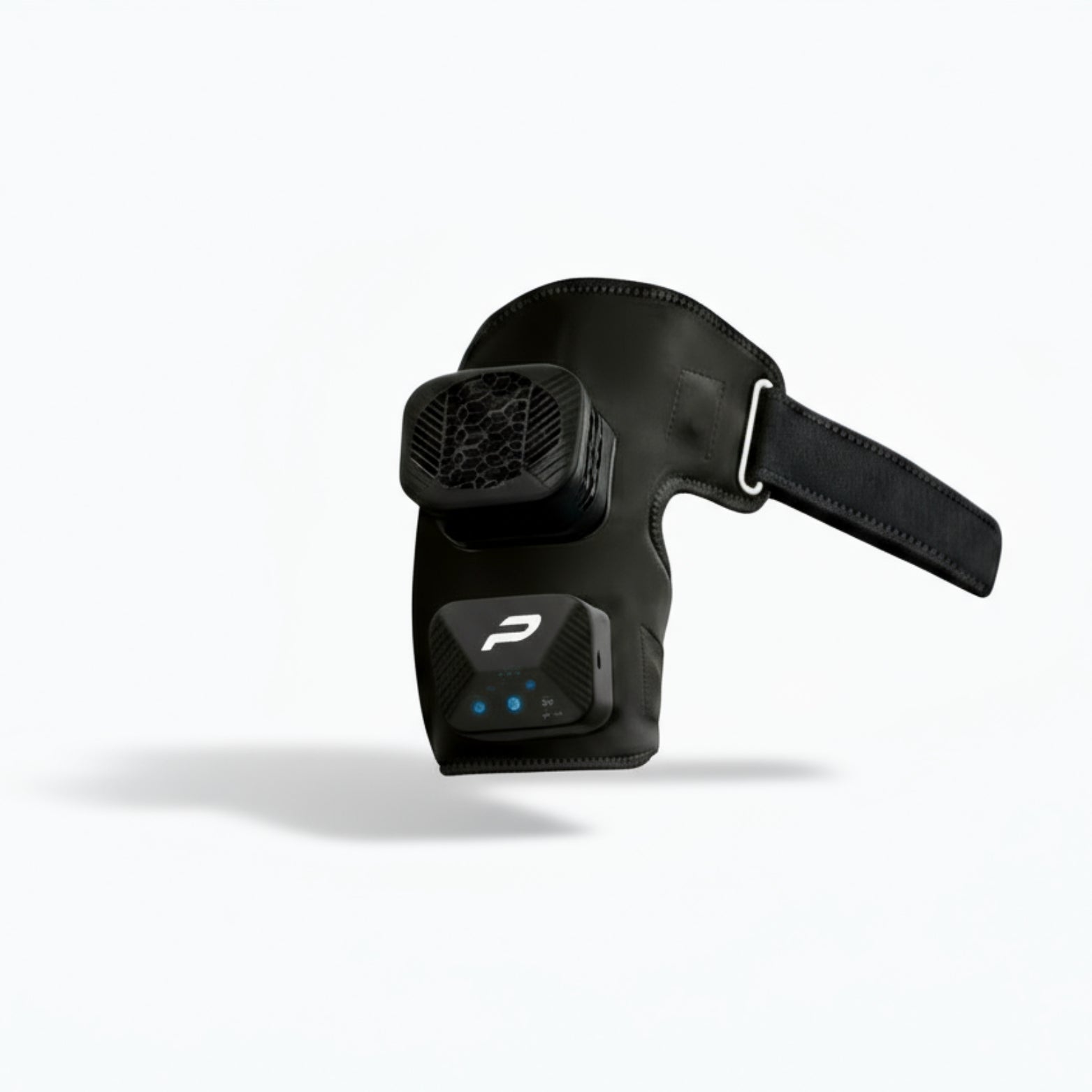
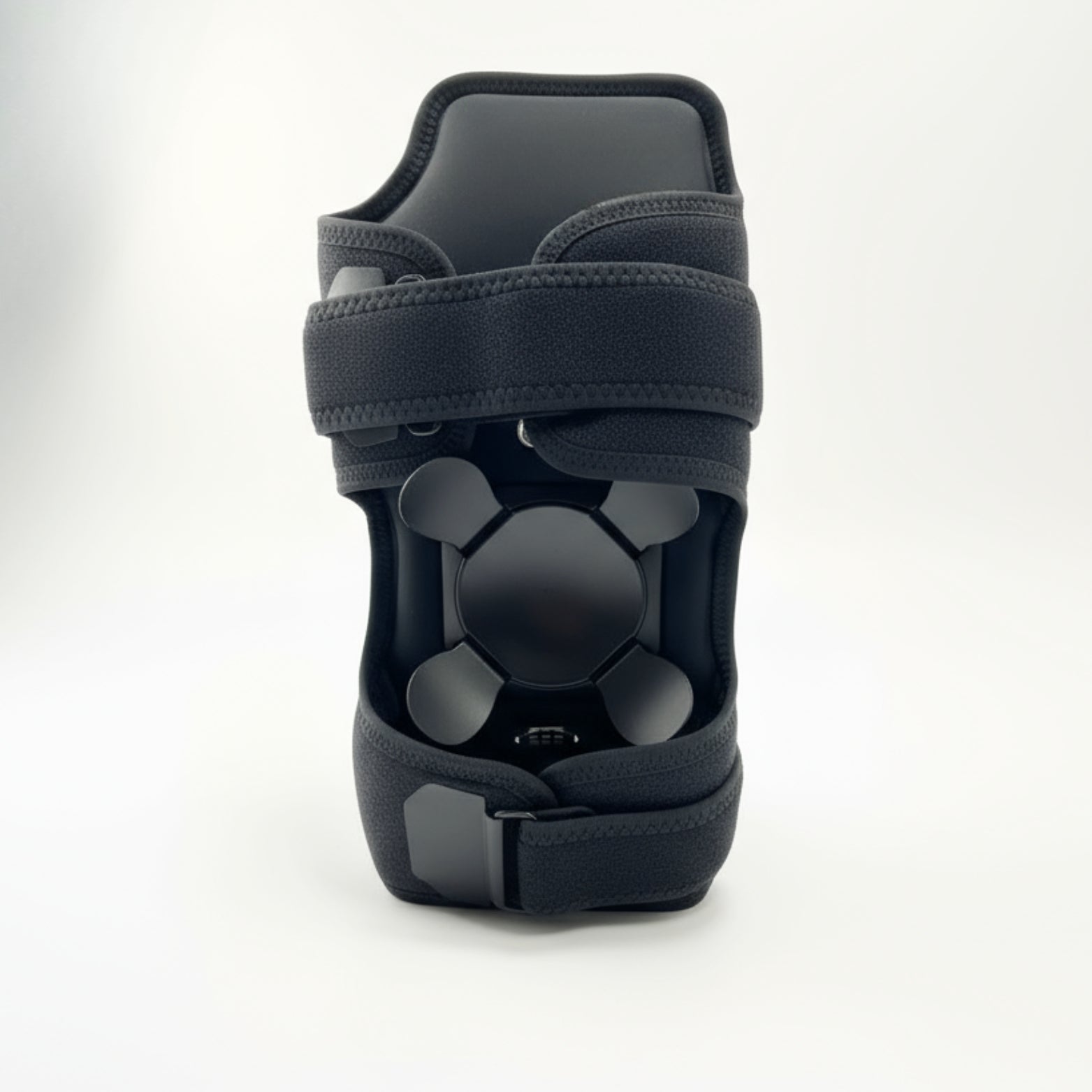
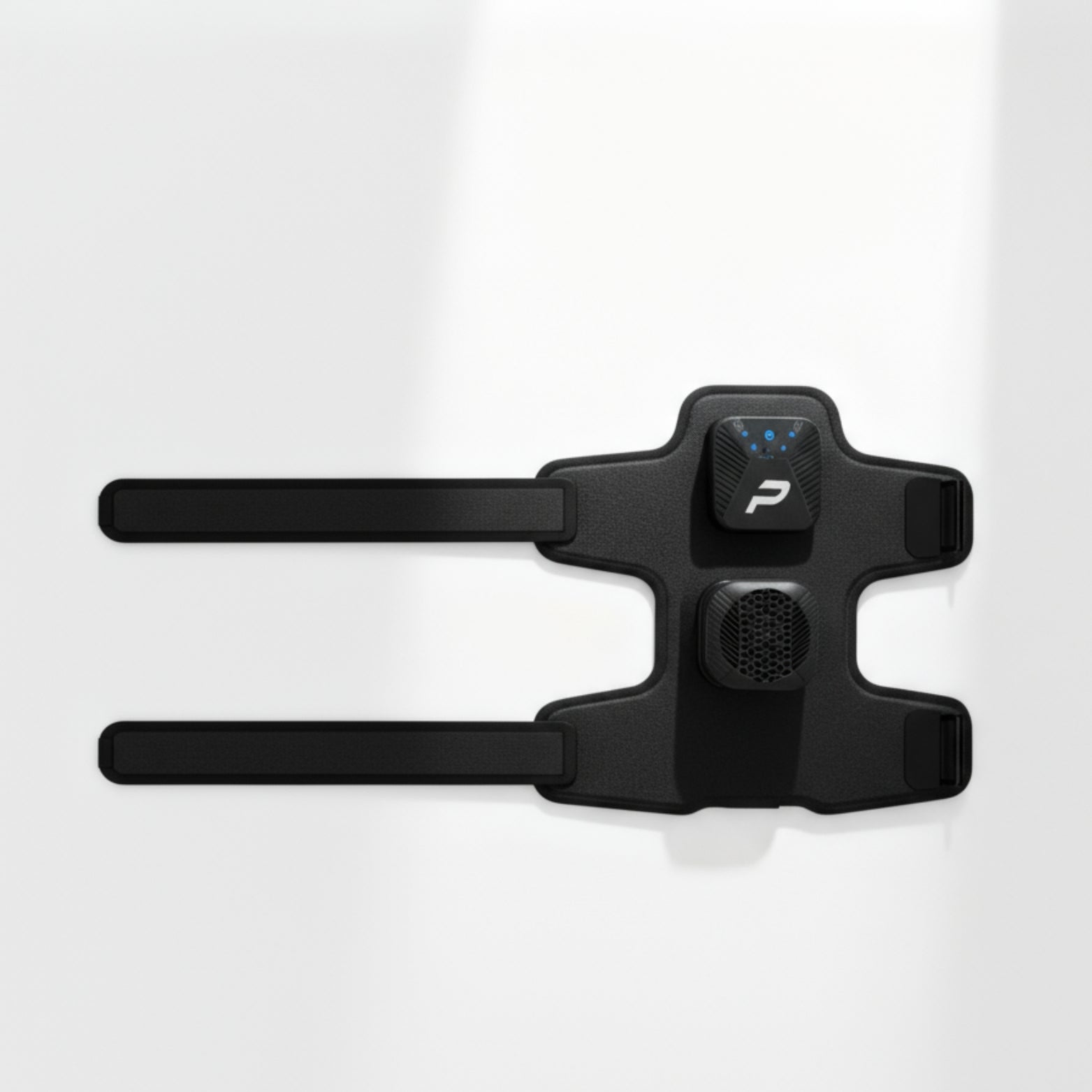
Compression boots apply sequential pressure to the limbs, helping counteract blood and fluid pooling and supporting removal of metabolic waste. As one recovery-focused article summarises: “When you work out … muscle tissues break down … that waste can hang around … Compression boots help push that waste out by improving blood flow and lymphatic drainage.”
Another review notes improved lymphatic drainage and reduced swelling with pneumatic devices.
Evidence in practice
A systematic review found that pressotherapy has moderate effect sizes for reducing muscle soreness after delayed onset muscle damage (DOMS), although gains in strength were less clear.
For athletes or clubs, this suggests that compression boots may feel beneficial—reducing soreness and improving comfort but should be paired with sound training and recovery principles for maximum impact.
Practical guidelines for use
-
Use compression boots within 1-2 hours after training or competition to support circulation.
-
A session of 20-30 minutes is common; longer sessions may be used on heavy load days or during tournament blocks.
-
Ensure hydration and passive recovery (e.g., foam roll, mobility) are also part of the routine.
-
For multi-session days (common in school or club settings) compressing between sessions may support readiness.
By managing the after-effects of training more proactively, compression boots help maintain muscle health and improve recovery consistency. That means fewer days feeling heavy, more sessions feeling sharp and better long-term performance.