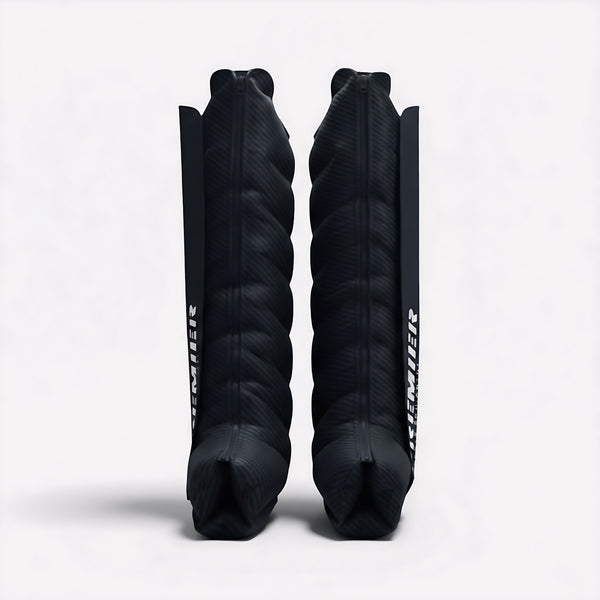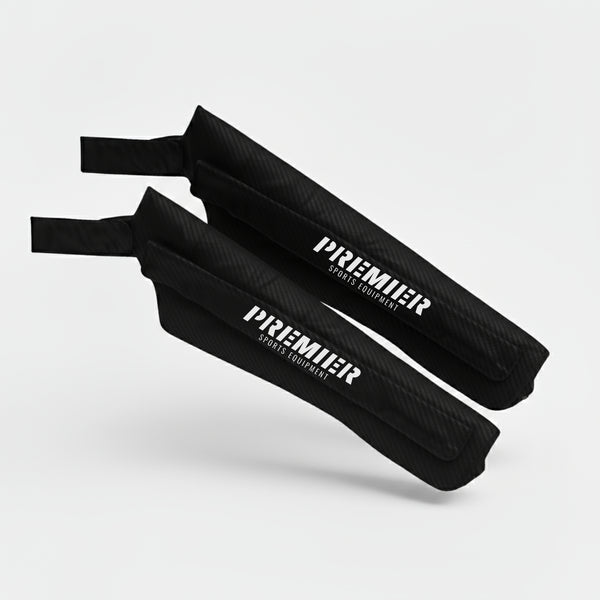





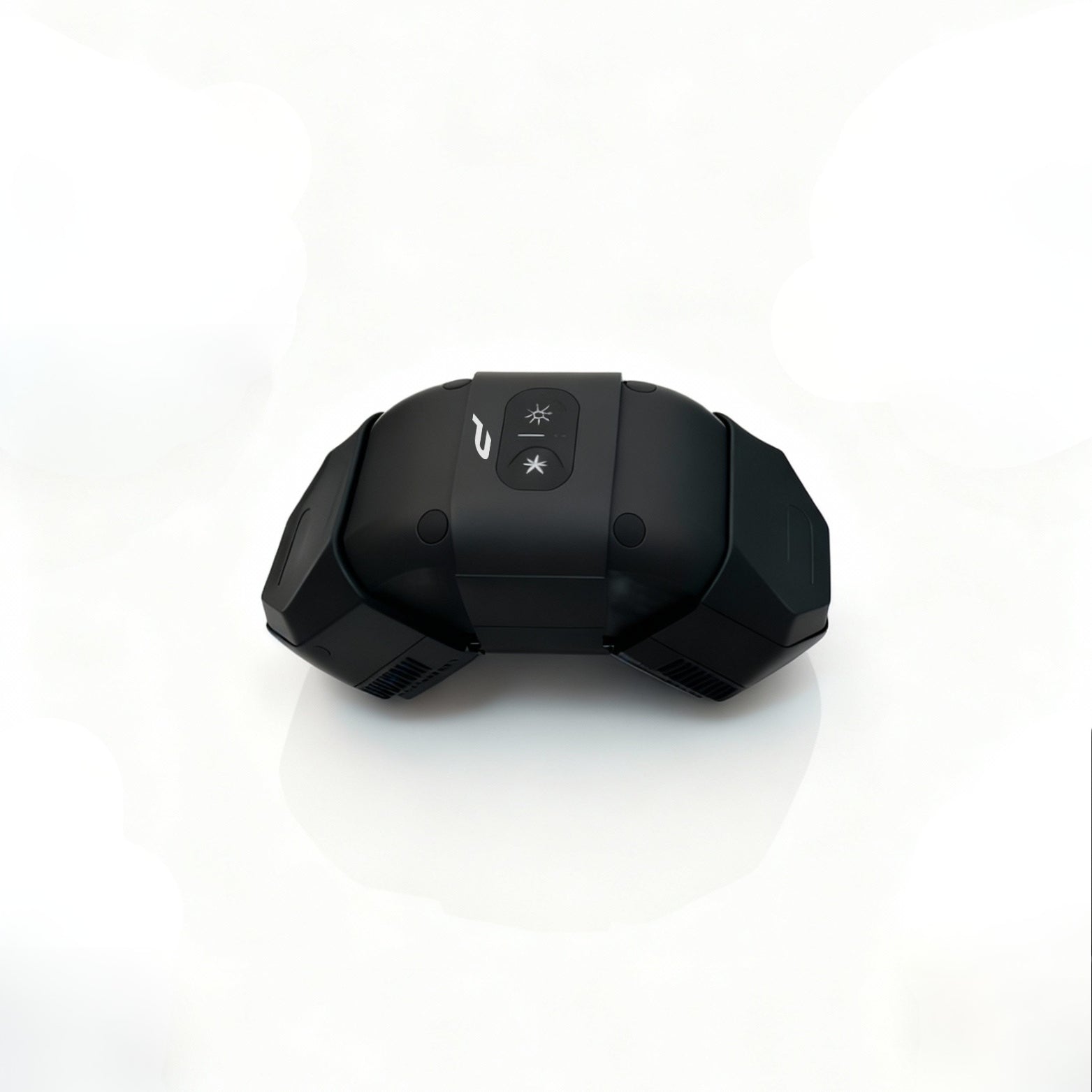

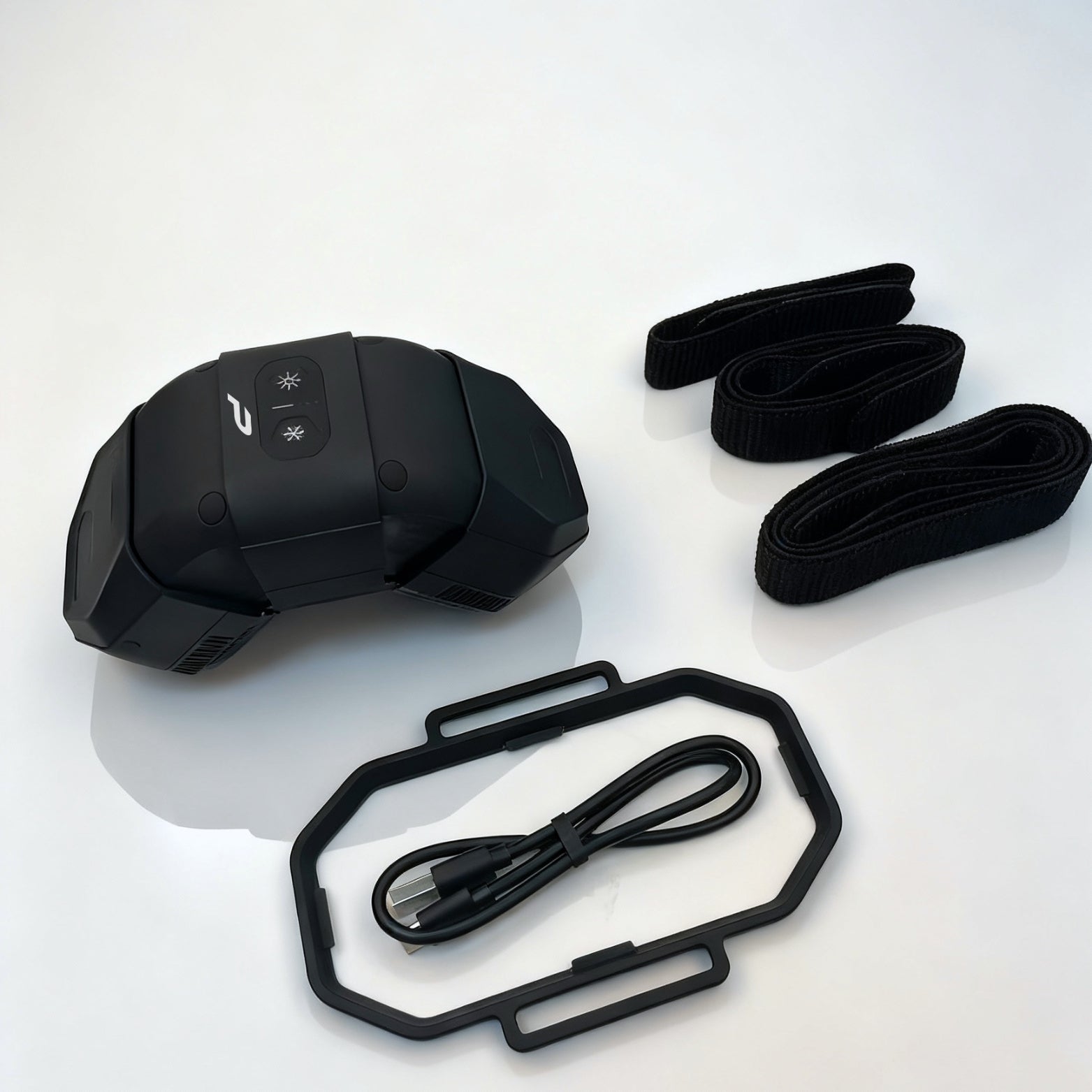


When athletes talk about recovery, the conversation often centres around ice baths, foam rollers and stretching. But an increasingly important tool gaining traction is compression therapy and not just in the gym or clinic, but in homes, schools and sports clubs across New Zealand.
How compression therapy works
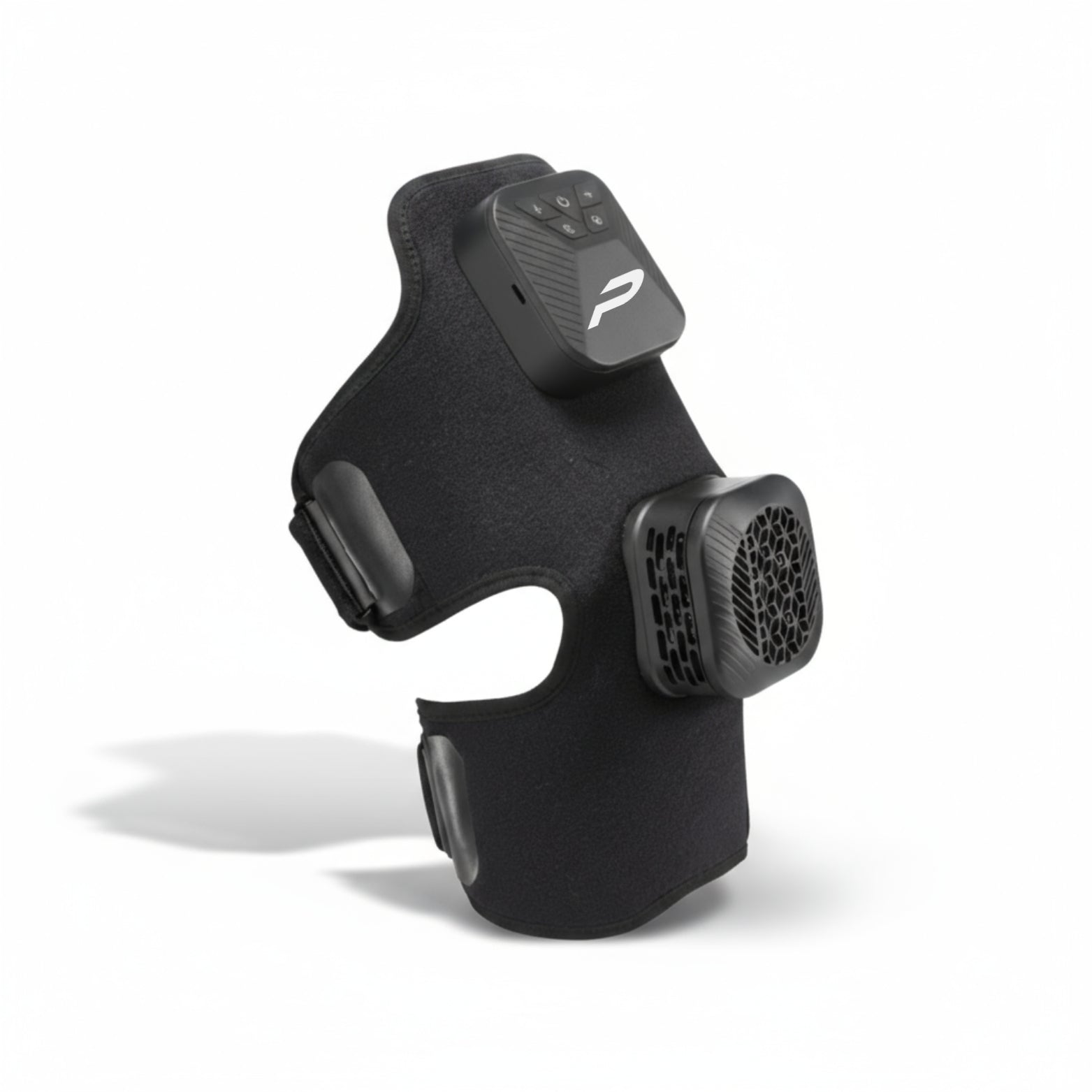
At its core, compression therapy applies pressure to a limb typically the lower legs supporting the body’s natural circulatory and lymphatic systems. According to the Cleveland Clinic, compression “improves blood circulation in the legs and reduces pain and swelling.
In more technical terms, devices known as intermittent pneumatic compression (IPC) units inflate and deflate chambers around the limb. This mechanism helps move blood and lymph fluid back towards the heart and supports the removal of metabolic by-products from muscle tissue.
What the research shows
A 2021 systematic review into pressotherapy, a term encompassing pneumatic compression devices found small to moderate effects on muscle soreness and recovery after exercise-induced muscle damage.
Another study of IPC boot use found that it may prevent pooling of blood in the legs post-exercise, though results were mixed and the improvement was modest.
On the clinical side, compression therapy is well-accepted in treating venous and lymphatic conditions. For example, a long-term study of lower-limb lymphedema using IPC reported significant reductions in limb circumference over time.
What this means for athletes, clubs and home-users
While the magnitude of benefit for healthy, well-trained athletes remains modest, the evidence suggests several practical gains:
-
Improved circulation may help reduce sensations of heaviness or fatigue in the legs after intense training.
-
Enhanced lymphatic drainage supports movement of fluid and waste products out of the tissues, which in turn can help with recovery comfort and readiness.
- For schools, clubs or home setups, compression therapy adds another tool to the recovery toolbox especially useful when athletes train frequently and need to maintain availability.
Best practice recommendations
To gain value from compression therapy:
-
Use post-workout or on rest days when circulation is reduced (e.g., after long travel or multiple sessions).
-
Typical protocols use 20-30 minutes of treatment at pressures around 40-60 mmHg or higher depending on the device.
-
Combine with other recovery modalities: hydration, quality sleep, mobility work. Compression is one part of a broader system.
In short: Compression therapy may not be a magic bullet, but it’s a scientifically grounded strategy that supports circulation, recovery and performance—whether you’re a school athlete training twice a week, a club player chasing season consistency or a parent supporting your child’s development.