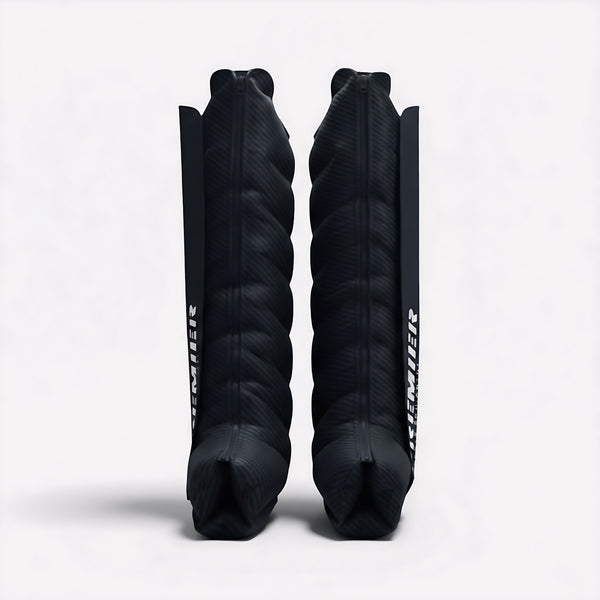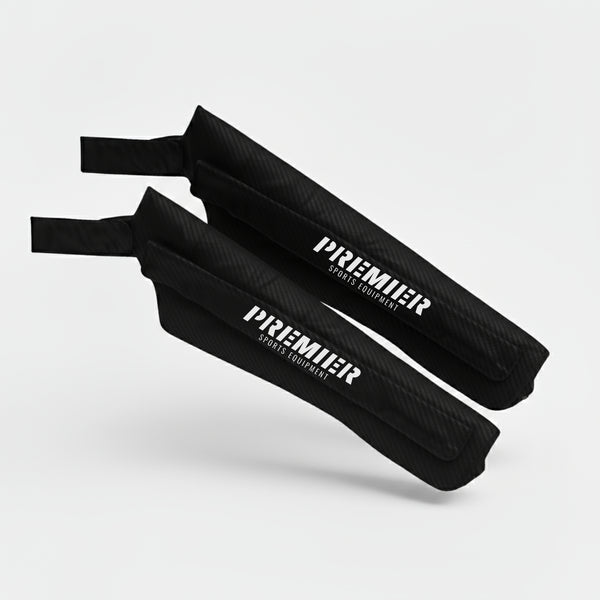













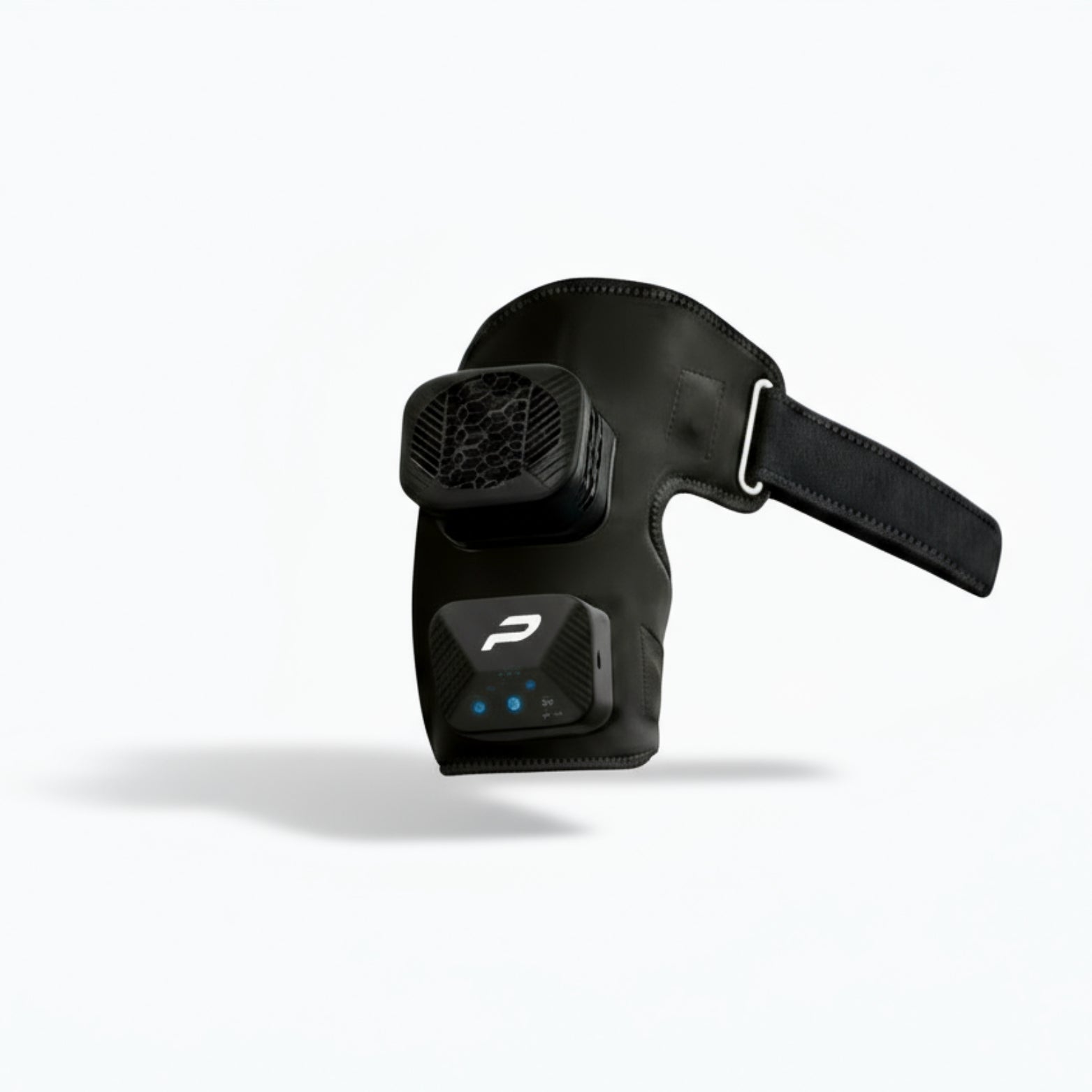
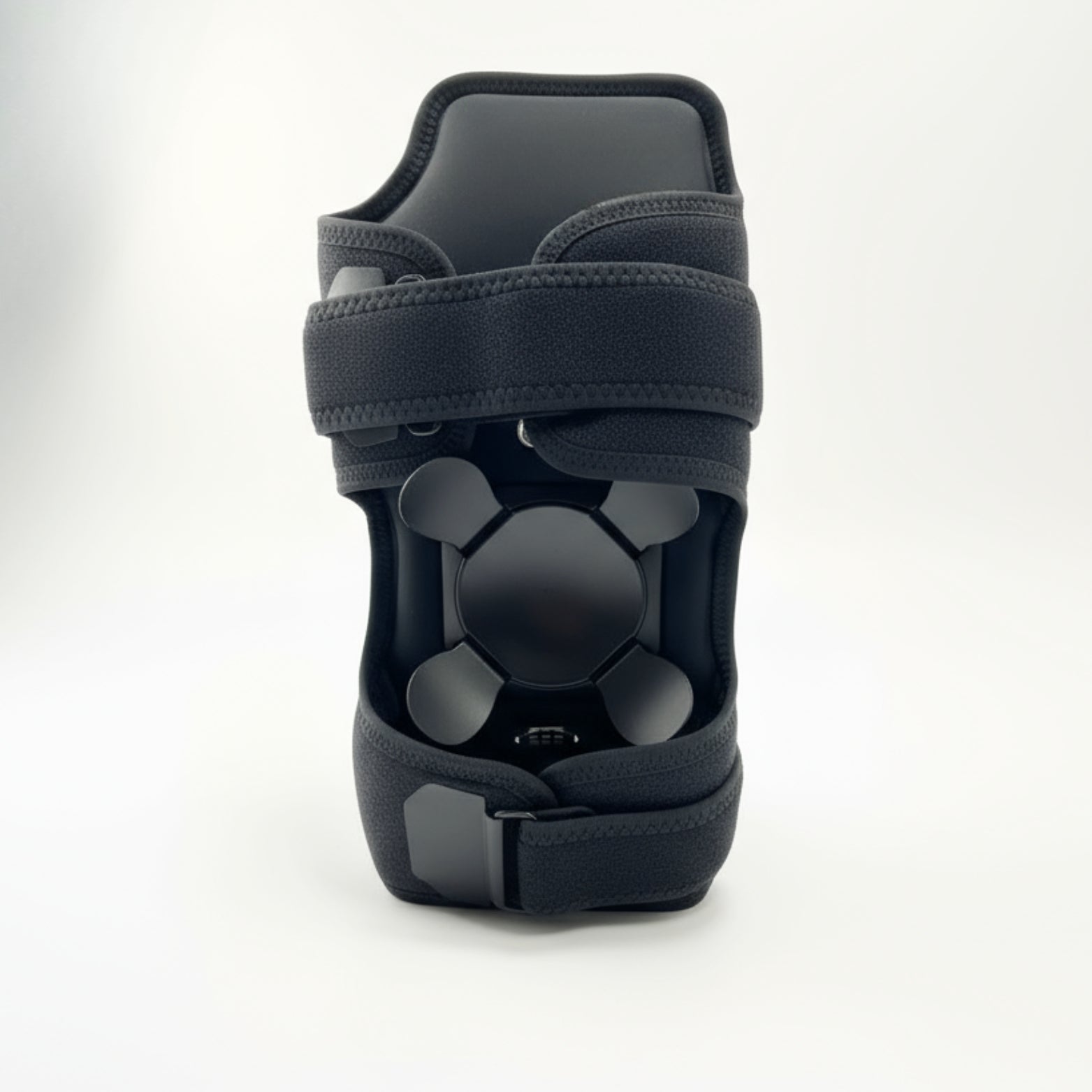
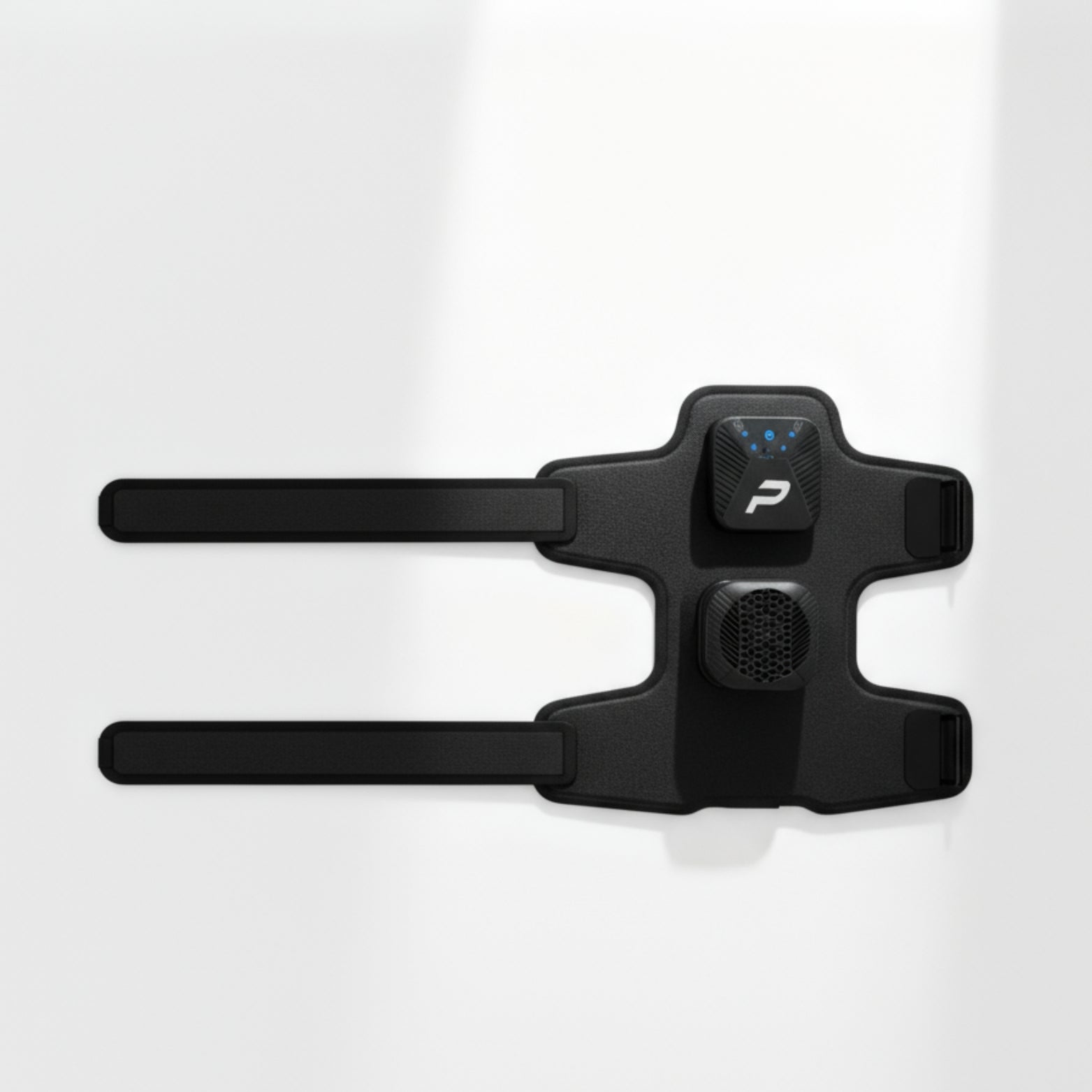

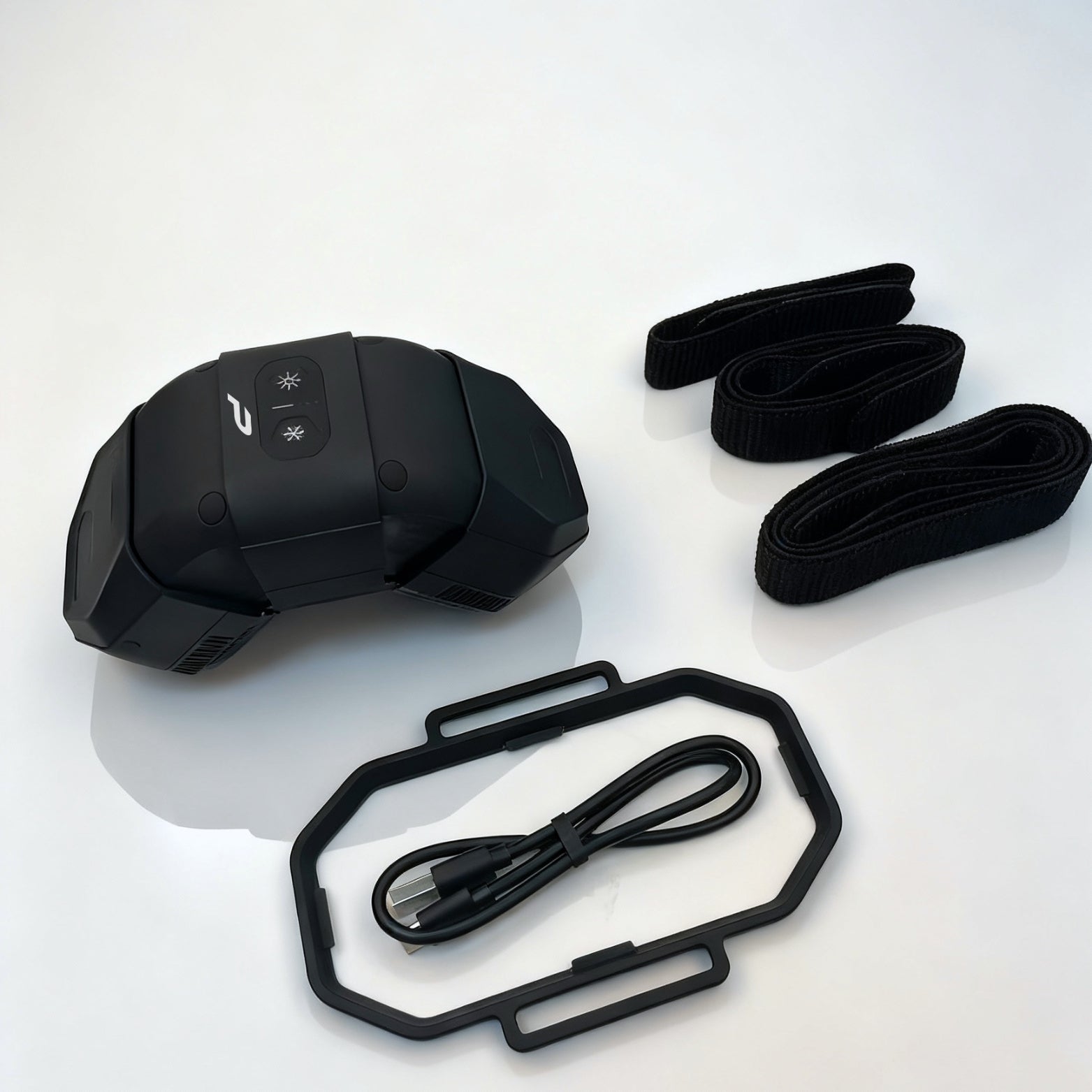


In sport, the line between peak performance and injury is often razor-thin. Coaches and athletes focus heavily on training intensity, yet one of the most overlooked areas of performance management is recovery quality. Among the growing range of recovery tools, compression boots have gained significant attention for their role in improving circulation, easing fatigue, and potentially reducing the risk of overuse injuries.
The link between fatigue and injury
Fatigue is one of the strongest predictors of sports-related injuries. Research published in the British Journal of Sports Medicine (2016) found that athletes were significantly more likely to sustain a soft-tissue injury when fatigued, largely due to reduced neuromuscular control and slower reaction times.
When muscles are fatigued, they lose elasticity and efficiency, leading to micro-strain and impaired coordination particularly in the lower body where most repetitive load occurs.
Where compression boots fit in
Compression therapy works by applying intermittent air pressure to the limbs, mimicking the natural contractions of muscles that move blood and lymphatic fluid back toward the heart. This process can:
-
Increase venous return and oxygen delivery to the muscles
-
Reduce swelling and residual inflammation after training
-
Accelerate clearance of metabolic by-products like lactate
-
Support quicker muscle recovery between sessions
A 2022 systematic review in Frontiers in Physiology found that intermittent pneumatic compression (IPC) had measurable effects on reducing perceived muscle soreness and improving comfort levels post-exercise. While not a substitute for rest, these benefits can help maintain muscle quality and readiness across back-to-back training days.
Improved circulation, reduced stiffness
Consistent use of compression boots may also help with vascular health, particularly in the lower extremities where circulation can stagnate after long bouts of exercise or travel.
Better blood flow supports muscle pliability and joint range of motion, reducing the chance of stiffness or imbalance two key precursors to minor strains and niggling injuries.
A 2018 study in the Journal of Applied Physiology highlighted how enhancing venous return through dynamic compression reduces endothelial stress and improves overall recovery kinetics. In simple terms: it helps your legs feel “fresher” and more responsive.
A proactive approach to recovery
Most injury prevention frameworks emphasise three pillars: load management, mobility, and recovery. Compression boots fit squarely in the recovery category, offering a passive yet effective way to support the body between high-intensity efforts.
For schools, clubs, and home users, that means fewer players missing sessions due to soreness and more consistent performance week after week.
The takeaway
Compression boots aren’t a cure-all for injury prevention, no recovery method is. But by supporting circulation, reducing muscle stiffness, and maintaining lower-limb readiness, they can play a valuable role in helping athletes train smarter and avoid preventable breakdowns.
In a sporting world where consistency is everything, that’s a competitive advantage worth investing in.