
























Choosing the Right Sauna for Your Lifestyle
Whether you’re a high-performance athlete, a wellness enthusiast, or a family seeking relaxation, understanding the difference between infrared and traditional saunas helps you make the right choice for your body, your space, and your goals. Both offer powerful benefits, but they work in very different ways.
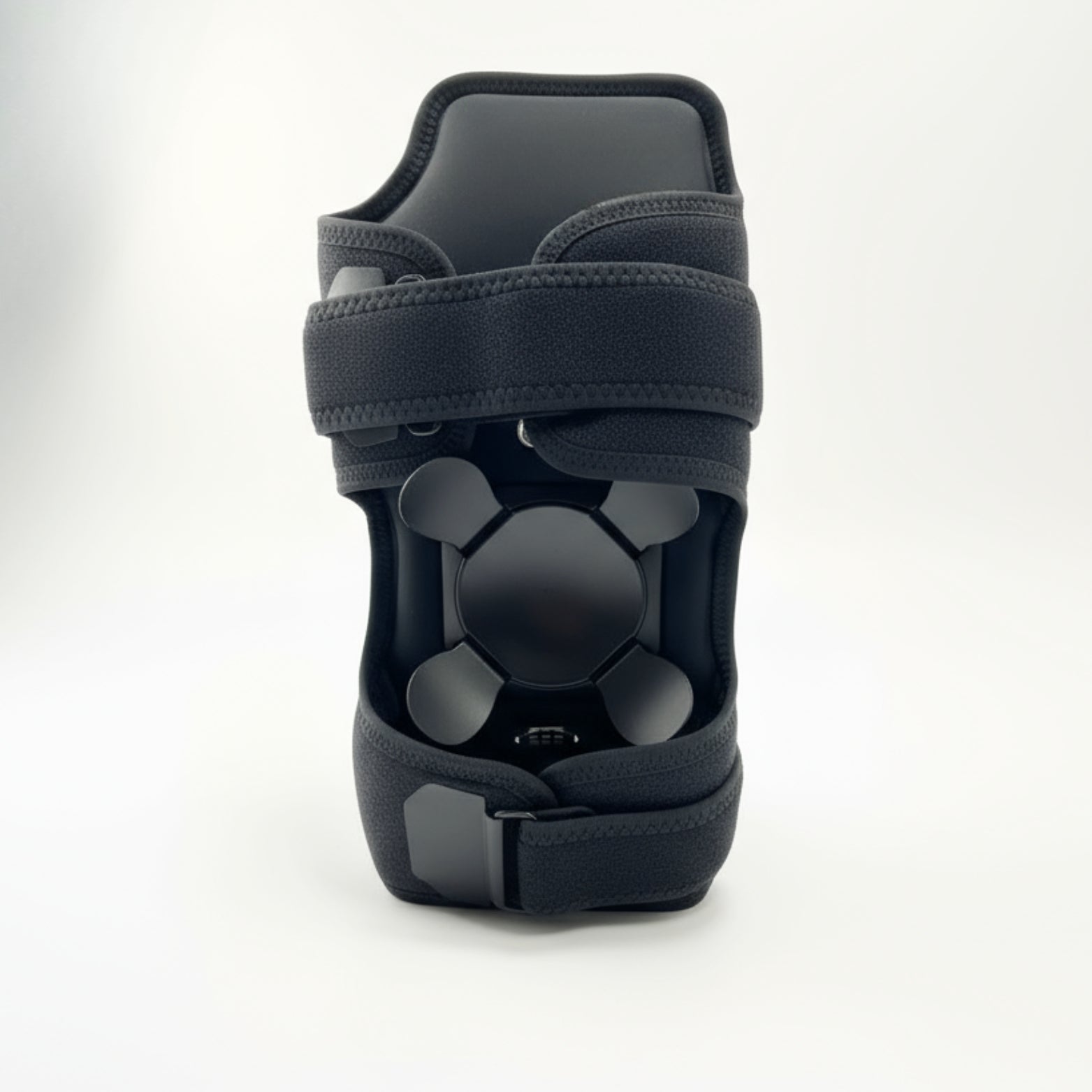
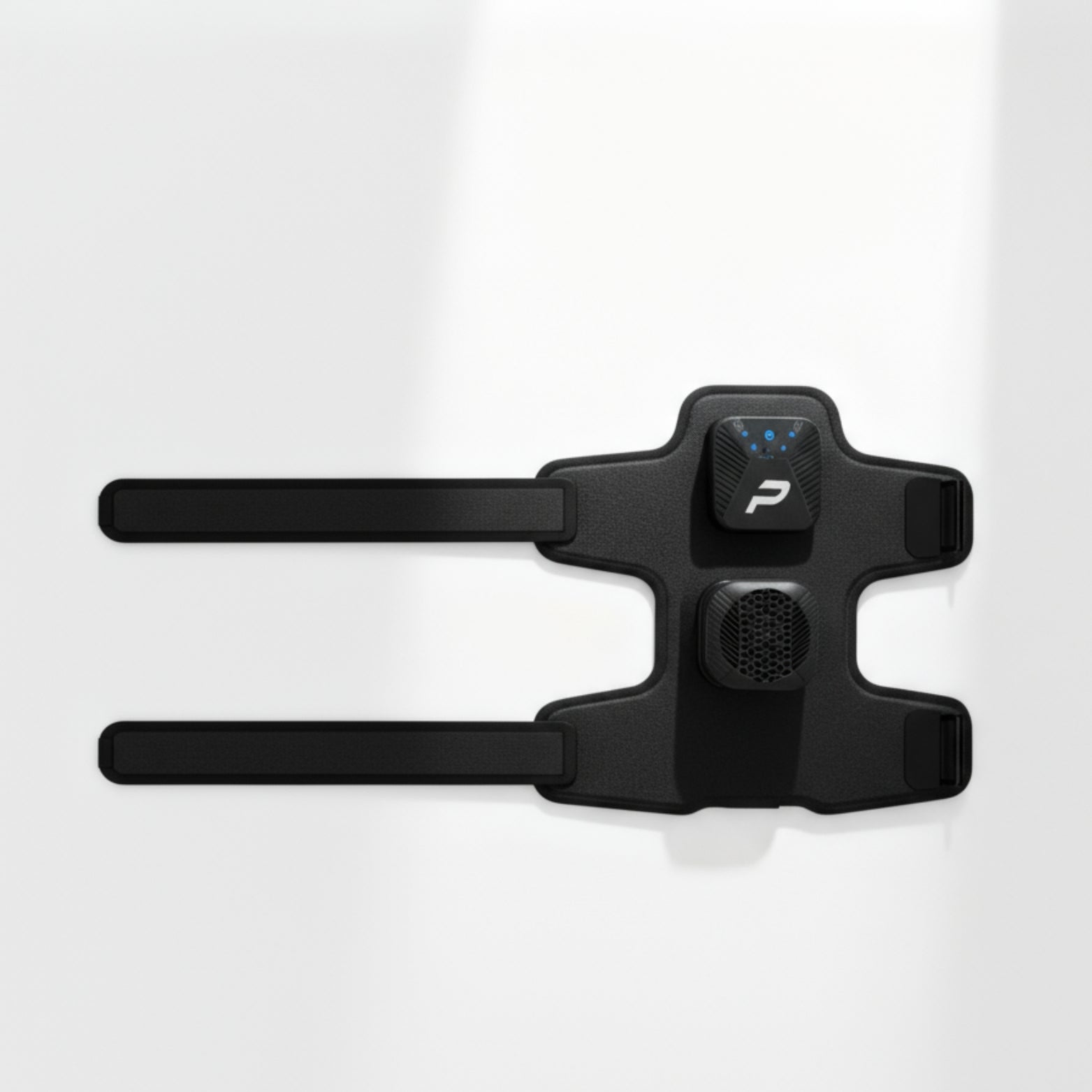
Infrared Saunas: Deep Recovery Through Light
Infrared saunas use light wavelengths to heat your body directly rather than warming the air around you. This means they operate at a lower temperature, usually between 45 °C and 60 °C, while still penetrating deeply into muscles, joints, and tissues. The result is a gentle yet effective heat that promotes recovery and relaxation without overwhelming the body.
Infrared therapy is often used by athletes and wellness professionals for its ability to enhance circulation, support muscle recovery, and reduce inflammation. The soothing heat encourages sweating and detoxification at a cellular level, which may help with skin health and stress reduction.
They’re also energy efficient, quick to warm up, and simple to install, making them ideal for modern homes and recovery studios. Because they don’t require plumbing or ventilation like traditional saunas, they can fit easily into spare rooms, home gyms, or wellness areas.
Best For: Daily use, athletes, wellness recovery spaces
Benefits: Gentle heat, improved circulation, pain relief, enhanced sleep quality, reduced inflammation
Where to Use: Indoors or in outdoor spaces
Traditional Saunas: The Classic High-Heat Experience
Traditional saunas use a heater or stove to warm the air, creating a powerful, sweat-inducing environment. The intense heat opens pores, increases heart rate, and encourages deep sweating, which helps flush out toxins and supports overall cardiovascular health.
Many sauna enthusiasts love the ritual and sensory experience that comes with traditional setups, the feel of steam, the sound of water hitting hot stones, and the steady build-up of heat. This type of sauna encourages mindfulness and deep relaxation while supporting respiratory and circulatory function.
Traditional saunas tend to require more space and ventilation, making them best suited for outdoor areas or purpose-built sauna rooms.
Best For: Those who enjoy high heat and traditional steam rituals
Benefits: Detoxification, cardiovascular support, improved respiratory health, mental clarity, deep relaxation
Where to Use: Outdoor spaces or dedicated sauna rooms
Final Thoughts
Your sauna should be more than just a source of heat, it should be an essential part of your wellbeing routine. Infrared saunas offer gentle, consistent recovery for everyday use, while traditional saunas provide an authentic, high-heat experience steeped in heritage and ritual.
Outdoor models can add another layer to the experience, helping you connect with nature and unwind in peace.
Whichever style you choose, every Premier Sports Equipment sauna is crafted to deliver what all high-performing individuals need most, time to restore, recover, and recharge.


