







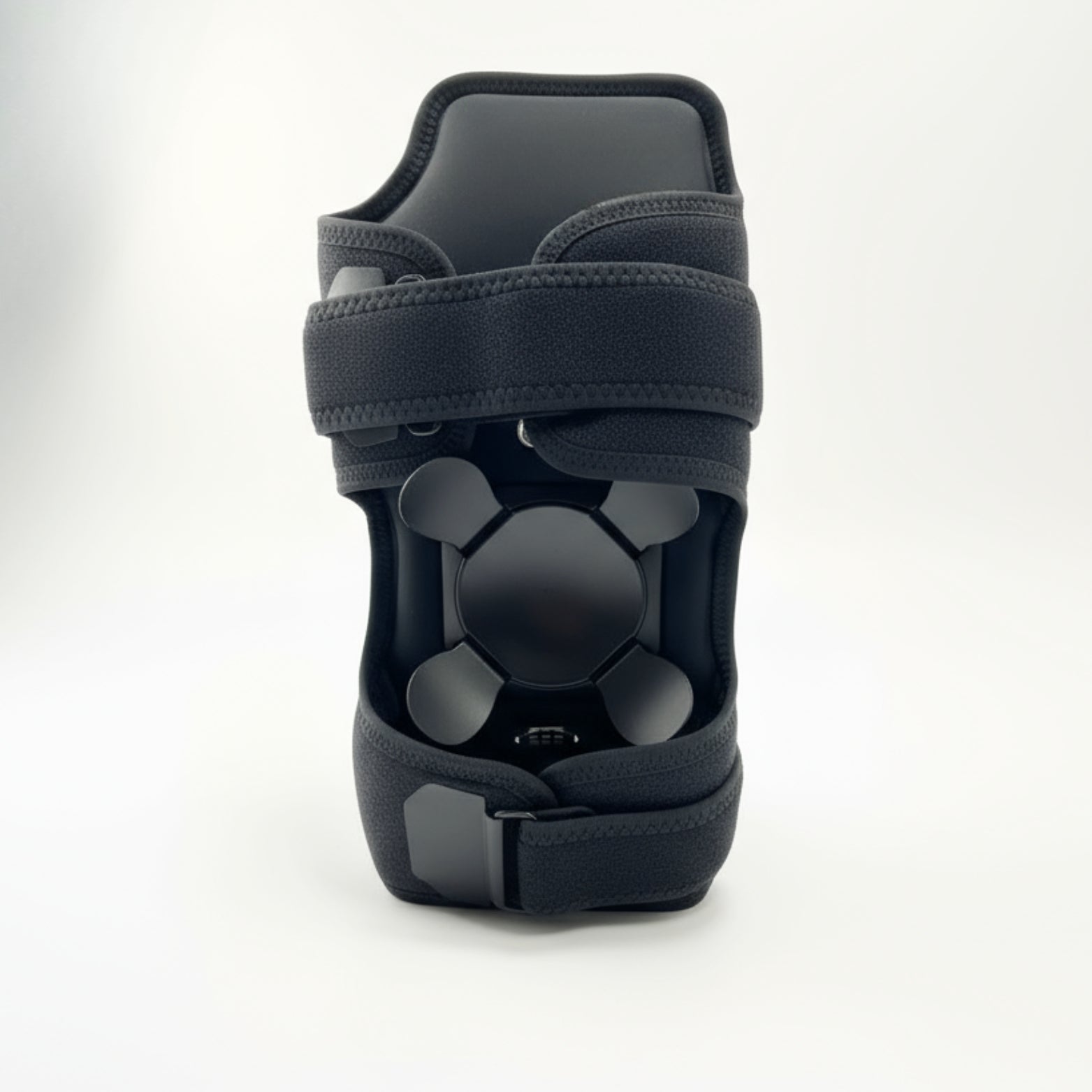
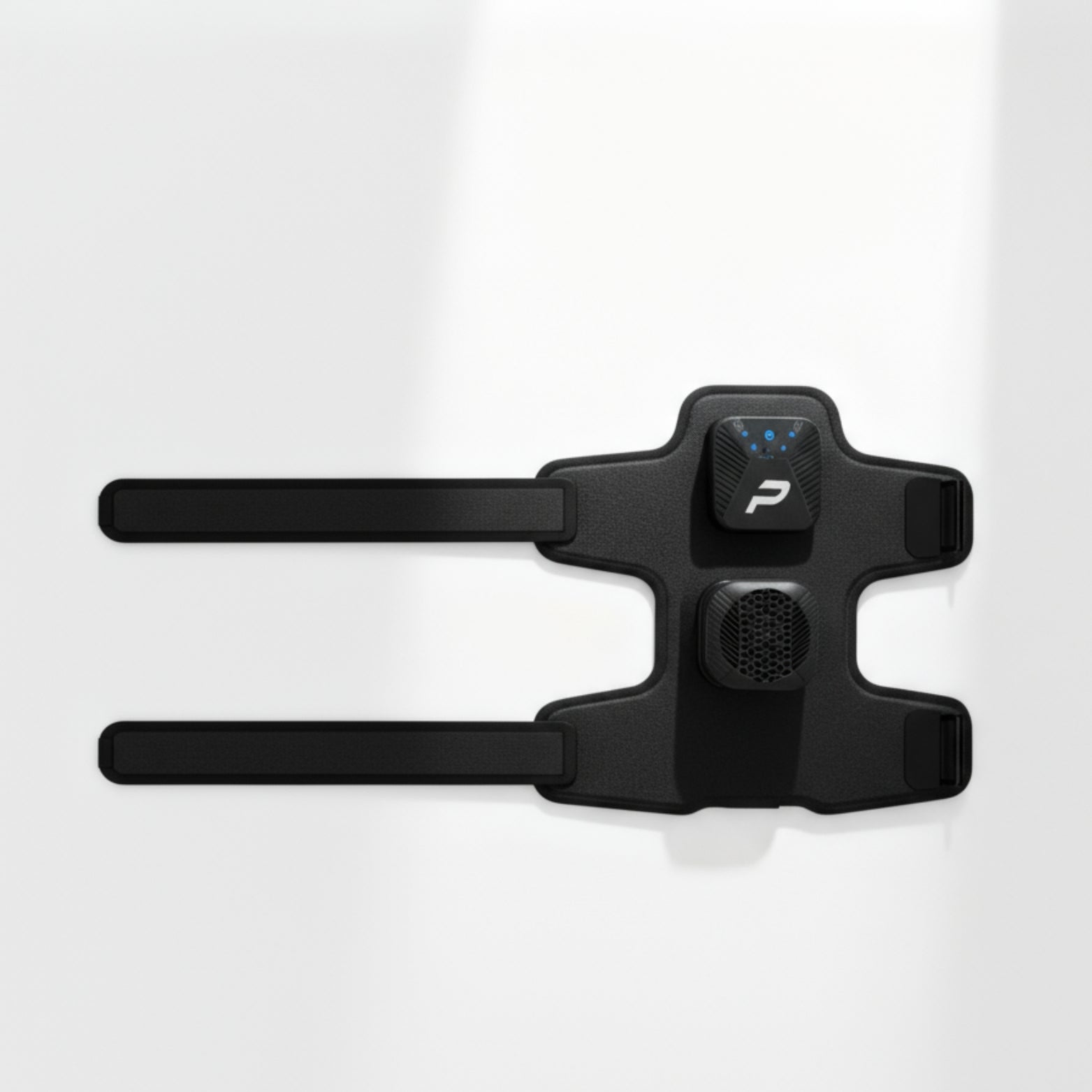
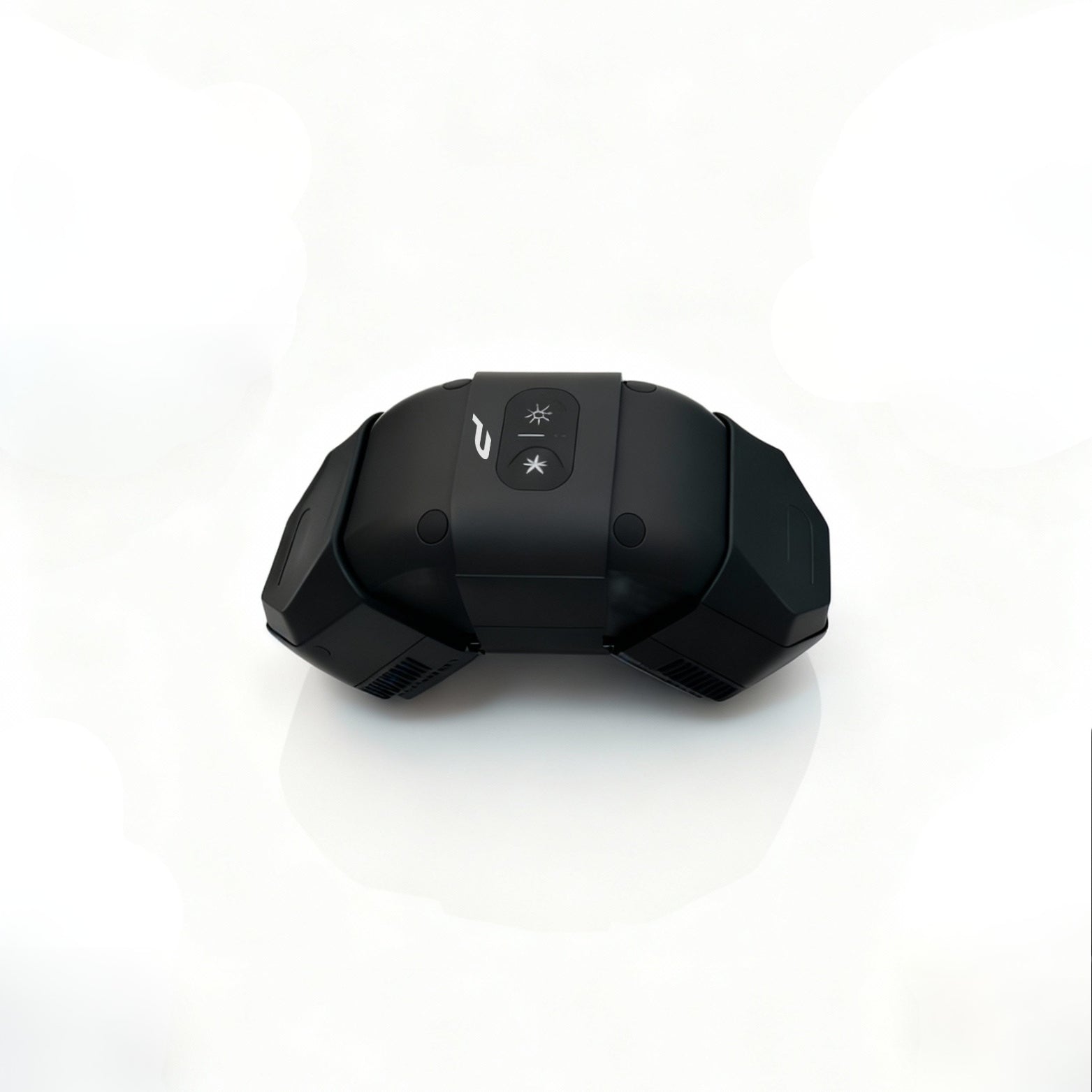
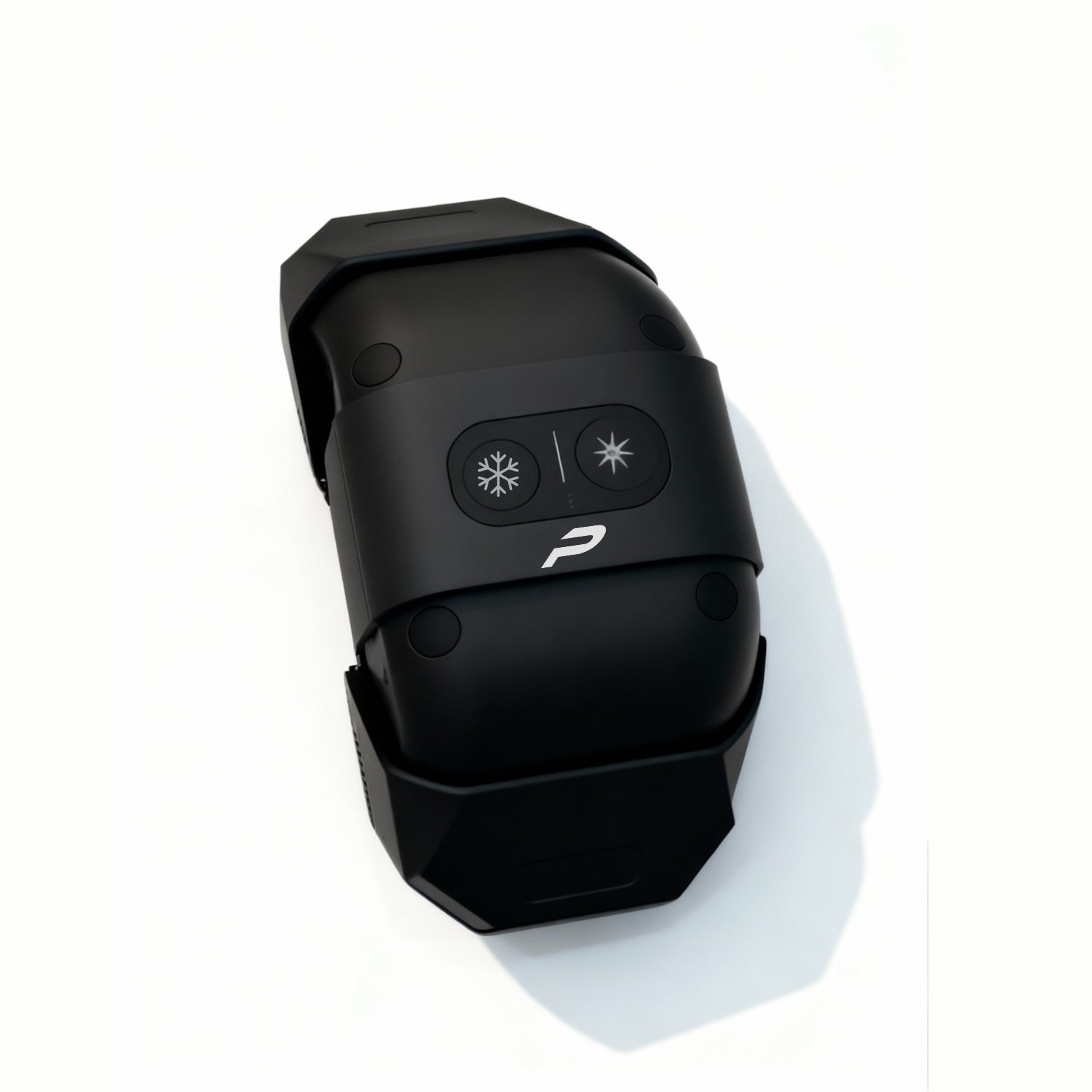
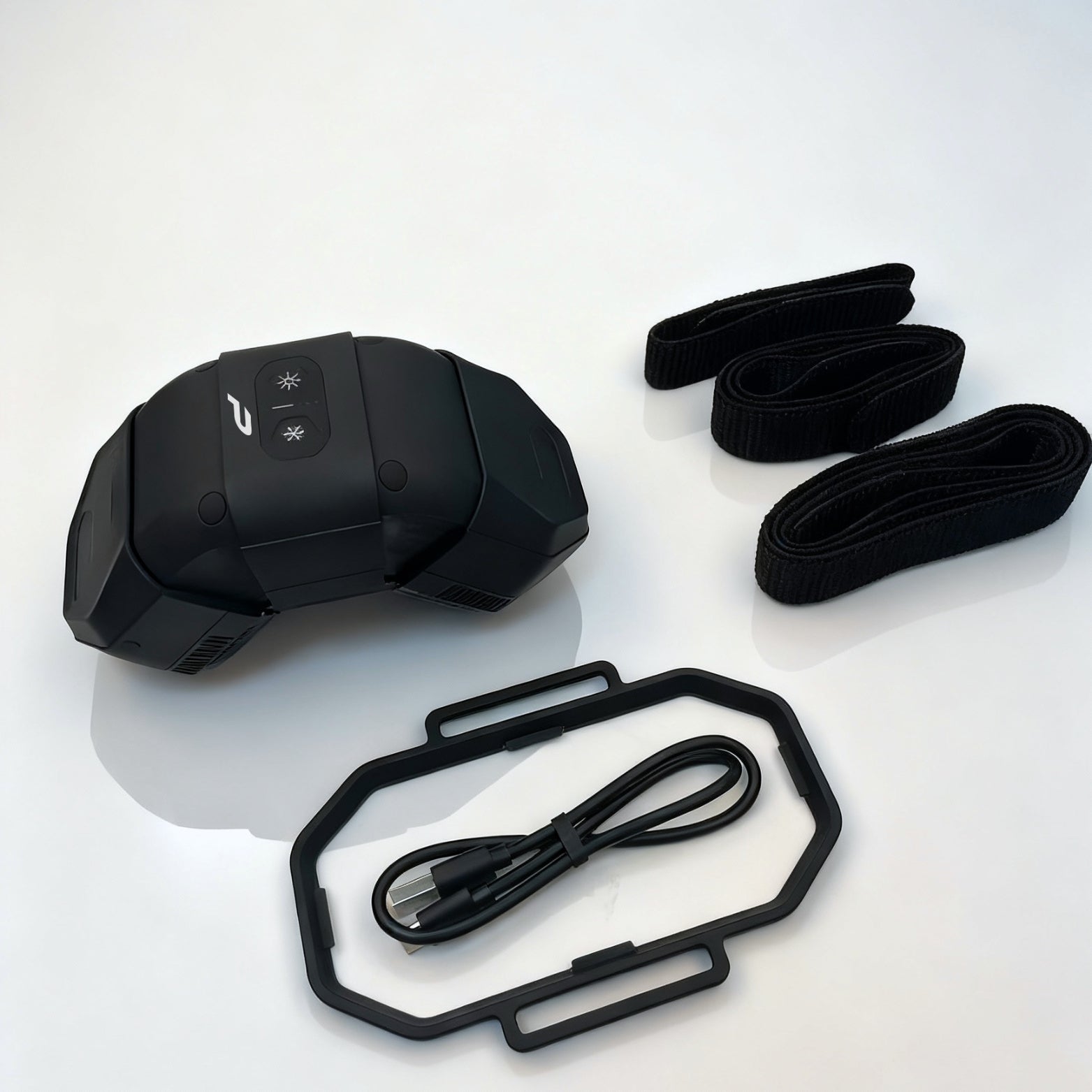


Infrared therapy has moved from luxury spas into sports science labs and home recovery rooms across New Zealand and for good reason. Behind the warm glow of those red lights lies a growing body of evidence showing how specific light wavelengths can enhance recovery, reduce soreness, and improve overall muscle performance.
How Infrared Therapy Works
Infrared (IR) light sits just beyond the visible spectrum, divided into near-infrared (NIR) and far-infrared (FIR) wavelengths. Unlike traditional heat therapy that warms the skin’s surface, infrared light penetrates deeper reaching muscles, joints, and connective tissue.
Once absorbed, it stimulates cellular energy production through a process known as photobiomodulation. This means it helps mitochondria (the cell’s energy centres) produce more ATP, the molecule responsible for powering muscle repair and regeneration.
Studies published in the Journal of Photochemistry and Photobiology and Frontiers in Physiology show that IR therapy improves microcirculation, increases tissue oxygenation, and reduces oxidative stress, all key factors in speeding up recovery.
Both forms promote recovery, but NIR is especially valuable for athletes needing muscle-targeted recovery after intense sessions.
The Proven Benefits for Recovery
-
Reduced Muscle Fatigue and Soreness – FIR exposure has been shown to lower post-training soreness and reduce markers of muscle damage like creatine kinase.
-
Enhanced Blood Flow – Improved circulation helps remove metabolic waste and bring in oxygen and nutrients faster.
-
Faster Tissue Repair – By stimulating cell metabolism, infrared therapy aids repair at the cellular level
-
Better Flexibility and Comfort – Regular use supports looser, more responsive muscles.
-
Overall Relaxation – The soothing warmth reduces nervous system stress, supporting recovery on both physical and mental levels.
Real-World Use for Athletes and Home Users
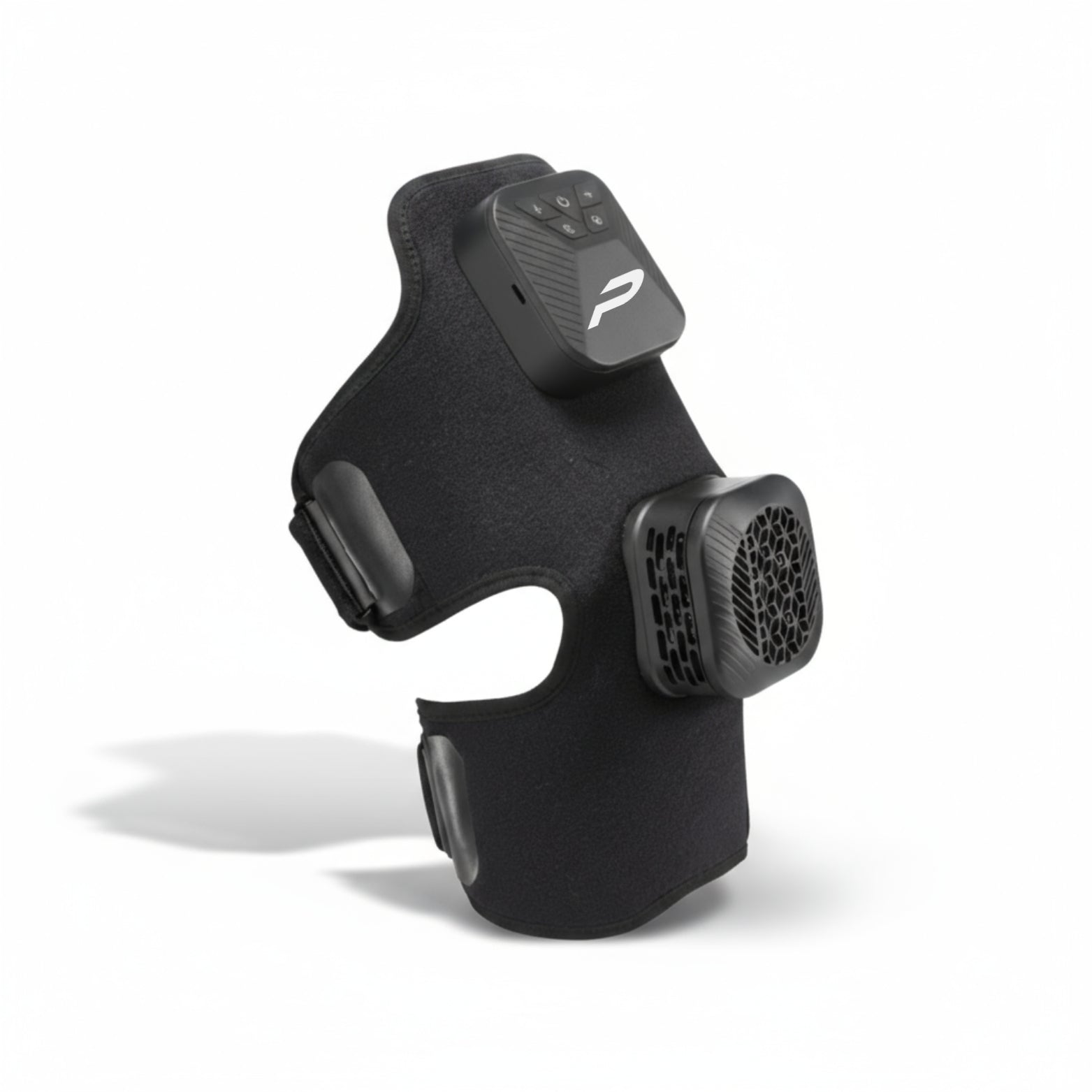
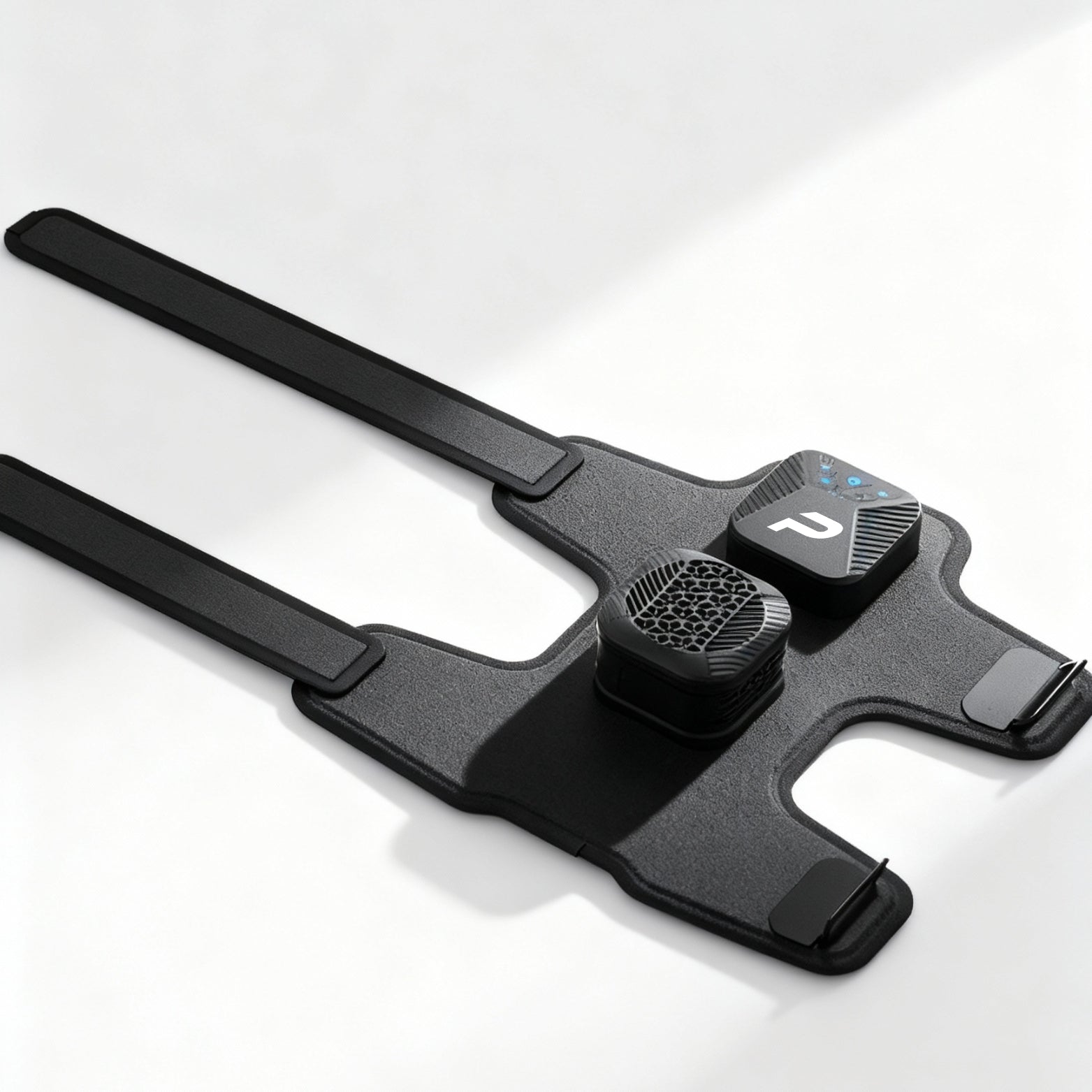
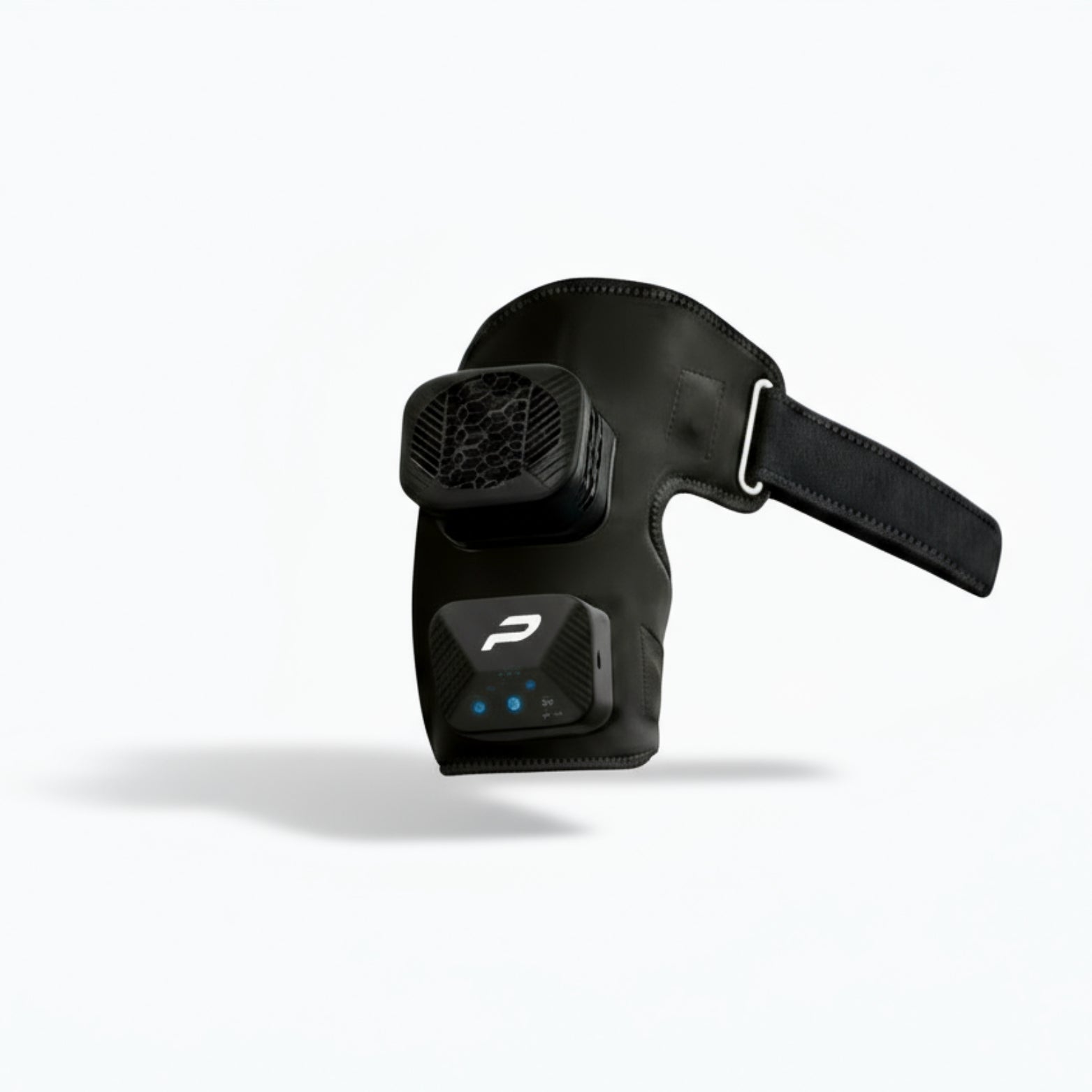
Infrared therapy fits easily into any routine. Athletes can use it post-workout to accelerate muscle recovery, while home users can apply it for general relaxation or chronic stiffness. Most sessions last between 15–20 minutes per area, either as a standalone treatment or alongside compression or contrast therapy.
For clubs or schools, investing in IR wearables ensures players can recover safely and consistently throughout the season, even when professional physiotherapy isn’t always available.
Final Thoughts
Infrared therapy isn’t a gimmick. It’s grounded in decades of clinical research and has earned its place as a legitimate recovery technology. While it’s not a miracle cure, when used consistently alongside hydration, stretching, and sleep, it helps athletes and everyday users recover faster, move better, and feel more balanced.

