







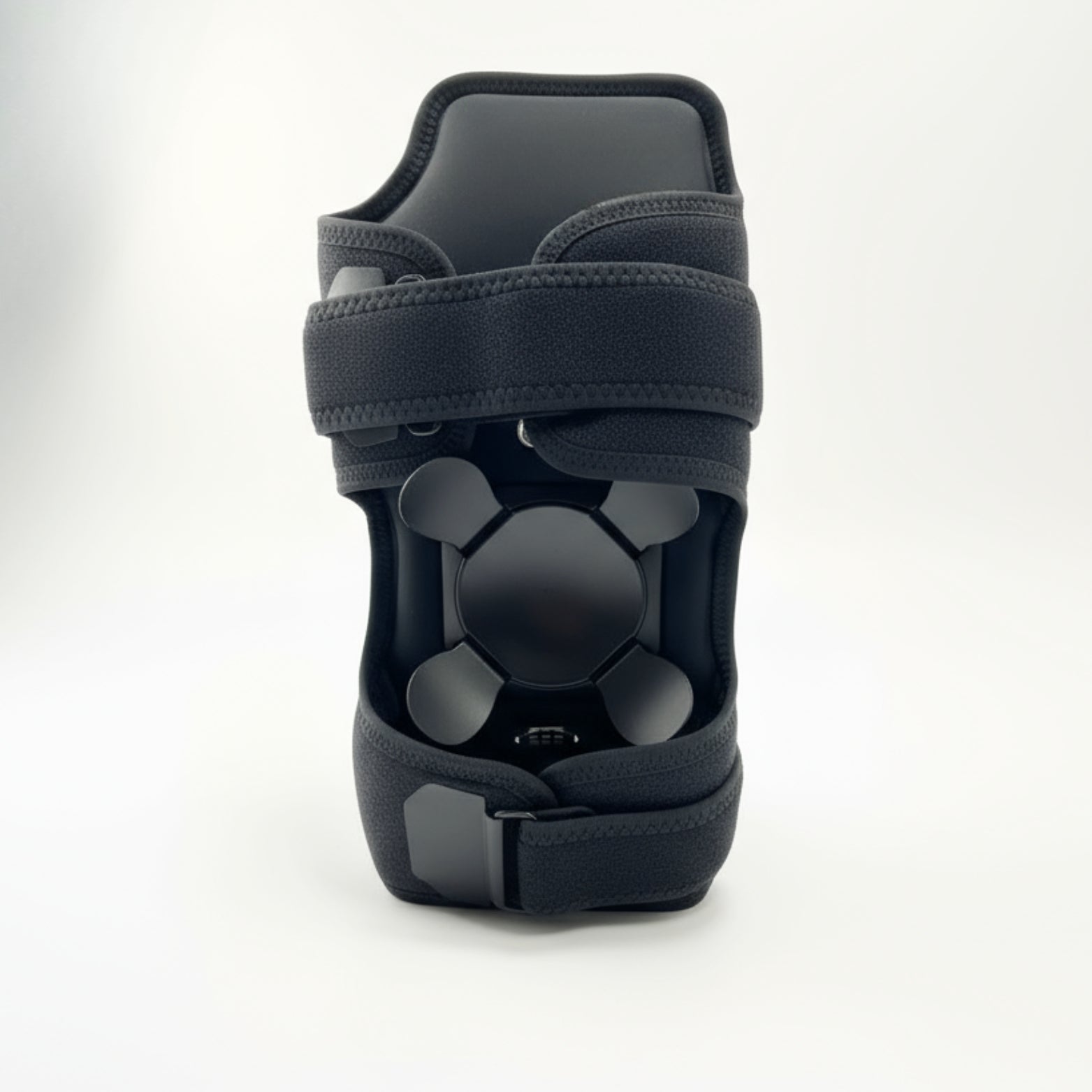
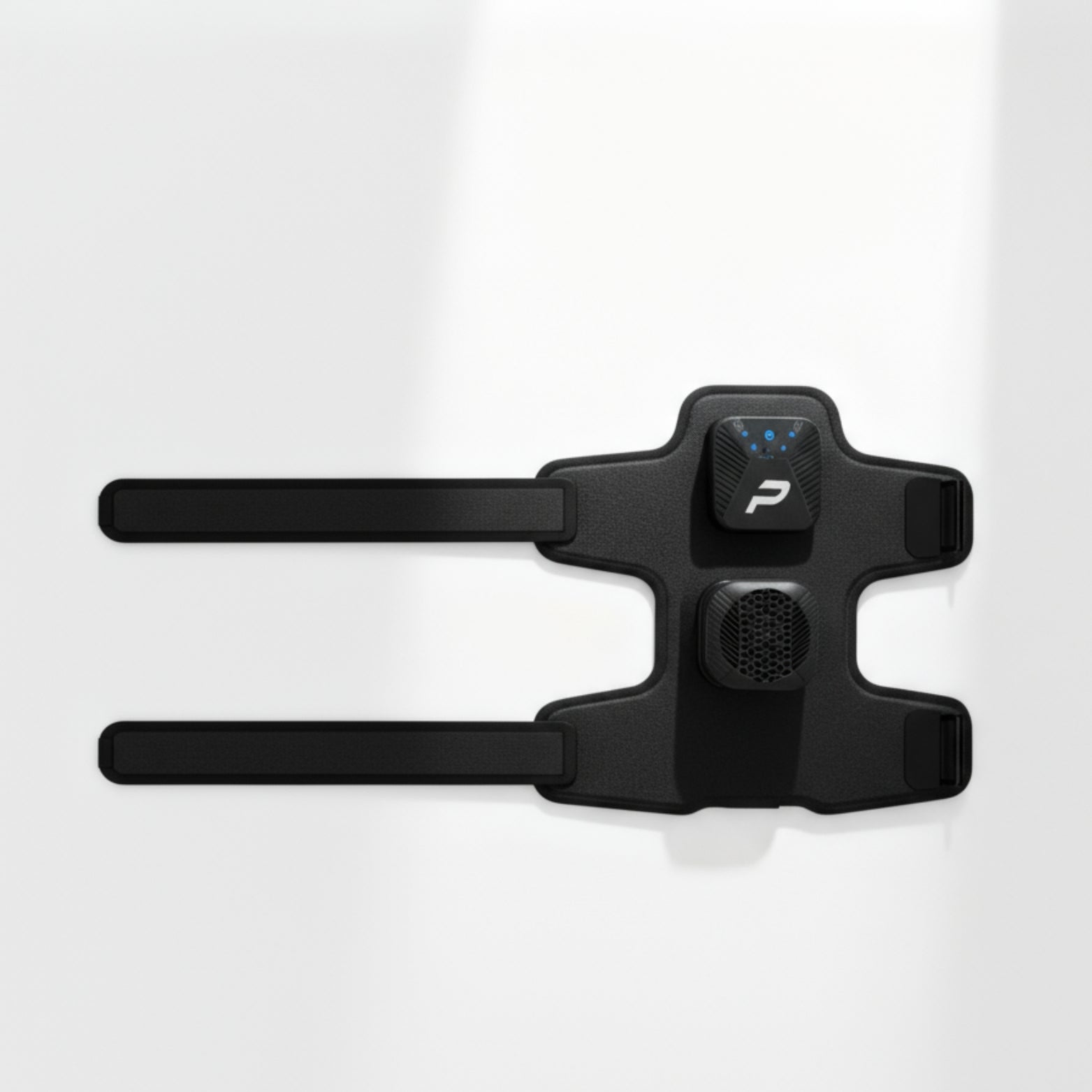
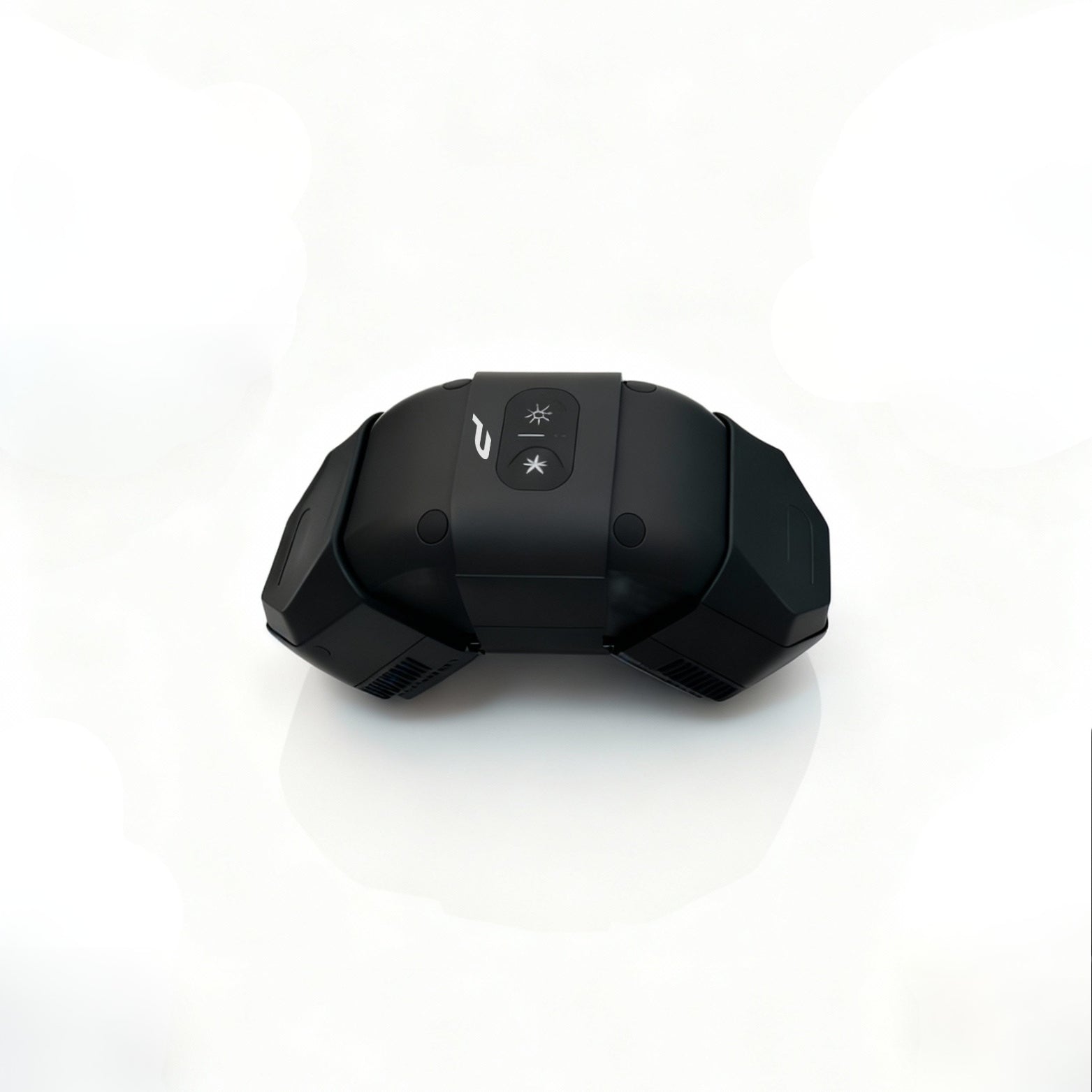

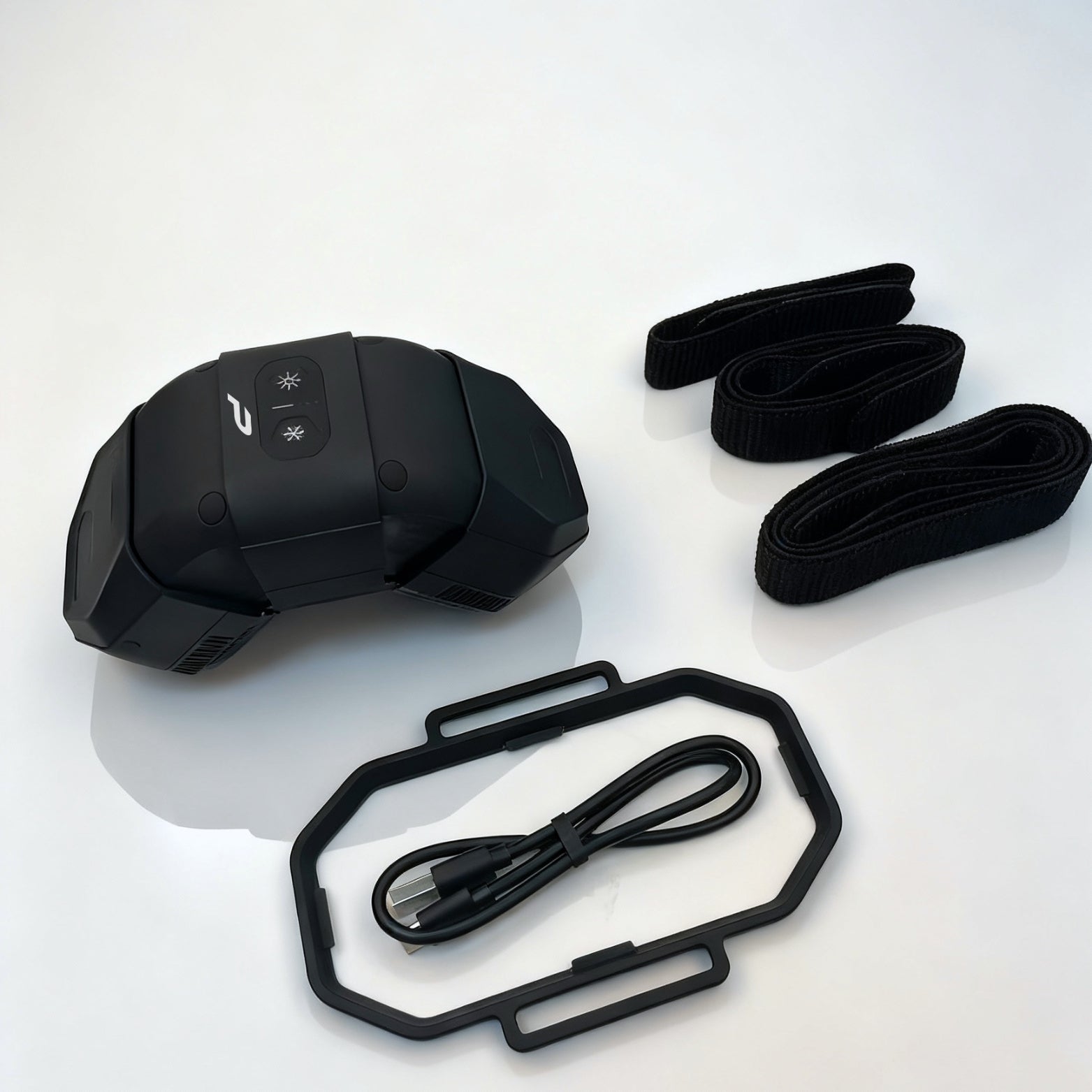


Recovery science has evolved far beyond the days of ice packs and towels. Today’s athletes are adopting evidence-based recovery protocols to enhance performance and reduce downtime between sessions. One of the most effective methods gaining traction across elite and recreational sport is contrast therapy—the practice of alternating between hot and cold exposure to accelerate muscle recovery, reduce inflammation, and optimise circulation.
How It Works
Cold exposure, also known as cryotherapy, causes the blood vessels to constrict. This limits blood flow to inflamed tissues, helping to reduce swelling and prevent micro-damage from spreading. When heat is applied immediately afterwards, blood vessels expand again, allowing oxygen-rich blood to flood back into the muscle tissue. This alternating process acts as a natural “pump” for the circulatory system, helping the body remove metabolic waste products such as lactic acid more efficiently.
A 2021 meta-analysis published in Frontiers in Physiology reported that contrast therapy significantly reduced post-exercise muscle soreness and improved recovery of muscle function compared with passive rest. By enhancing recovery kinetics in simpler terms, how quickly the muscles rebound the treatment supports faster return to peak training intensity.
Further evidence from the Journal of Strength and Conditioning Research highlights that contrast water therapy can also improve perceived recovery and reduce delayed-onset muscle soreness (DOMS) by up to 20–30 per cent in athletes training at high intensity.
Why Athletes Swear by It
Contrast therapy has become a cornerstone in many professional recovery protocols due to its broad physiological benefits, including:
-
Reduced muscle soreness following intense training or competition
-
Improved circulation and tissue repair, promoting faster healing of microtears
-
Enhanced muscle relaxation and flexibility, helping maintain range of motion
-
Support for immune and metabolic function, aiding overall resilience and energy balance
The Competitive Edge
For athletes who train multiple times each week or even multiple times per day recovery is as critical as training itself. The ability to bounce back faster means higher-quality sessions, fewer injuries, and more consistent performance over time. Contrast therapy offers a measurable advantage by accelerating recovery without the need for pharmaceutical intervention or prolonged rest.
Incorporating contrast therapy into a well-structured recovery routine can complement other modalities such as massage, compression, and proper nutrition. Many high-performance facilities and sports medicine professionals in New Zealand are integrating contrast therapy systems into their recovery suites, recognising its role in maintaining athlete wellbeing and longevity.
The Bottom Line
Contrast therapy is a scientifically supported, practical recovery tool that bridges the gap between traditional methods and modern sports science. Whether you are an elite competitor or a weekend warrior, leveraging the power of hot and cold exposure can help your body recover smarter, not just harder.

