





Every coach knows that performance is only half the battle. The real challenge is keeping athletes healthy, consistent, and available throughout a demanding season. Whether you’re managing a high school basketball team, a local rugby club, or an elite academy, maintaining player readiness comes down to one crucial factor: recovery.
In recent years, percussion therapy has quietly become a secret weapon for teams looking to stay ahead. It’s simple, safe, and scientifically backed and it’s transforming how athletes manage fatigue, soreness, and mobility from week to week.
Why Recovery Consistency Wins Seasons
Injury prevention isn’t just about strength training, it's about managing cumulative fatigue.
A 2021 review in Frontiers in Sports and Active Living found that consistent recovery habits significantly reduce the risk of soft-tissue injuries over long competitive periods. Players who recover well train more often, and athletes who train consistently perform better.
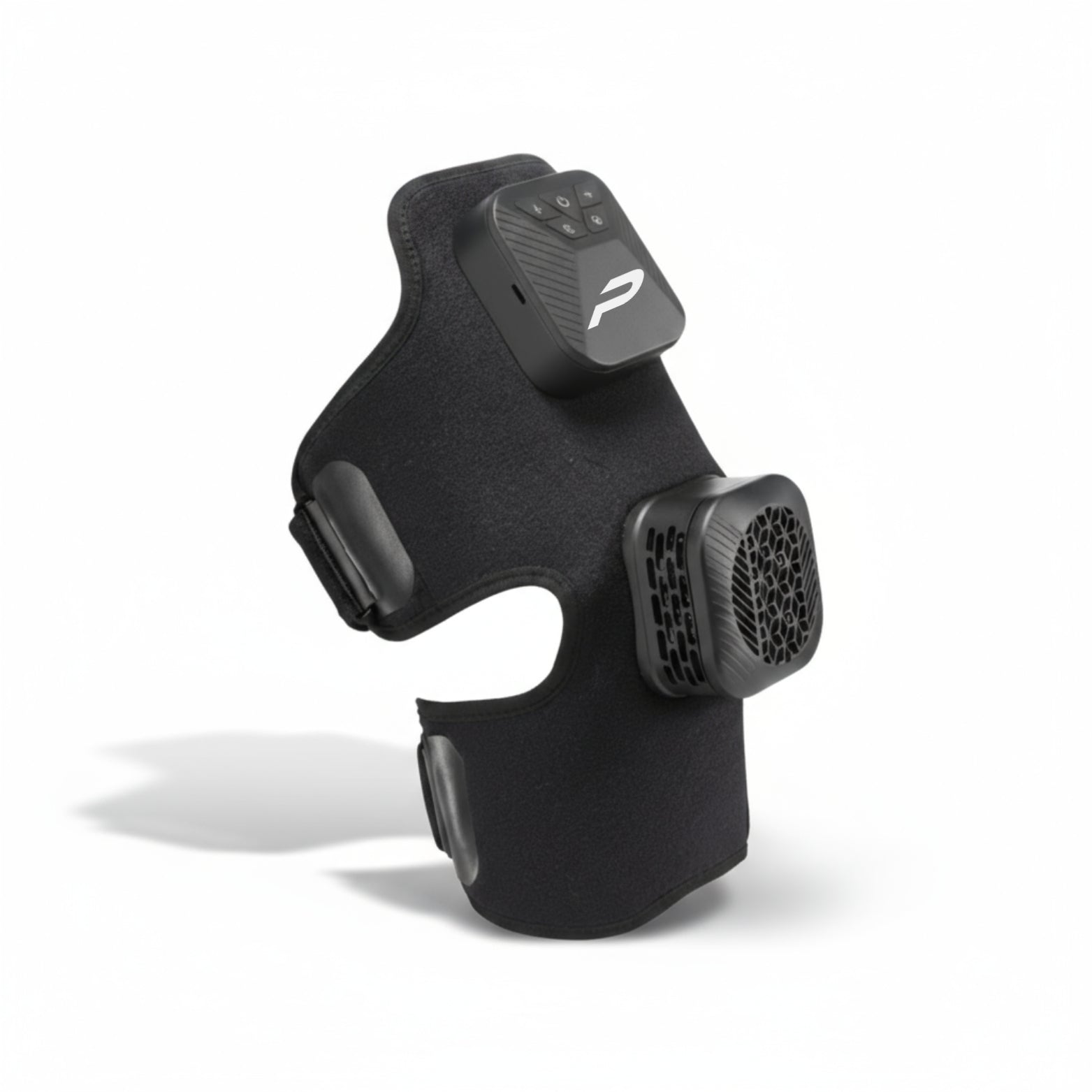
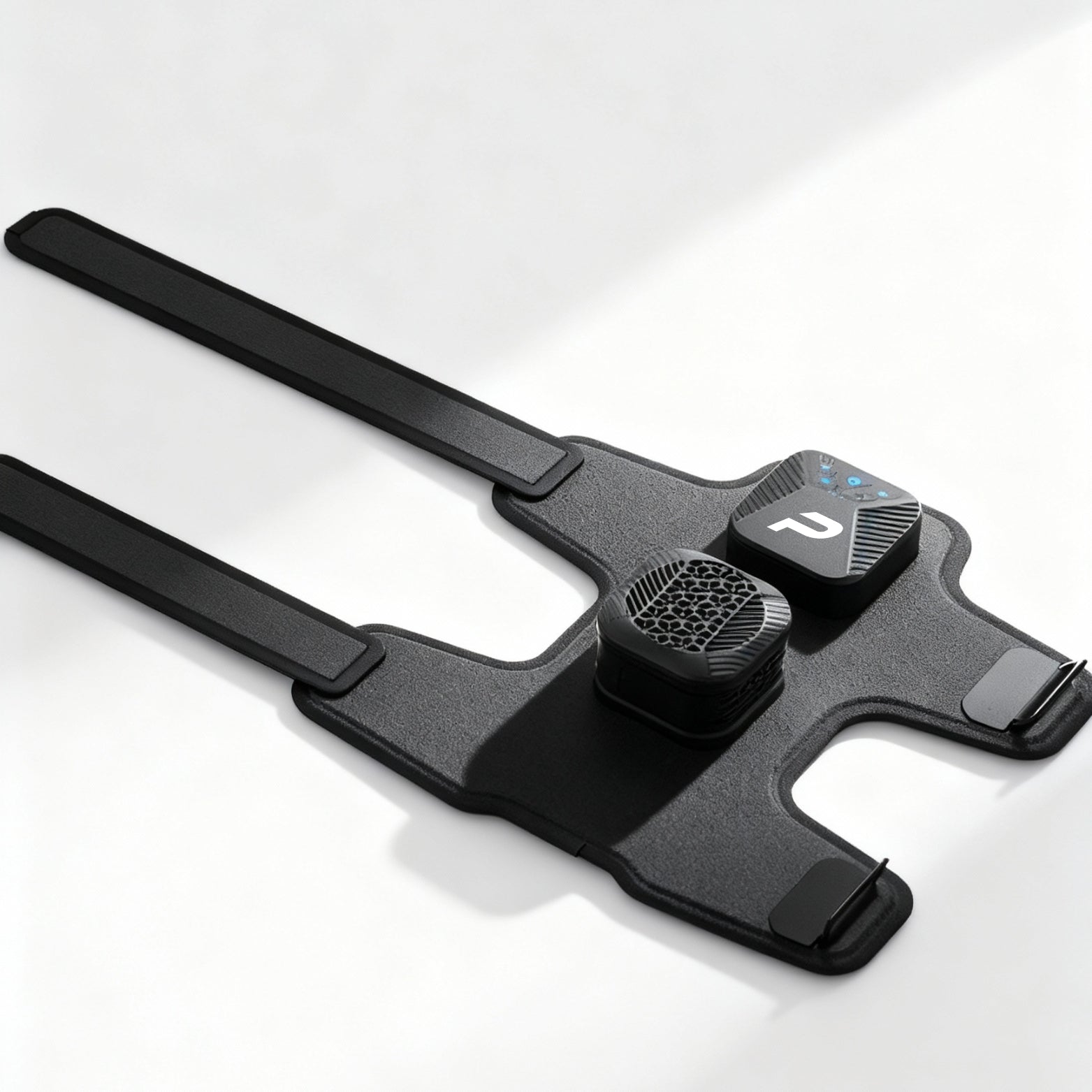
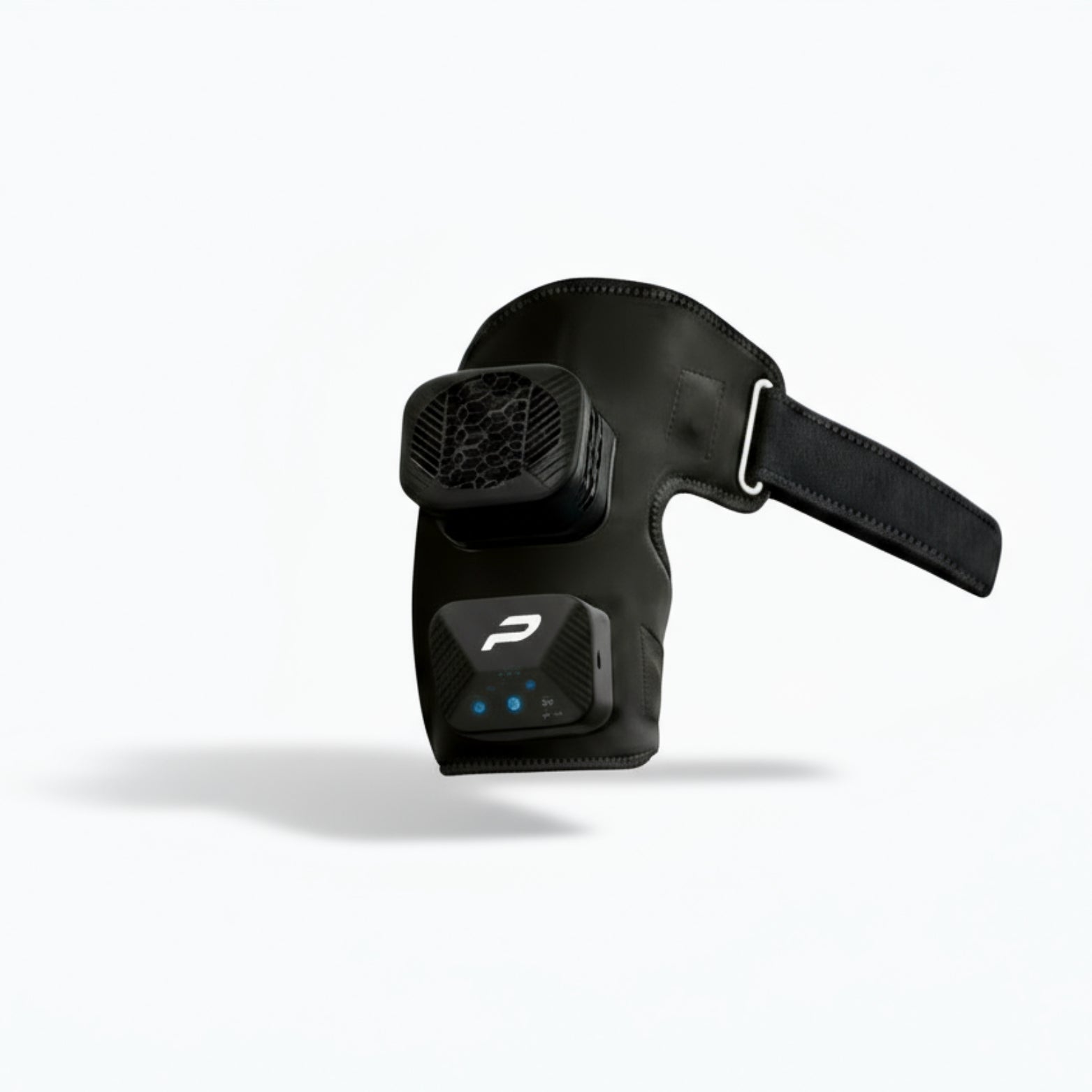
That’s where percussion therapy helps. Massage guns use targeted mechanical pulses to stimulate muscle fibres, promote circulation, and accelerate recovery between sessions. They offer the benefits of deep-tissue massage but with portability, speed, and convenience that suit team environments.
How Coaches Are Integrating Percussion Therapy
Top-tier sports programmes around the world are now building percussion therapy into their routines, not as a luxury, but as part of everyday care. For schools and clubs in New Zealand, this approach is both affordable and practical. Here’s how many teams are using it:
-
Pre-training activation:
Athletes use percussion guns for 30–60 seconds on major muscle groups to increase blood flow and muscle temperature before warm-ups.
This prepares the body for movement and reduces the risk of early-session strains. -
Post-session recovery:
After intense training or games, percussion therapy helps reduce muscle tension and promotes faster clearance of metabolic waste.
Short sessions of one to two minutes per muscle group can make a noticeable difference in soreness the next day. -
Tournament management:
Multi-day events push athletes to their limits. Portable massage guns let coaches implement quick recovery between matches — ideal for reducing stiffness and fatigue during condensed schedules.
Why It Works in Team Settings
Percussion therapy doesn’t require supervision, so players can take ownership of their recovery. That’s powerful in group environments where resources are limited and physio staff can’t reach everyone at once.
Instead of waiting for treatment, athletes can manage their recovery immediately before tightness turns into restriction or discomfort turns into strain. For coaches, that translates to fewer missed sessions, less time lost to soreness, and better overall player availability.
Even a few minutes of percussion work can enhance flexibility and muscle responsiveness. For field and court sports, where repetitive movement patterns dominate, that flexibility helps maintain fluid, natural mechanics late into the season.
Practical Tips for Clubs and Schools
-
Equip your gym or locker room with a few high-quality percussion devices.
-
Educate players on safe use, gentle pressure, never over joints or bones.
-
Integrate percussion therapy into existing warm-up and cool-down routines.
-
Encourage short, frequent sessions rather than sporadic long ones.
Clubs that embed recovery into their culture, not just as a “bonus” but as part of trainings see the best results. Over time, those extra few minutes of recovery add up to fewer injuries, greater player consistency, and more resilient teams.
