








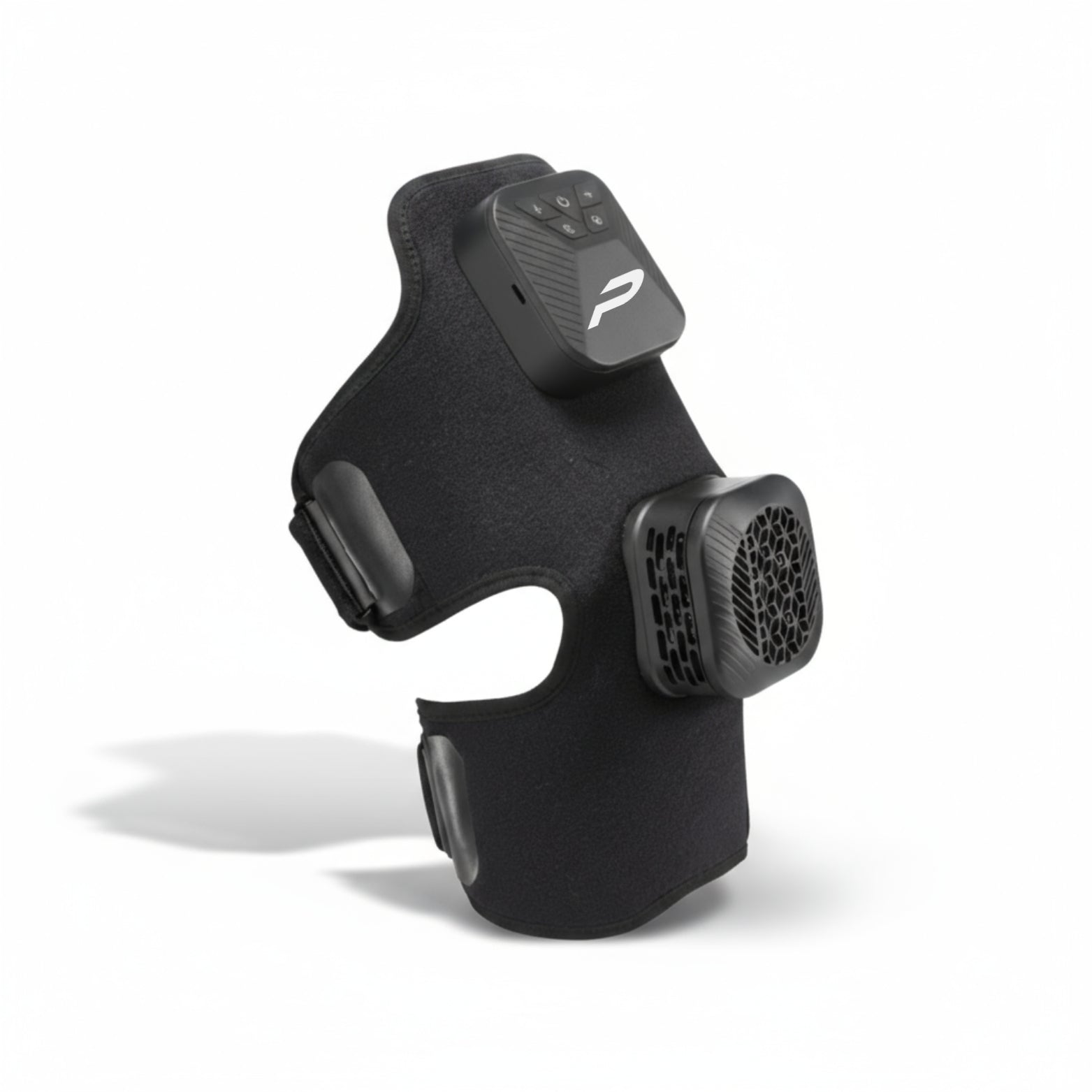
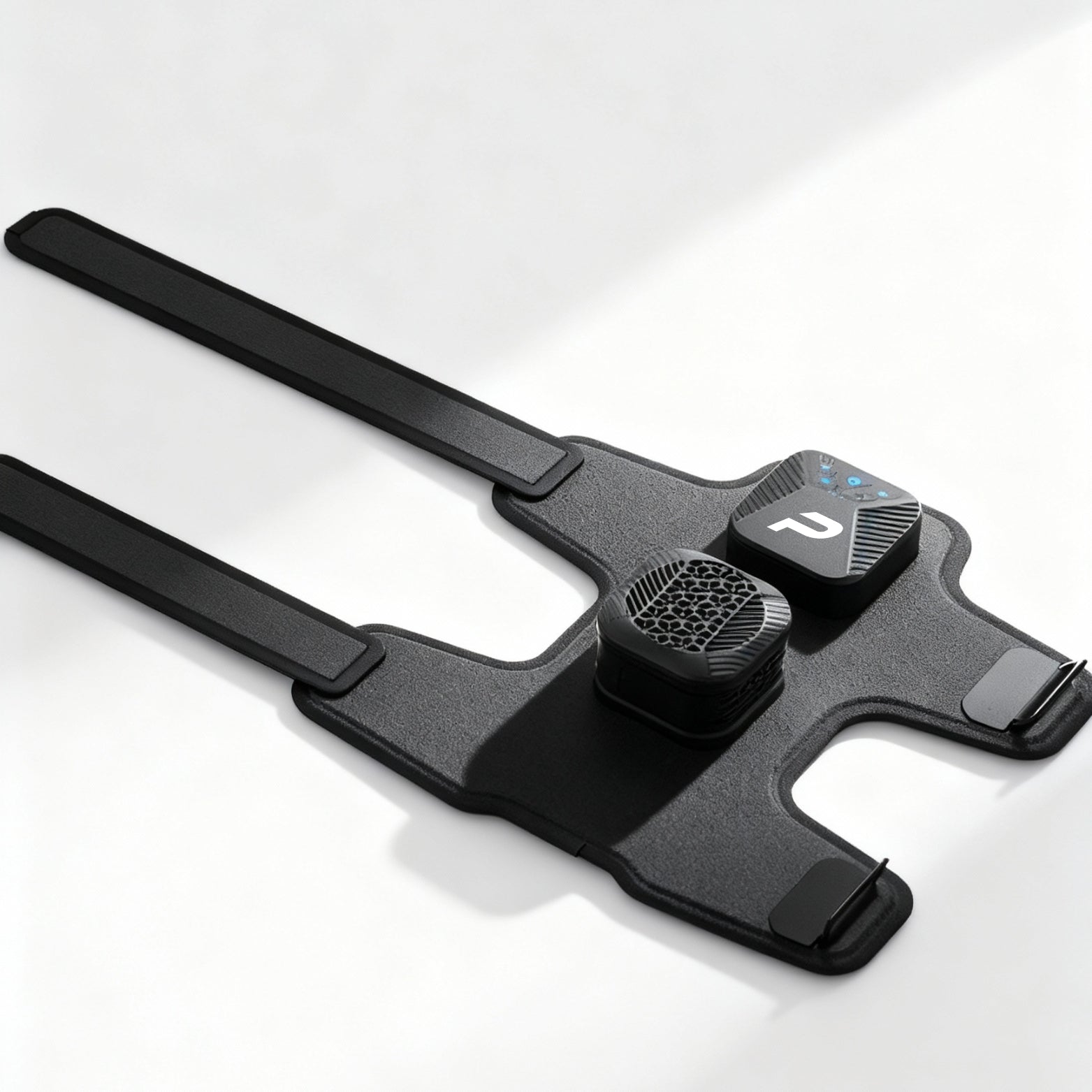
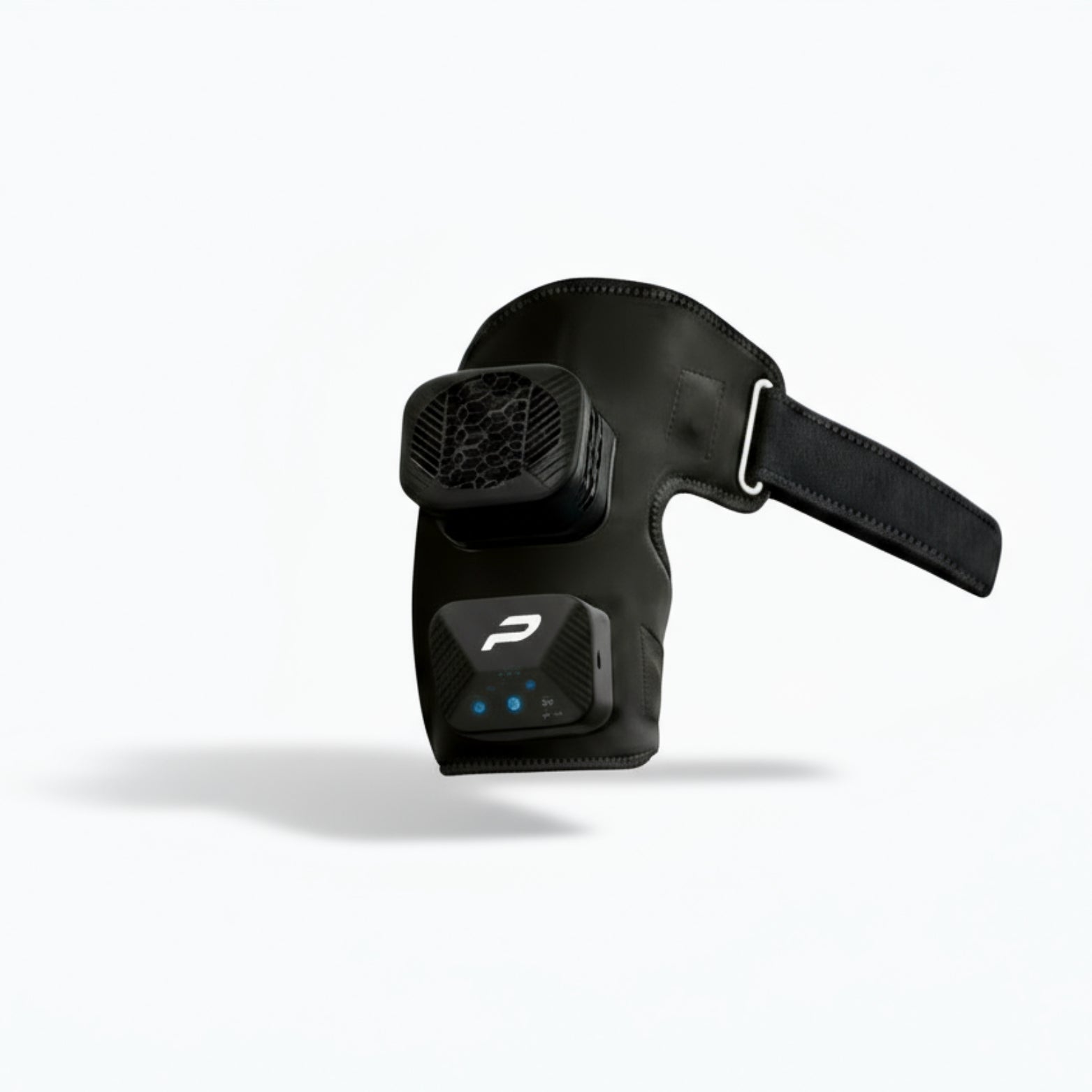
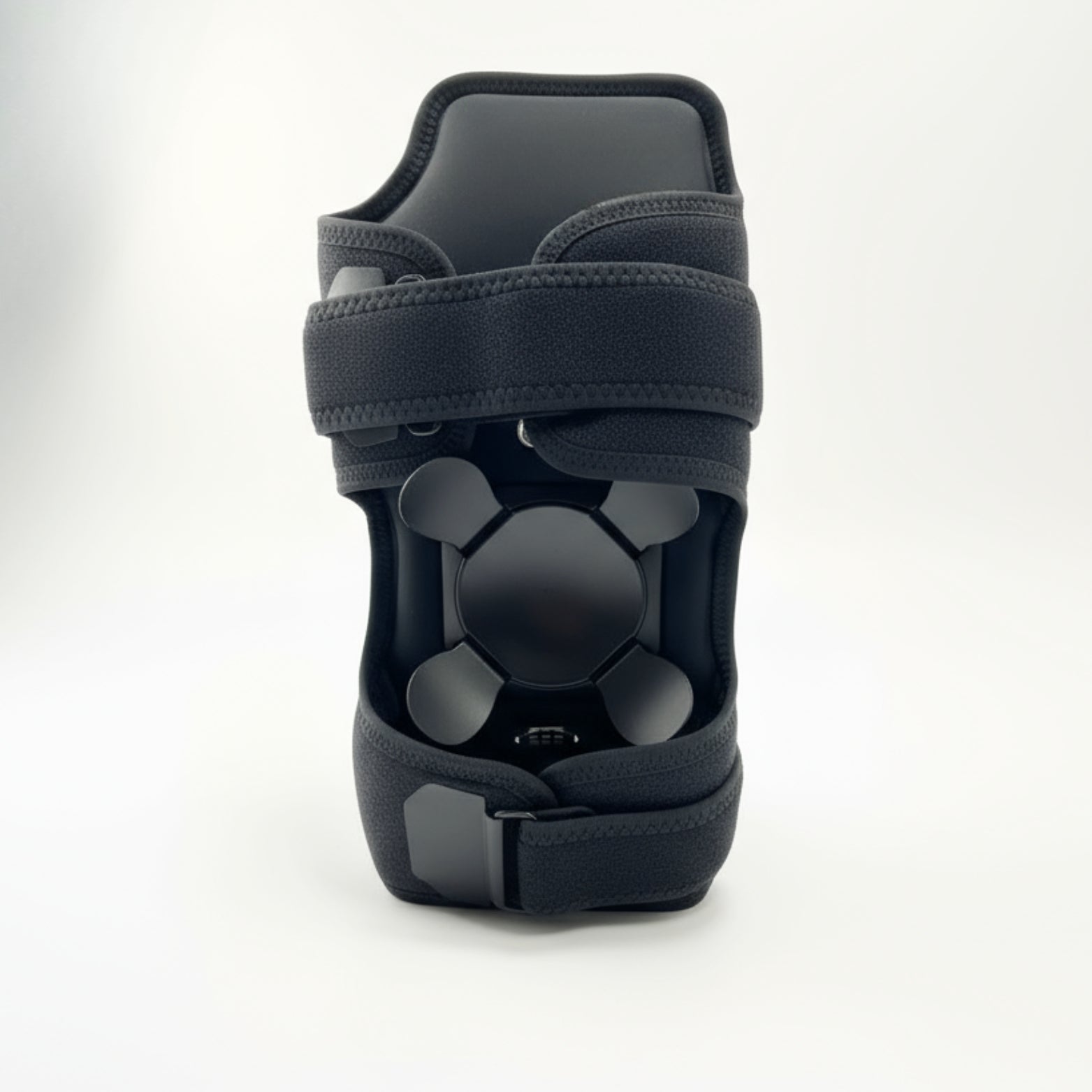
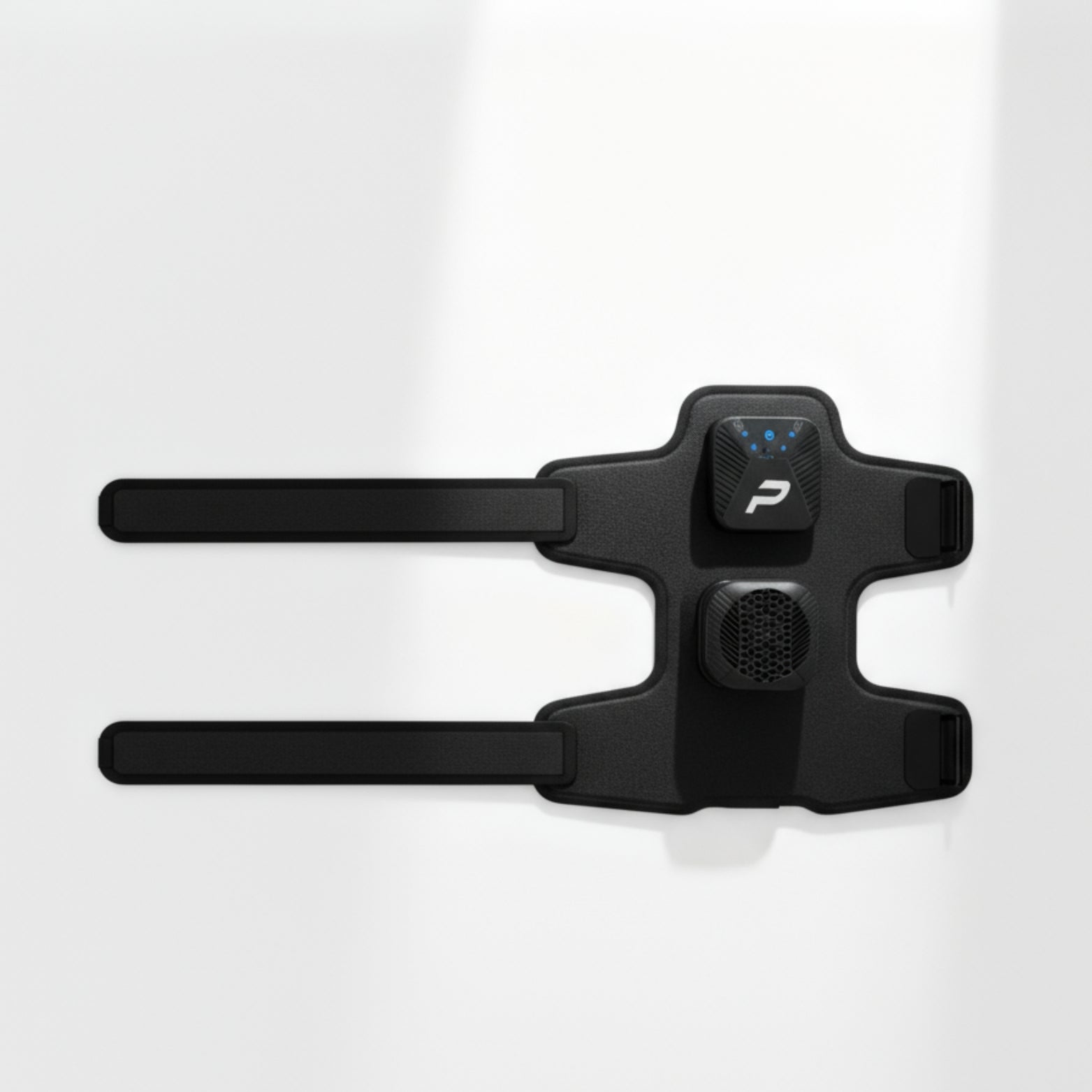
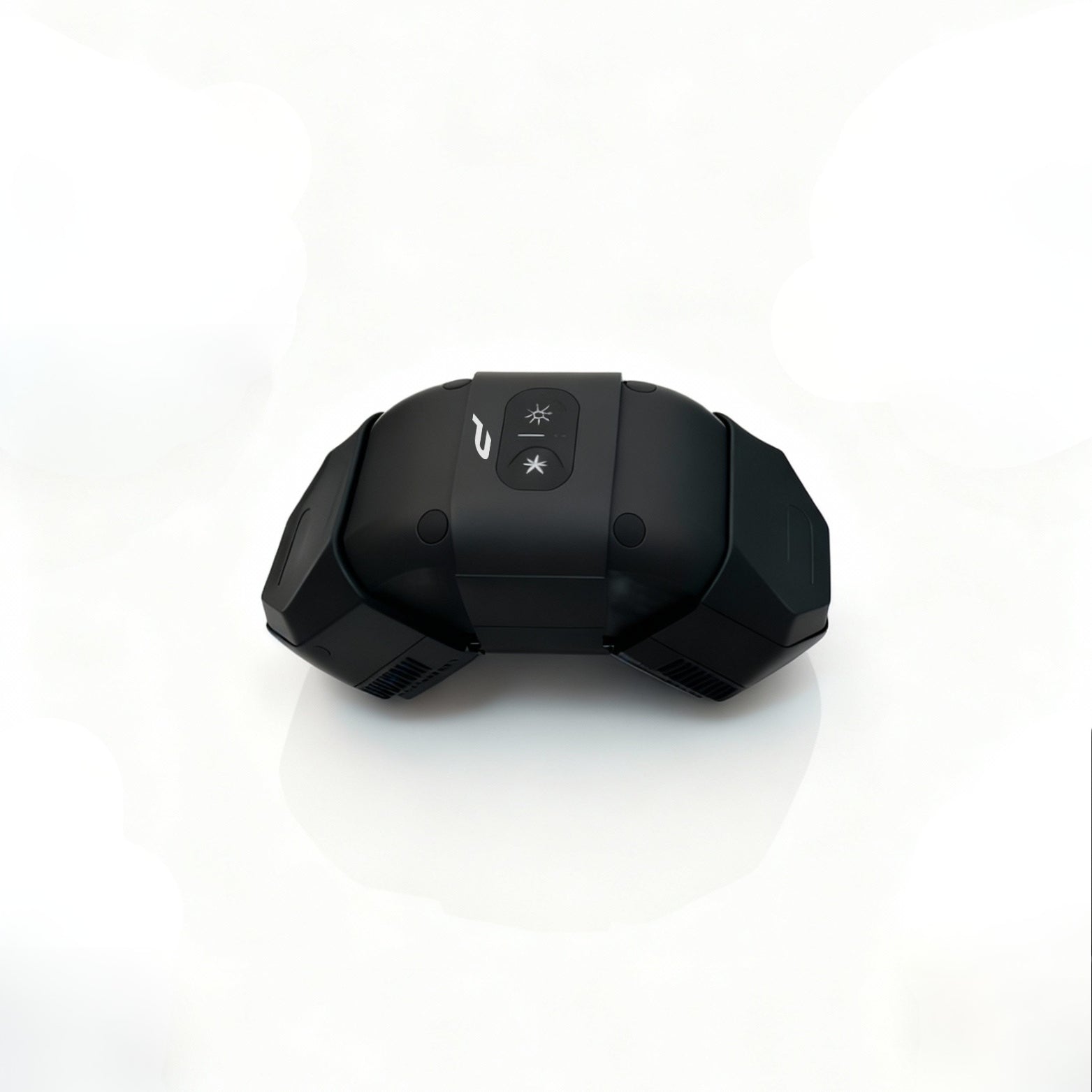
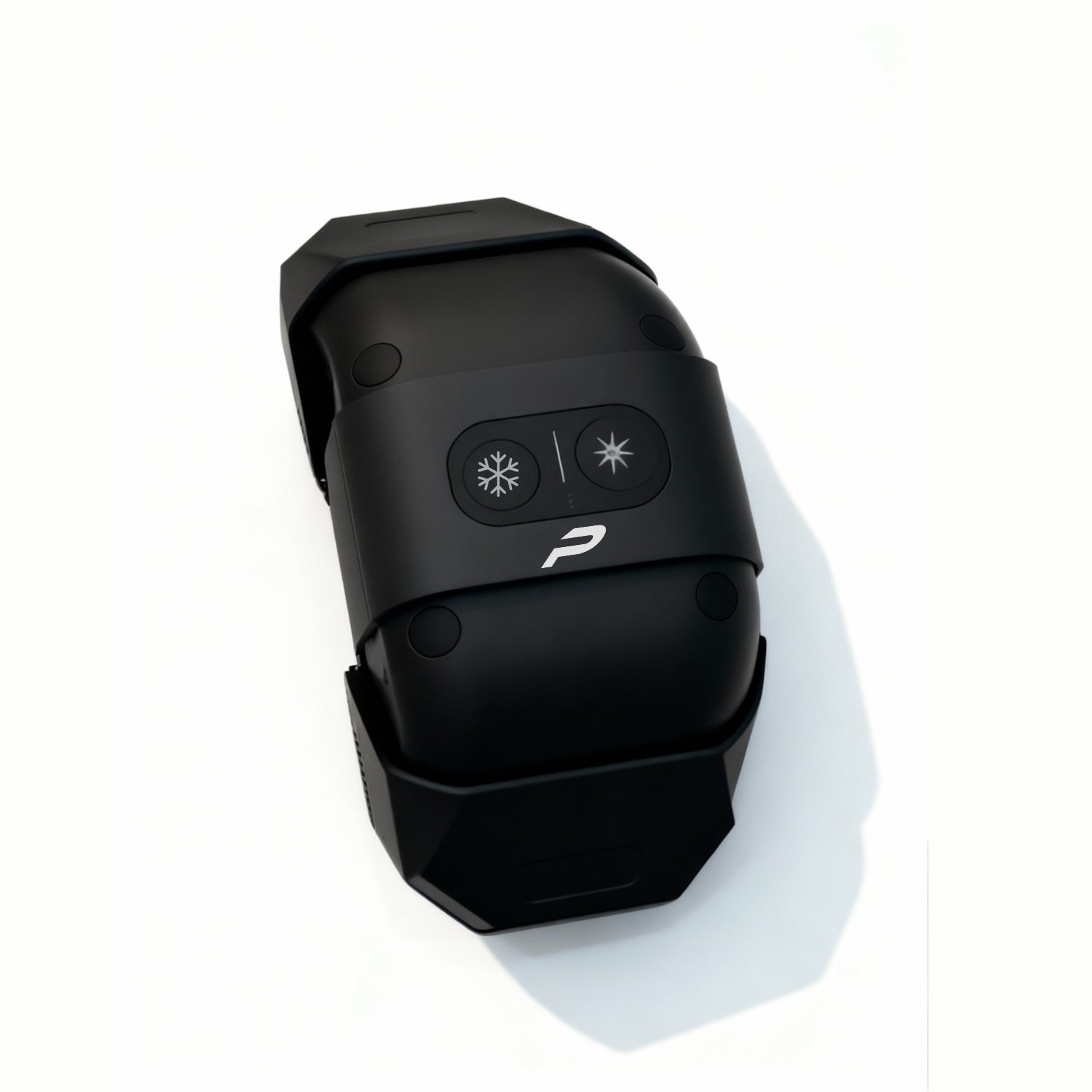
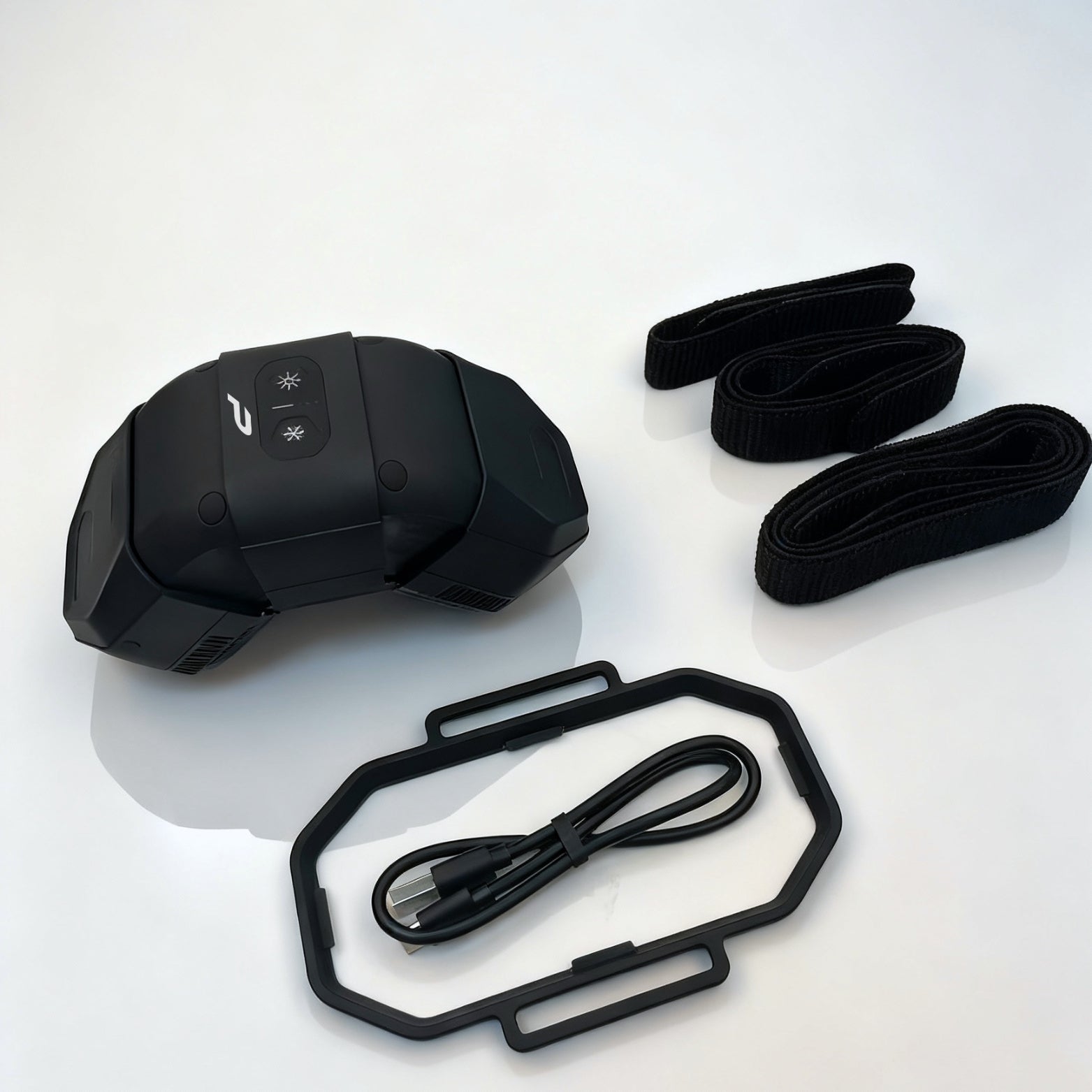


Infrared therapy has evolved from being a wellness trend to becoming one of the most evidence-backed recovery tools available to athletes and active individuals. At Premier Sports Equipment, our infrared pads use dual wavelengths 660 nm red light and 850 nm near-infrared (NIR), the same spectrum validated by sports-science and physiotherapy research for muscle recovery and tissue repair.
When integrated properly into a training plan, this technology can improve recovery, mobility, and long-term performance without adding hours to your routine.
Understanding How Dual-Wavelength Infrared Therapy Works
The 660 nm red light penetrates the surface of the skin and targets cells involved in collagen repair and inflammation reduction. This helps calm soreness and improve skin and connective-tissue health.
The 850 nm NIR light travels deeper up to 5 cm beneath the skin stimulating mitochondria inside muscle cells. These mitochondria convert light energy into ATP, the body’s cellular fuel. More ATP means faster repair, better circulation, and improved muscle endurance.
Multiple studies in Frontiers in Physiology and Lasers in Medical Science have shown that dual-wavelength systems (especially 660 + 850 nm) increase tissue oxygenation, reduce muscle fatigue, and enhance recovery when used before or after training.
When to Use Infrared Therapy
1. Pre-Workout (Activation Phase)
A short infrared session before exercise helps “prime” the muscles. Research indicates that applying NIR light for 5–10 minutes before resistance or endurance training can improve muscle contraction efficiency and reduce strength loss later in the session.
Use the pad on key areas you plan to train quads, hamstrings, shoulders for a light warm-up that boosts circulation and flexibility.
2. Post-Workout (Recovery Phase)
After intense training, infrared therapy assists in clearing lactic acid and calming inflammation. A 15–20 minute session on the targeted muscle group helps reduce soreness, promote relaxation, and restore energy at the cellular level.
This is where the 850 nm wavelength does most of the heavy lifting, driving blood flow and nutrient delivery deep into the muscle.
3. Rest Days (Maintenance Phase)
On rest or recovery days, infrared therapy can help maintain circulation, reduce stiffness, and support joint mobility. Think of it as “active recovery” for your cells, quiet, gentle, but incredibly effective.
Best Practices for Athletes, Clubs, and Home Users
-
Consistency is key. Just like training, infrared therapy works best when done regularly, ideally 3–5 times per week.
-
Stay hydrated. Better circulation means your body needs more water to move nutrients effectively.
-
Target one area at a time. Focus sessions on the muscles you train most often or areas prone to fatigue.
-
Avoid direct use over open wounds or inflammation in the first 24 hours after acute injury.
-
Pair it with other recovery tools. Infrared therapy complements compression, stretching, and contrast therapy for a complete recovery system.
For teams or schools, integrating infrared sessions after training creates a simple, repeatable system that ensures every player recovers efficiently without needing one-on-one physiotherapy every time.
Why Athletes Love Premier Sports Equipment Recovery Gear
Infrared therapy isn’t about luxury, it’s about longevity. Consistent use helps athletes train more frequently with less soreness, reduces soft-tissue fatigue, and supports better flexibility over time. It also promotes a calmer nervous system, helping athletes sleep deeper and recover more completely between sessions.
For schools, clubs, and home users across New Zealand, adding 660 + 850 nm infrared wearables to your training environment provides a genuine, research-backed recovery edge.

