





Badminton is one of the fastest racket sports in the world. Every rally demands precision, speed, and control and players who can maintain those qualities under pressure are the ones who rise above the rest. Yet, for decades, training has looked the same: a coach or partner feeding shuttles, players hitting a few repetitions before waiting for the next feed.
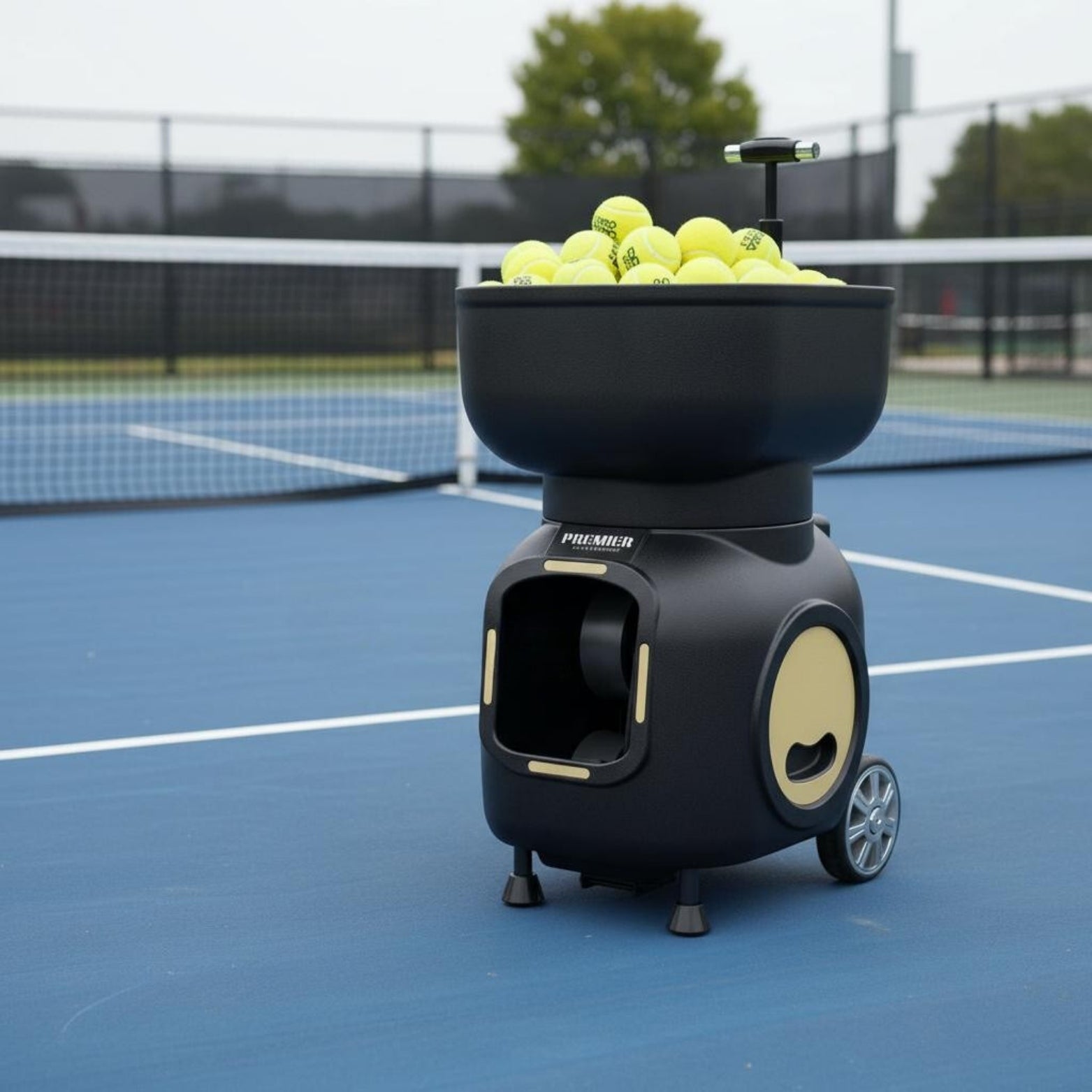
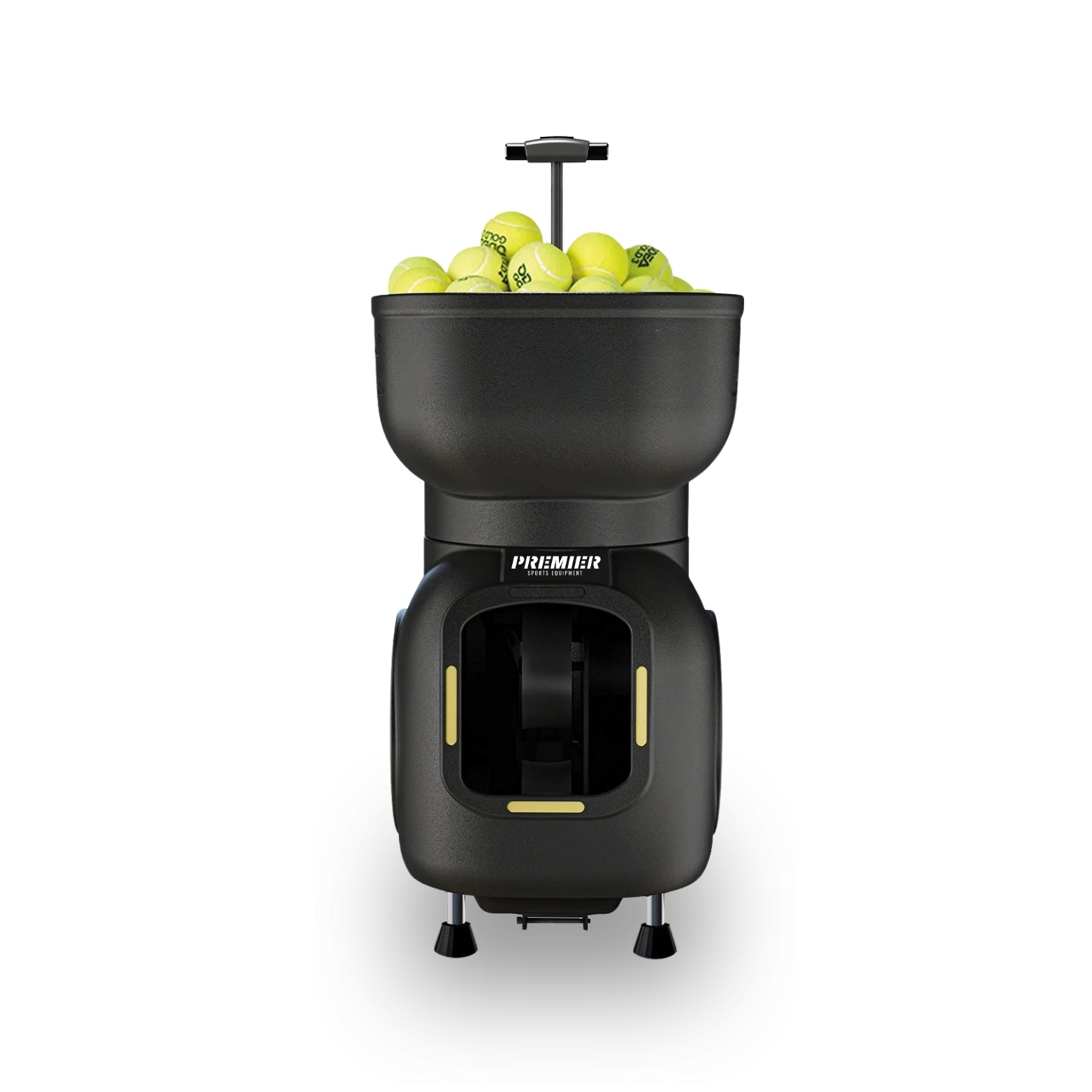
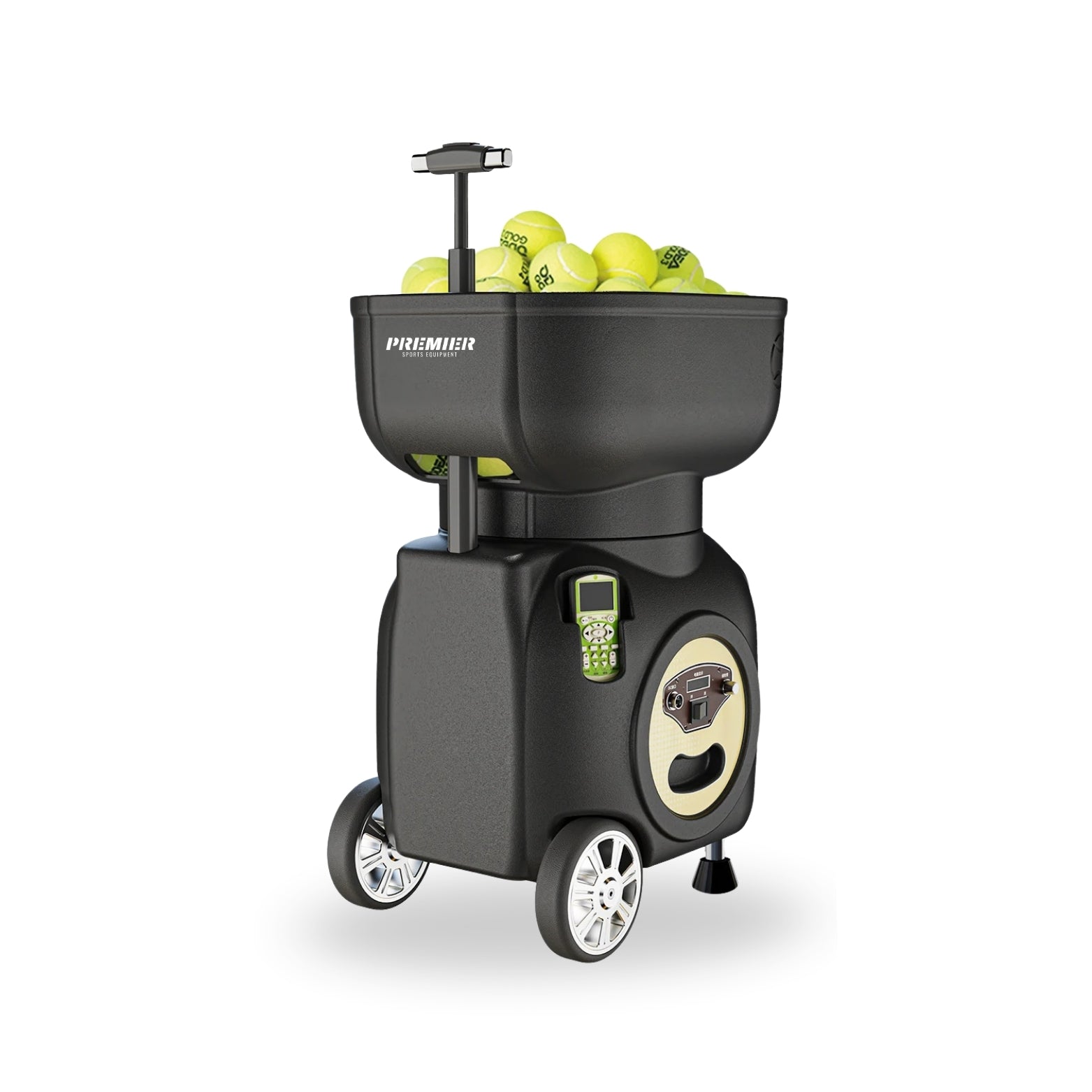
That model is starting to change. Around the world, professional academies, national programs, and even local clubs are integrating shuttle-feeding machines to revolutionise how athletes train. These machines aren’t about replacing coaches, they’re about amplifying what coaches can achieve.
The Problem with Traditional Training
Manual feeding, while effective in teaching fundamentals, is limited. Fatigue, inconsistency, and human error mean that each shuttle arrives slightly differently. Over a long session, that inconsistency leads to fewer quality repetitions.
The Power of Precision
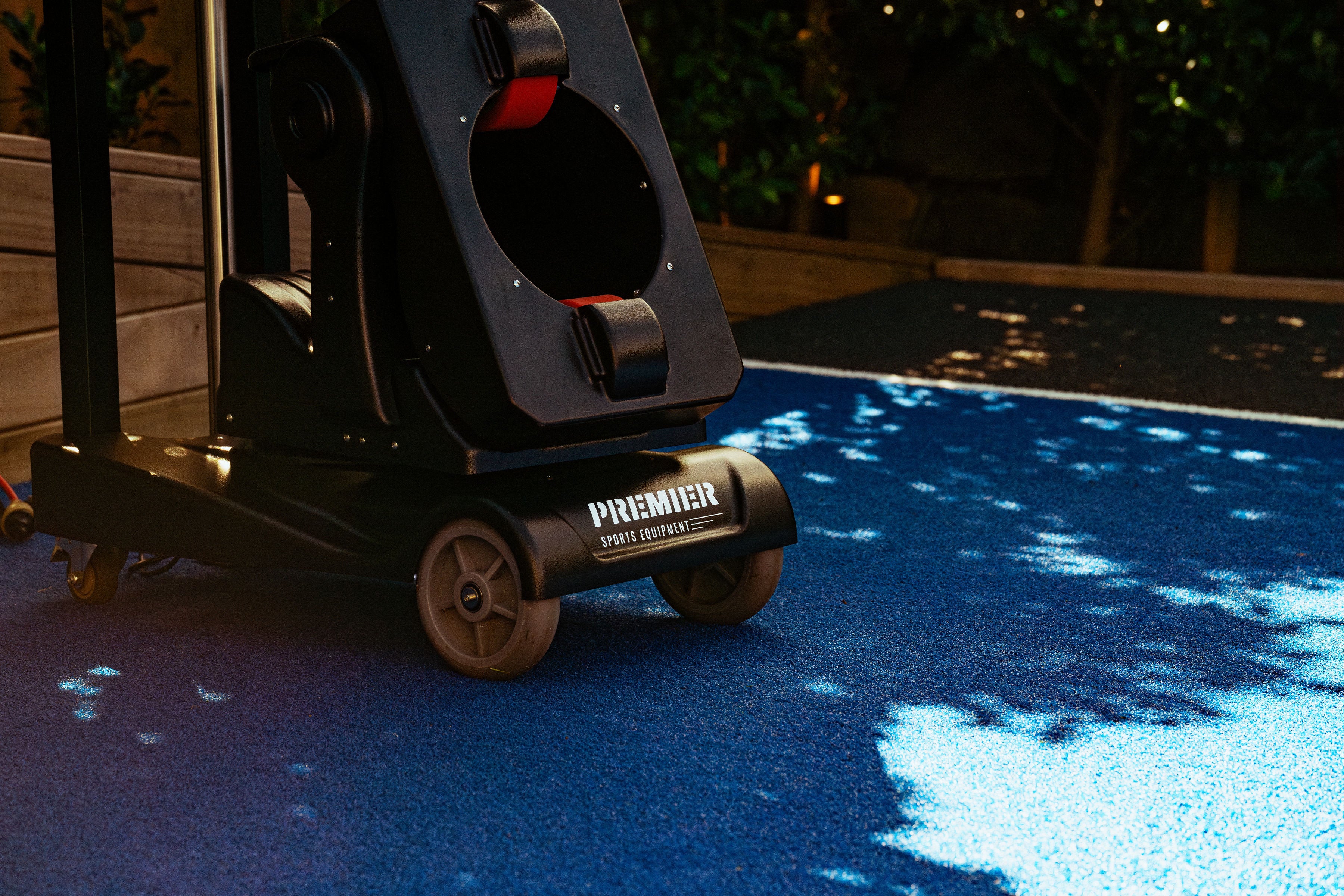
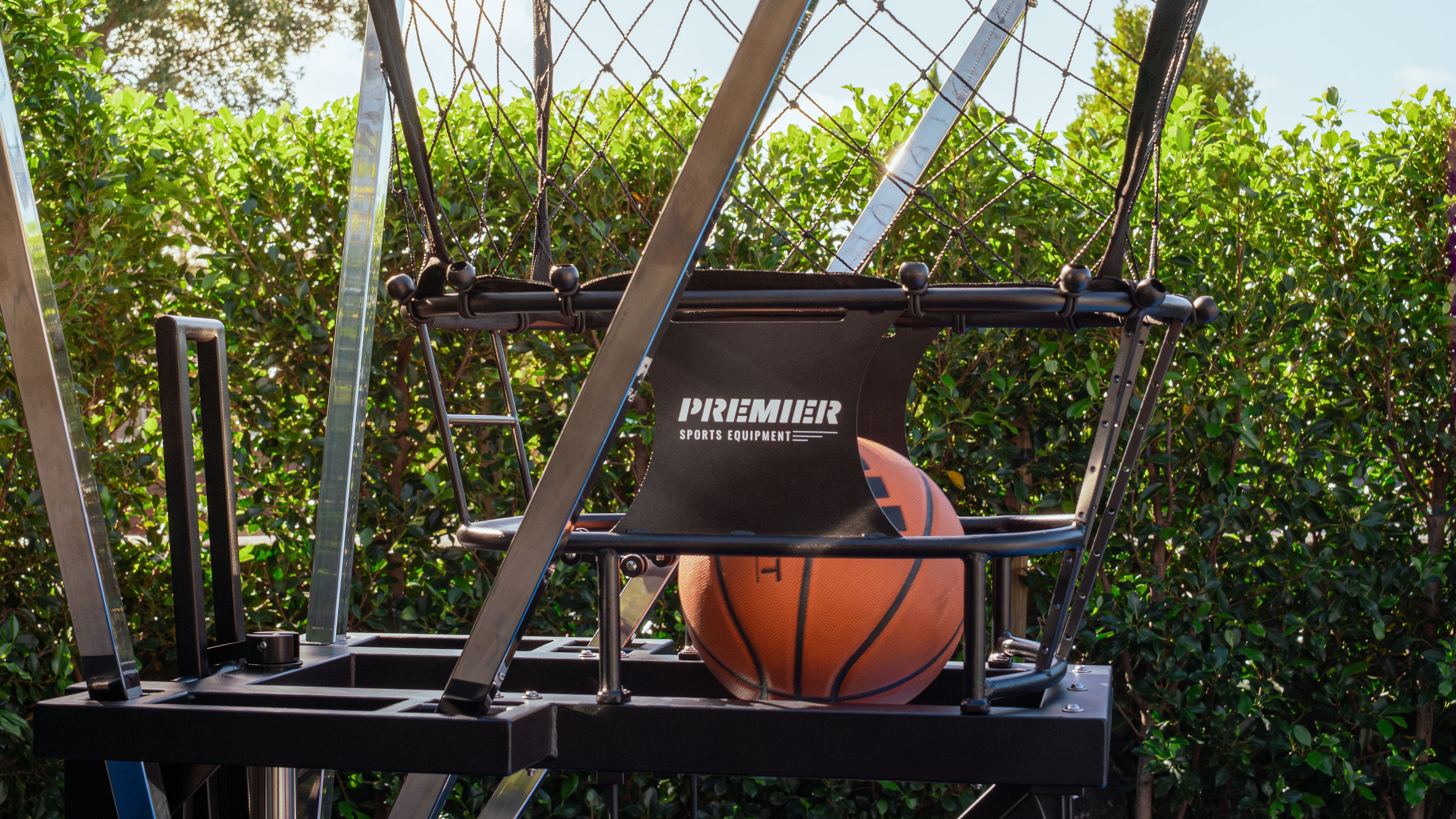
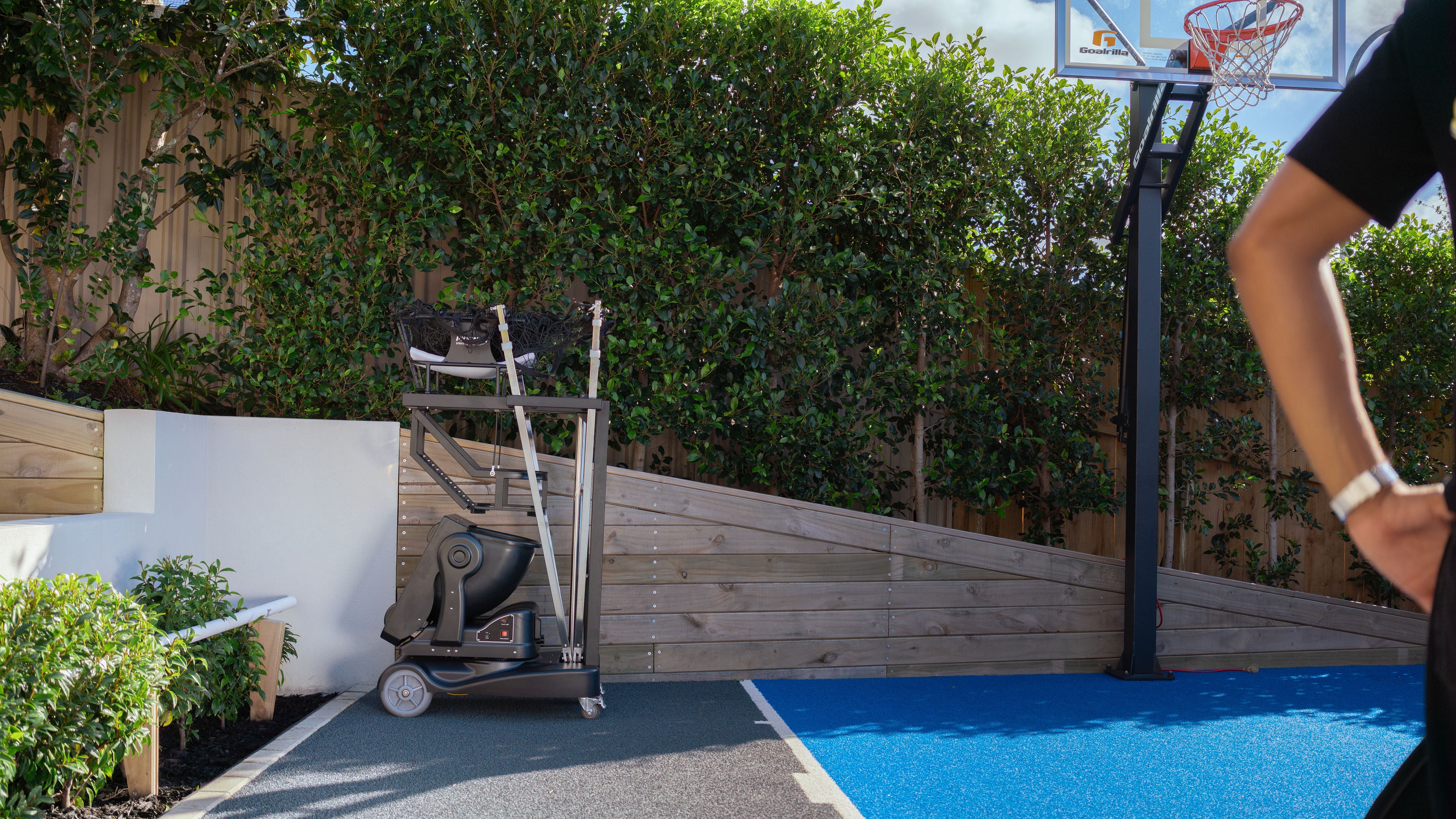
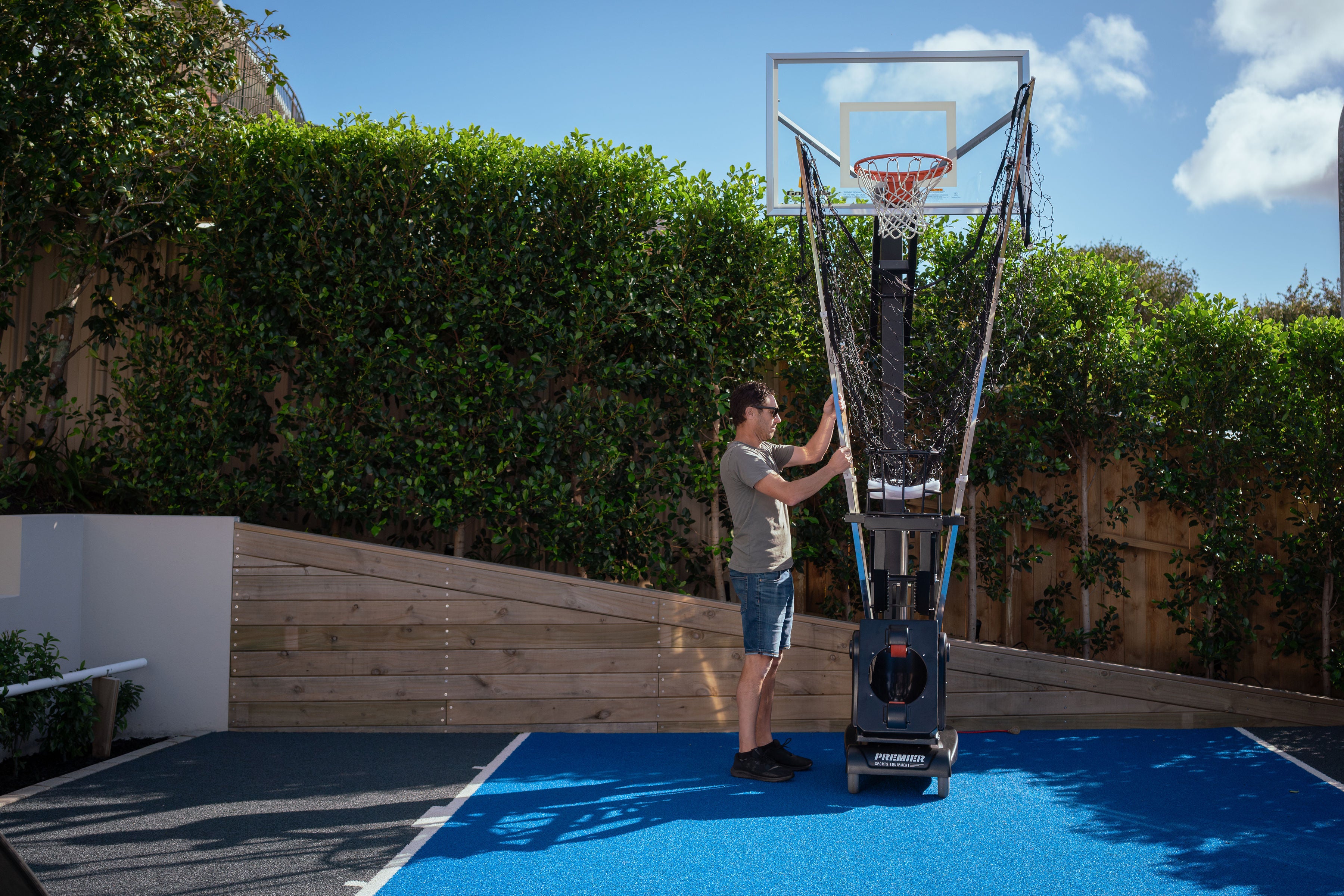
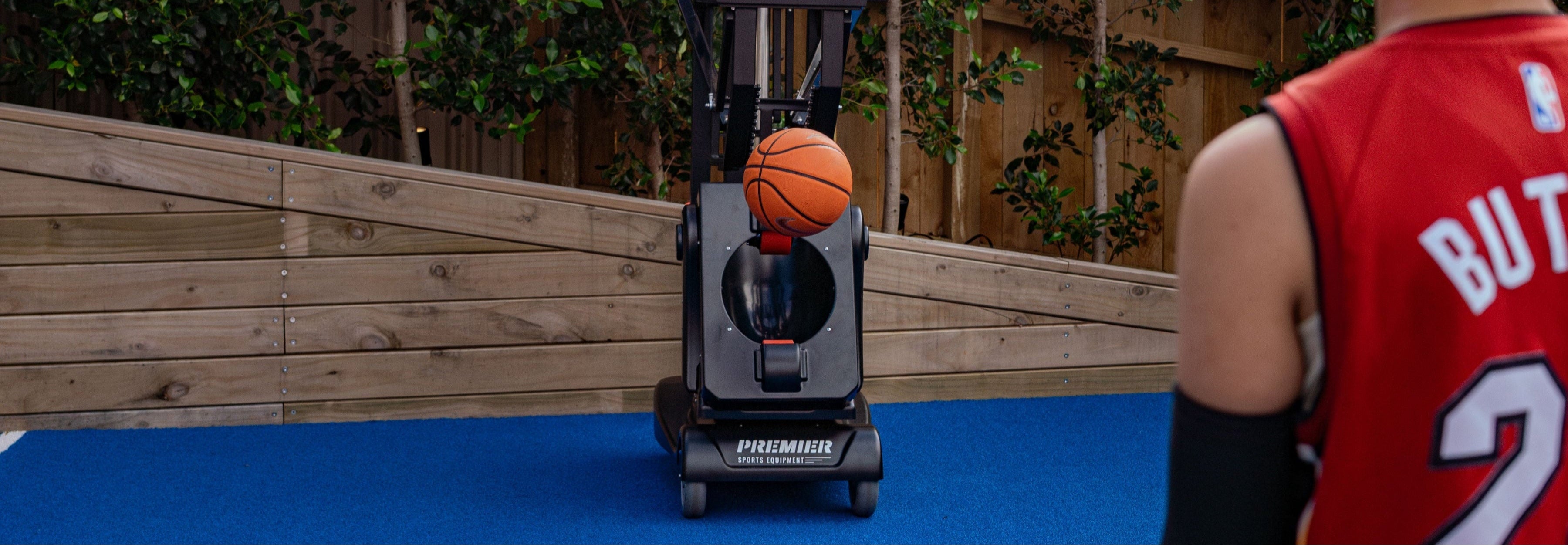
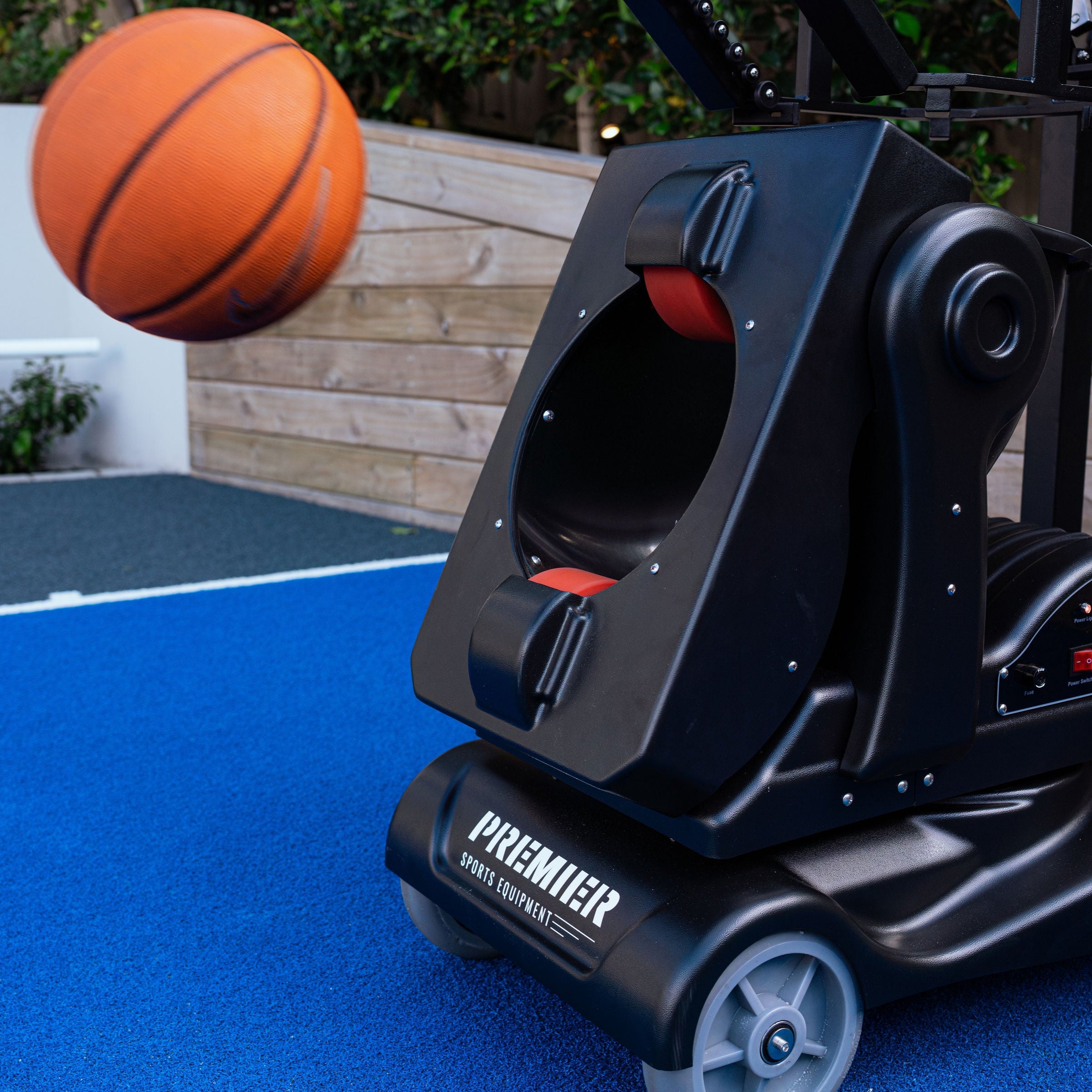
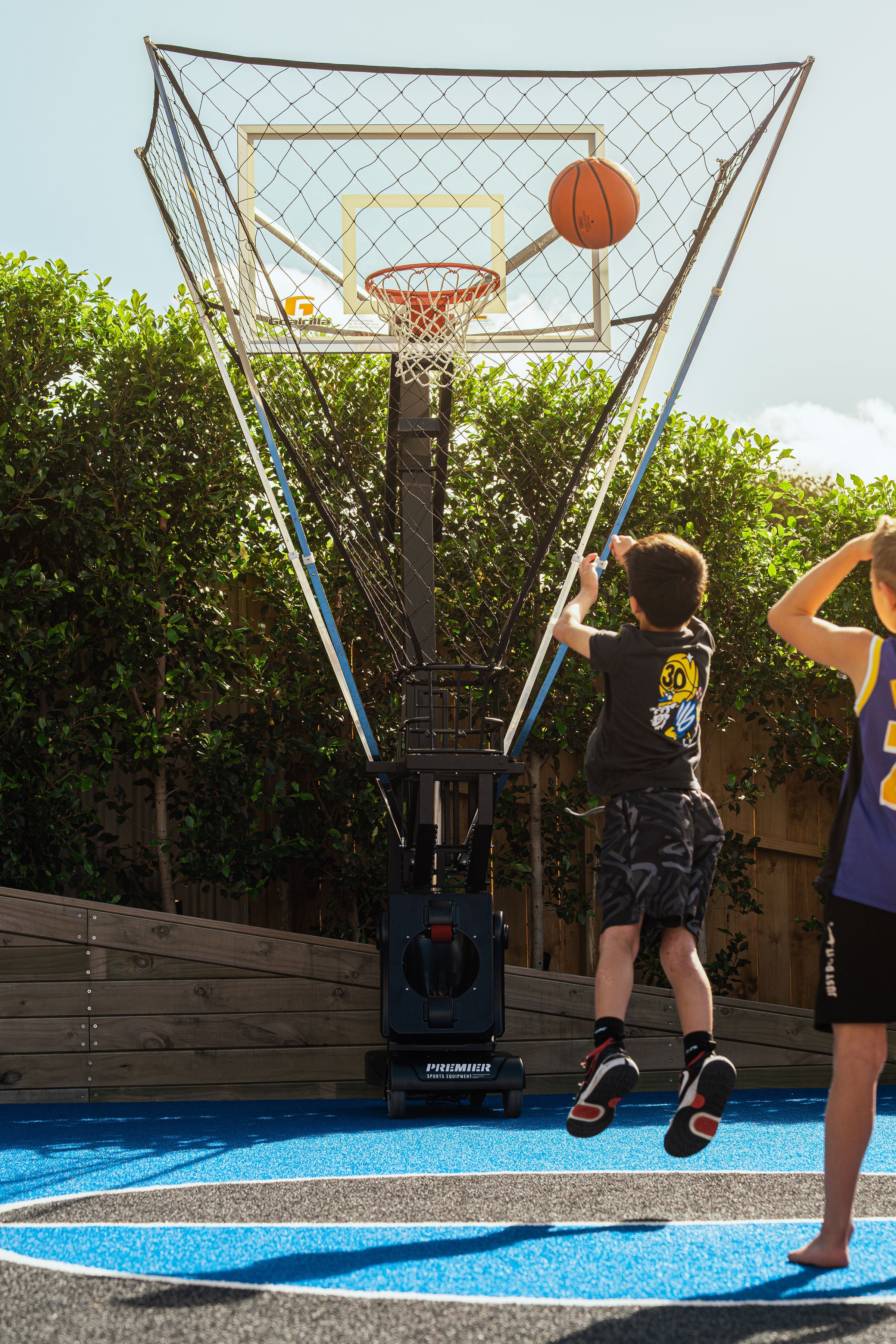
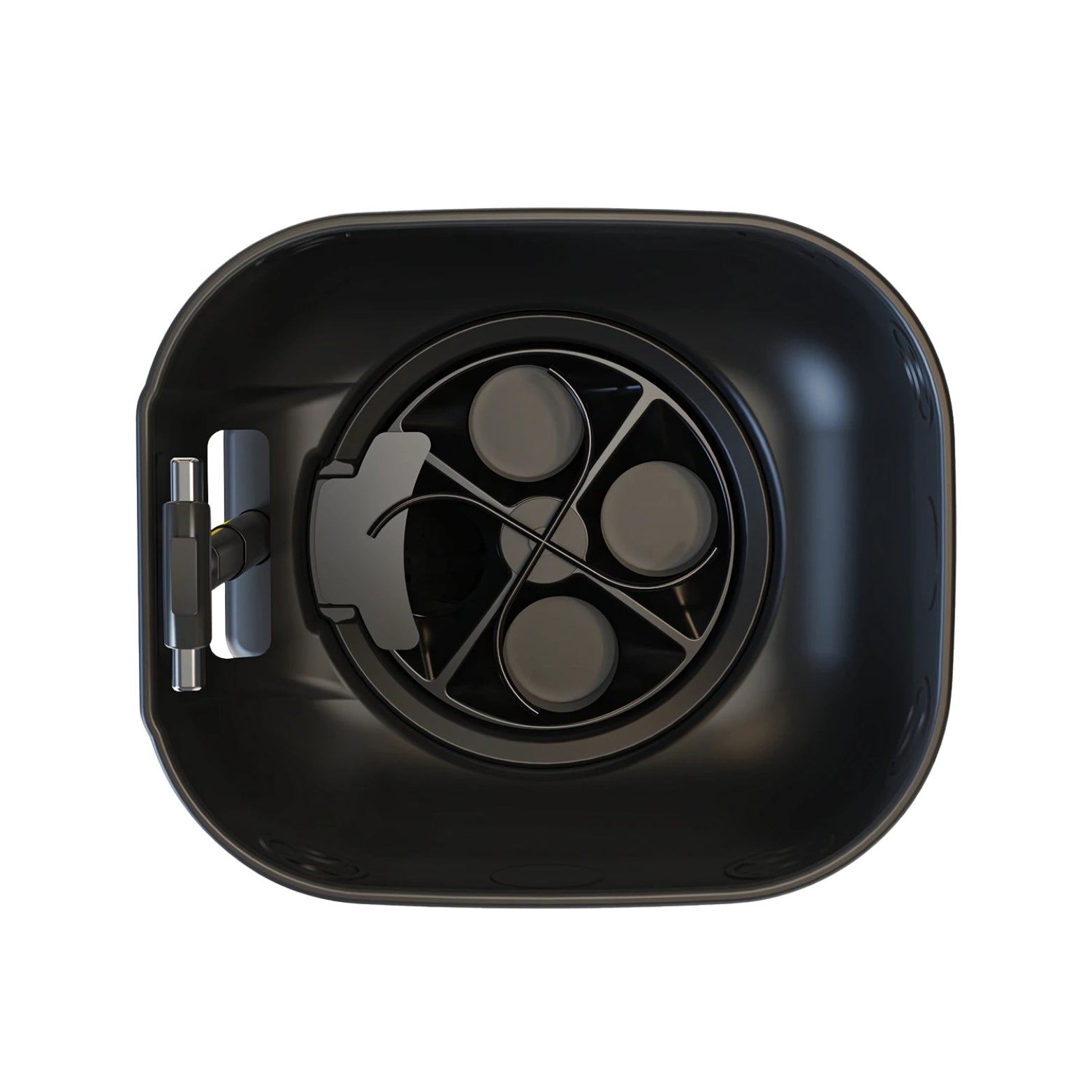
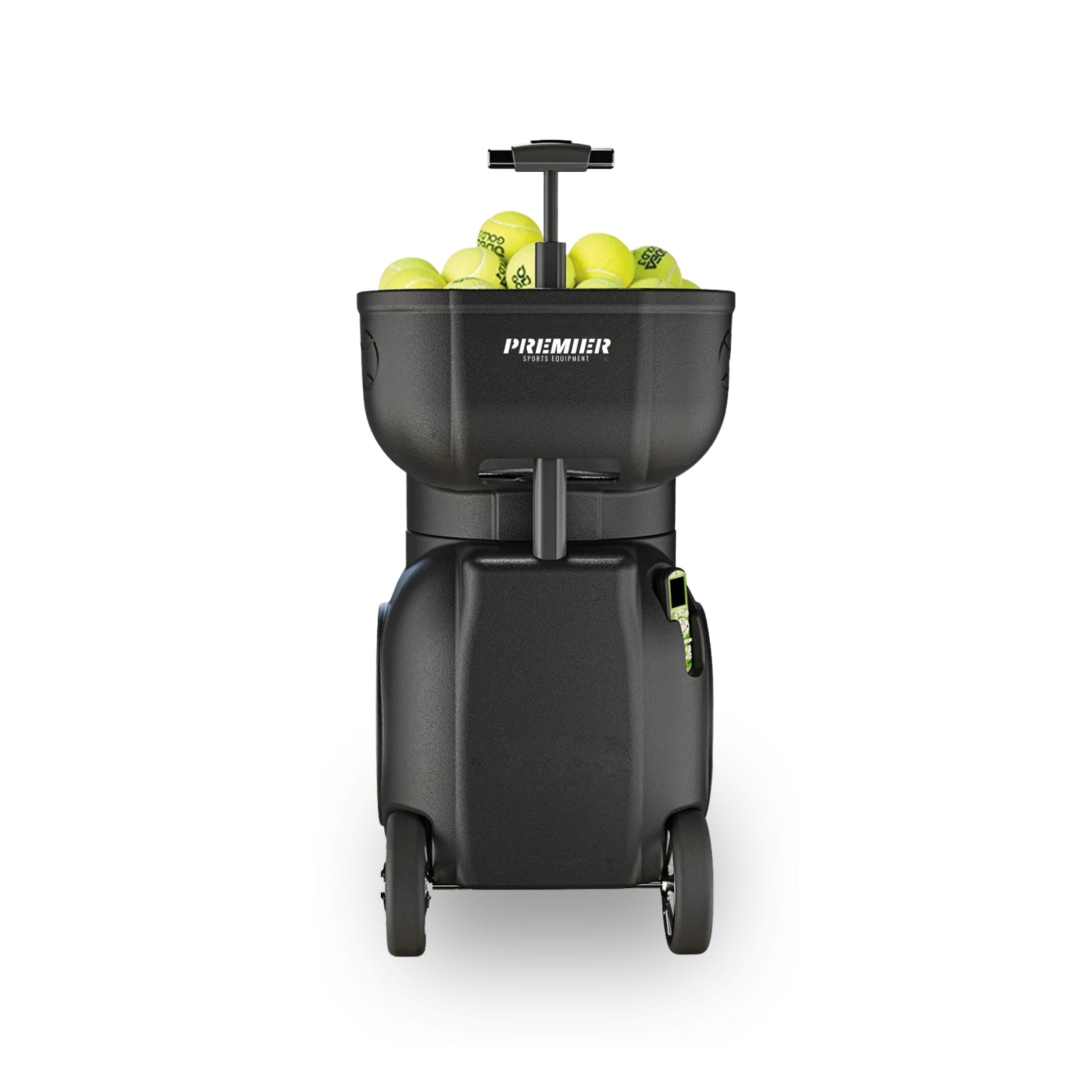
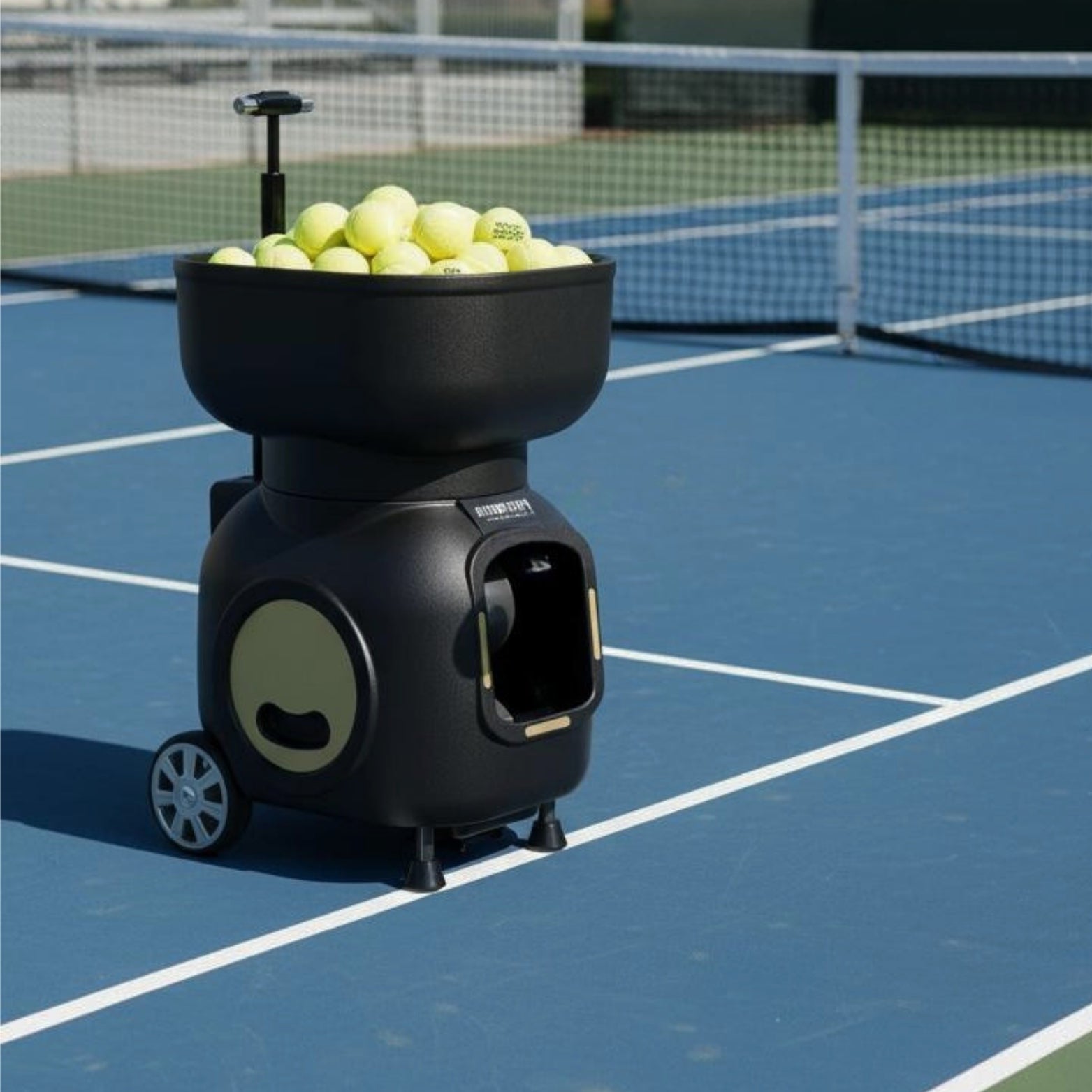
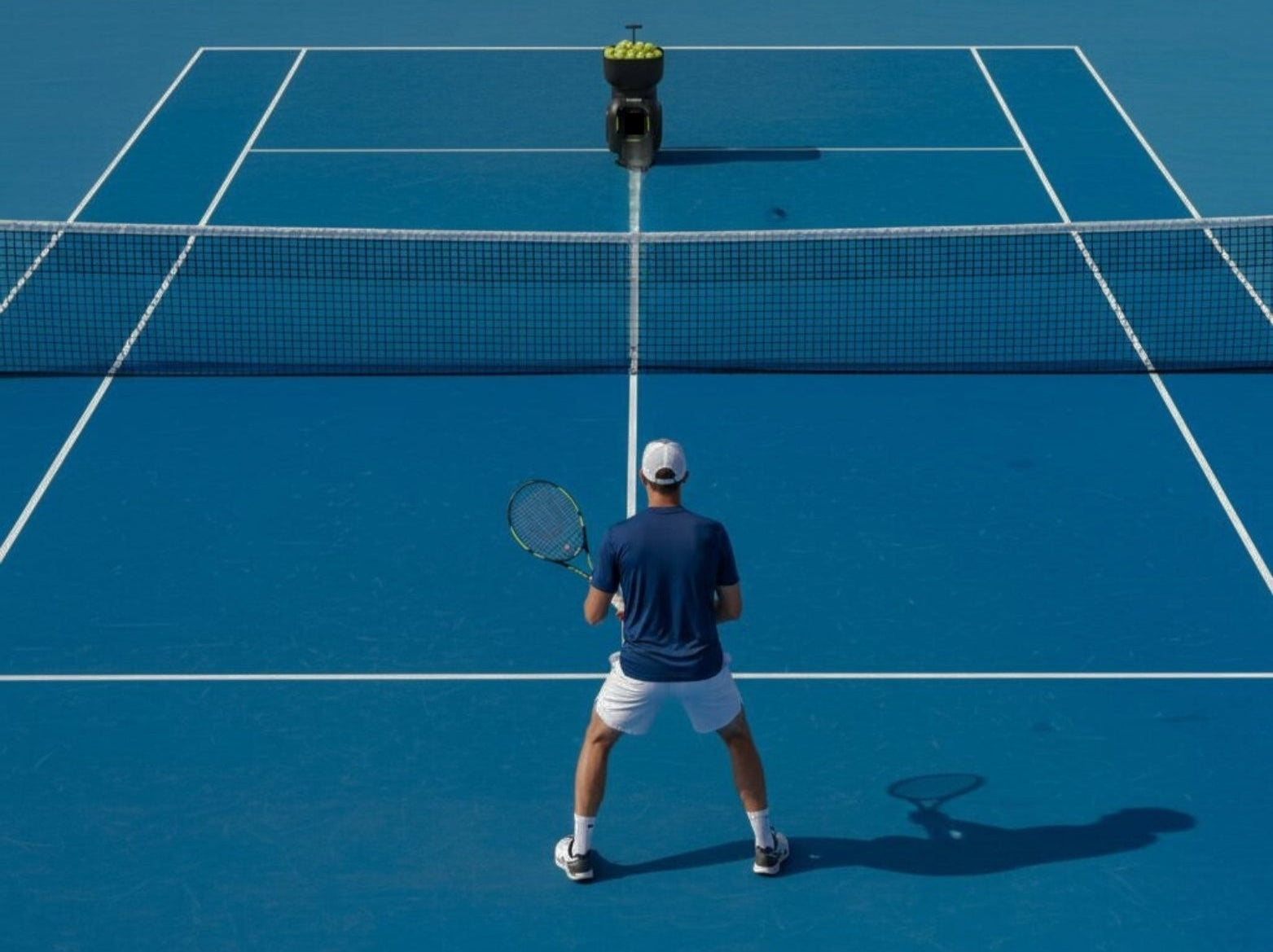
Shuttle-feeding machines like the Serve Elite Pro and Serve Elite Max eliminate those limitations. They deliver hundreds of perfectly timed shuttles at adjustable speeds, heights, and angles, allowing players to train specific shots, whether it’s a backhand clear, jump smash, or fast drop over and over again, with absolute consistency.
The repetition this creates is powerful. It enables players to develop rhythm, fine-tune reaction speed, and reinforce muscle memory with precision that’s difficult to achieve otherwise.
Data, Discipline, and Development
Modern training is becoming increasingly data-driven. Coaches can now structure sessions with defined shot volumes, monitor improvement across drills, and even replicate match conditions. Instead of simply training hard, players can train intelligently.
Badminton’s future will belong to those who embrace structure, feedback, and precision and shuttle-feeding machines are the foundation of that shift.


