





Every athlete knows the feeling. You’re ready to train, full of energy and motivation but your coach or hitting partner can’t make it. In a sport like badminton, that can bring progress to a halt. Without a partner, drills lose rhythm, rallies fall short, and timing starts to fade.
But modern training technology is rewriting that story.
Breaking the Limitation of Partnerships
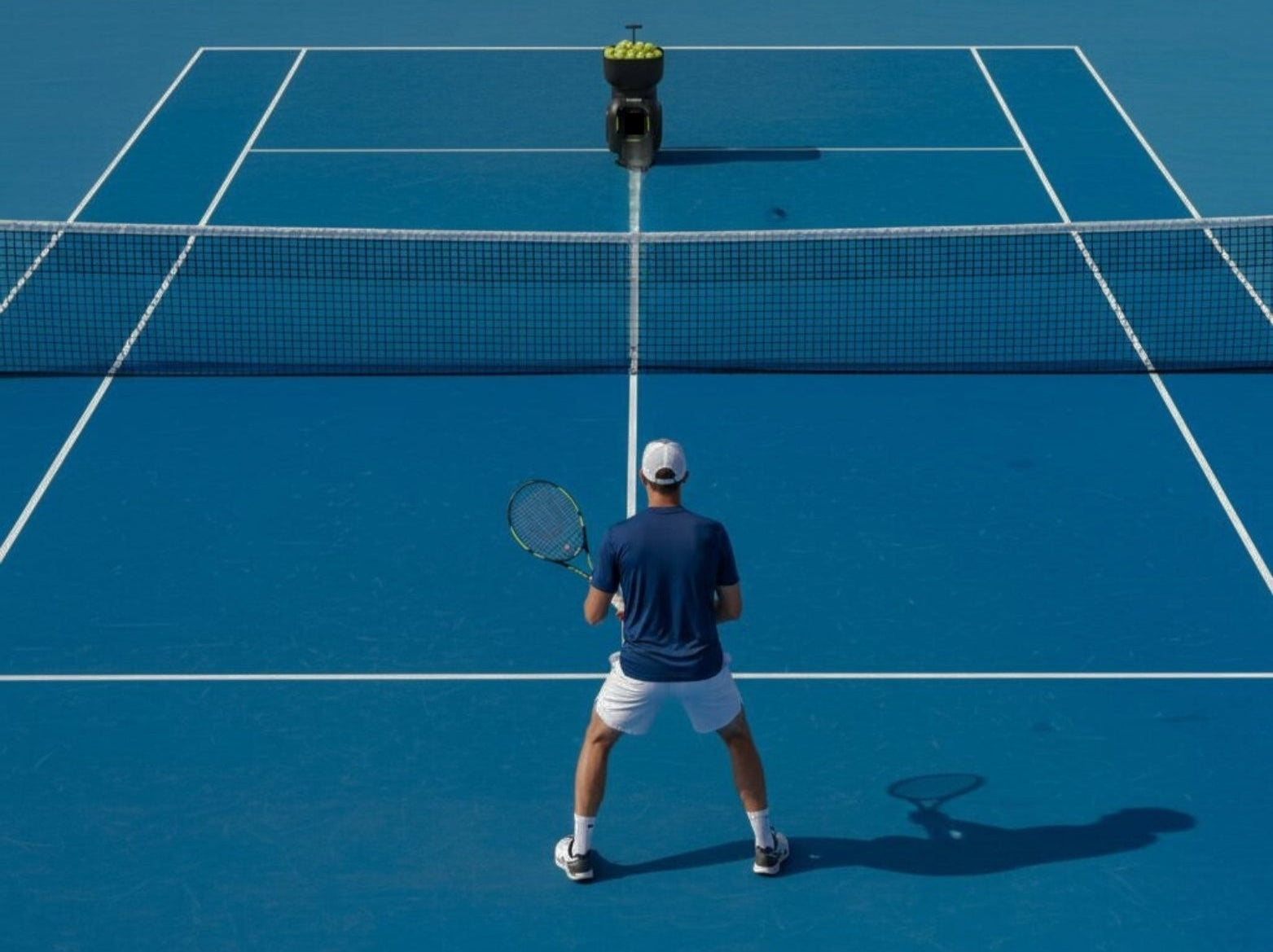
Badminton is one of the most reactive sports there is. Every shot is a response to another, a constant exchange of speed, angle, and instinct. Traditional solo training, wall rallies, shadow footwork, or shuttle taps helps maintain rhythm, but it rarely captures the pace and unpredictability of a real rally.
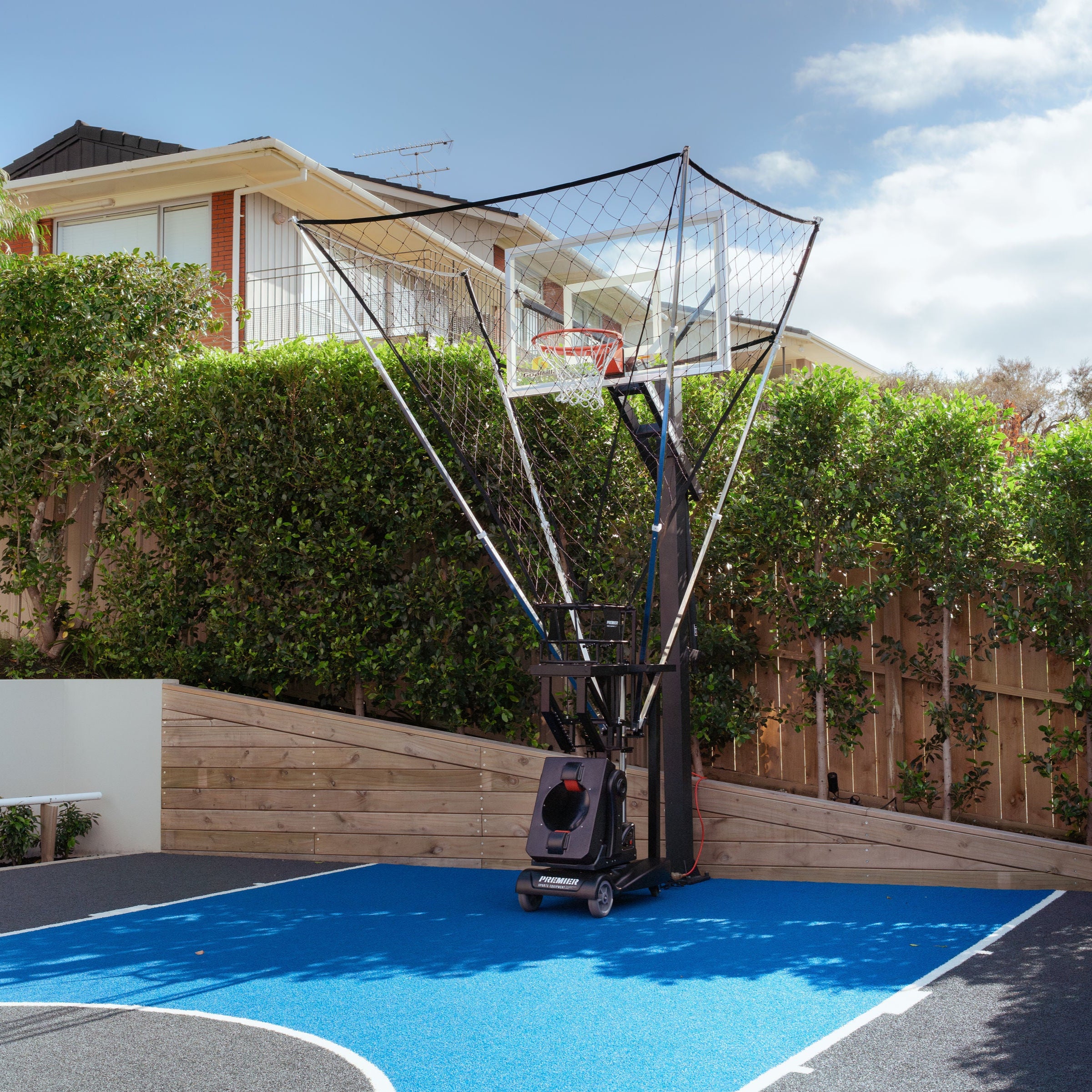
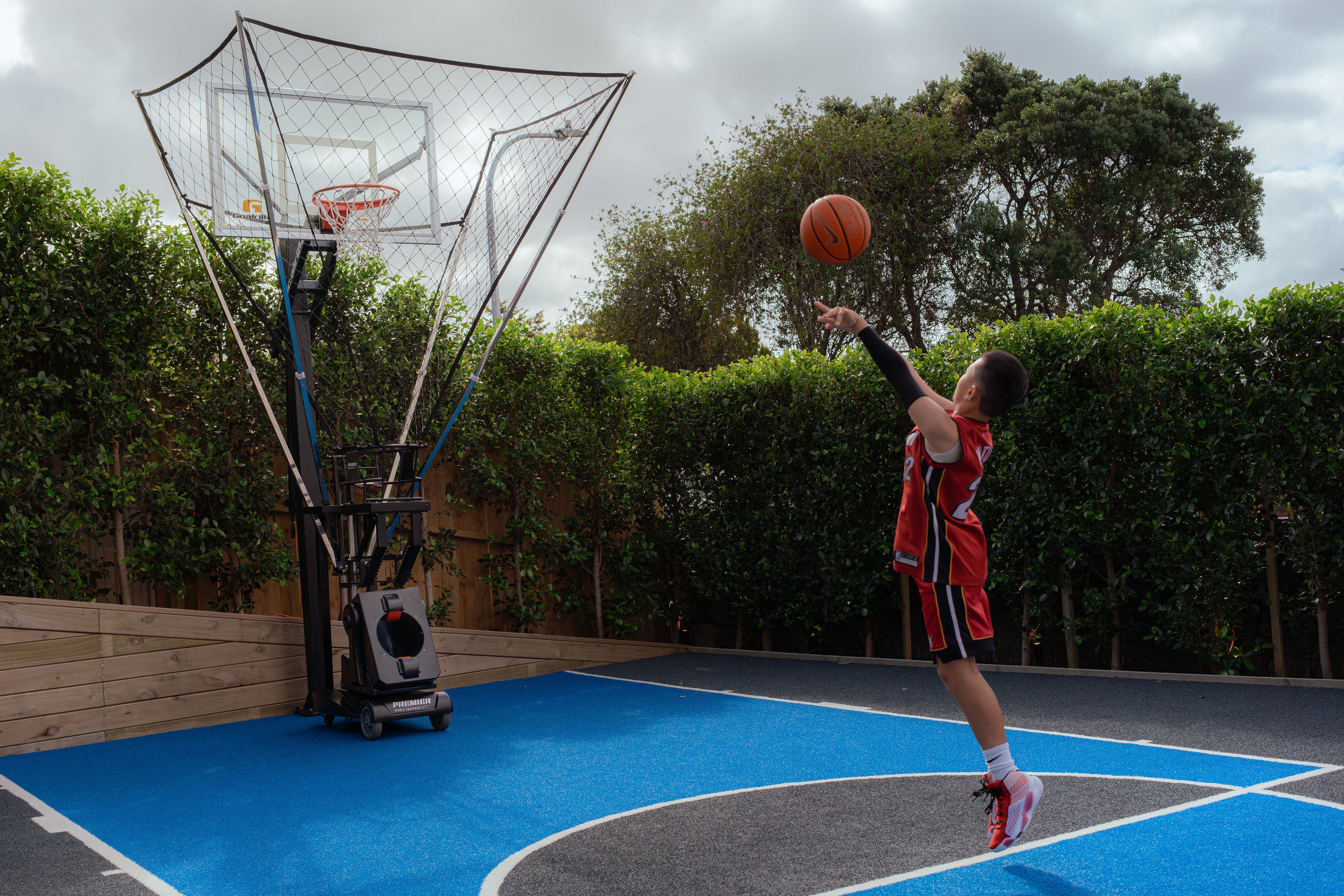
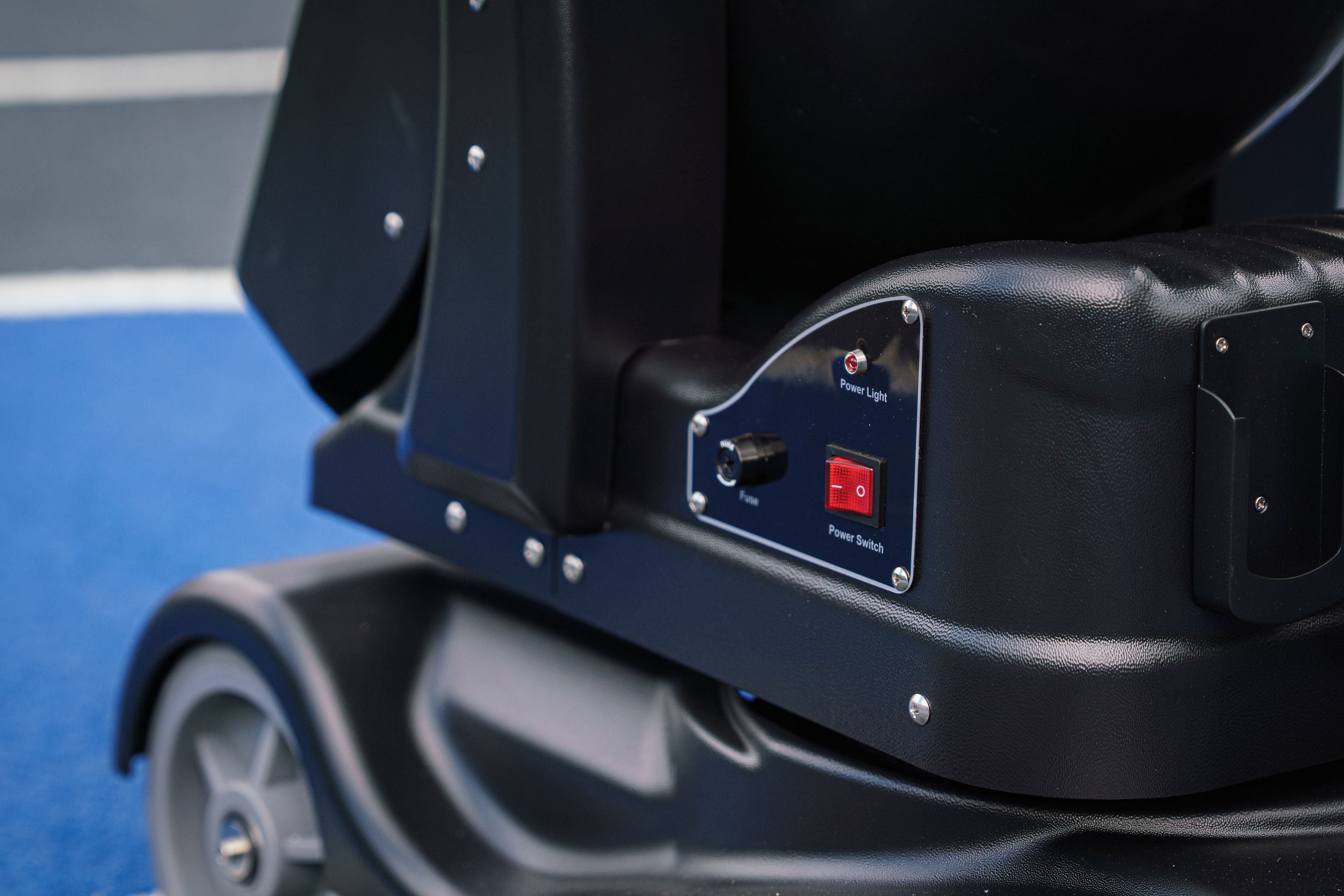
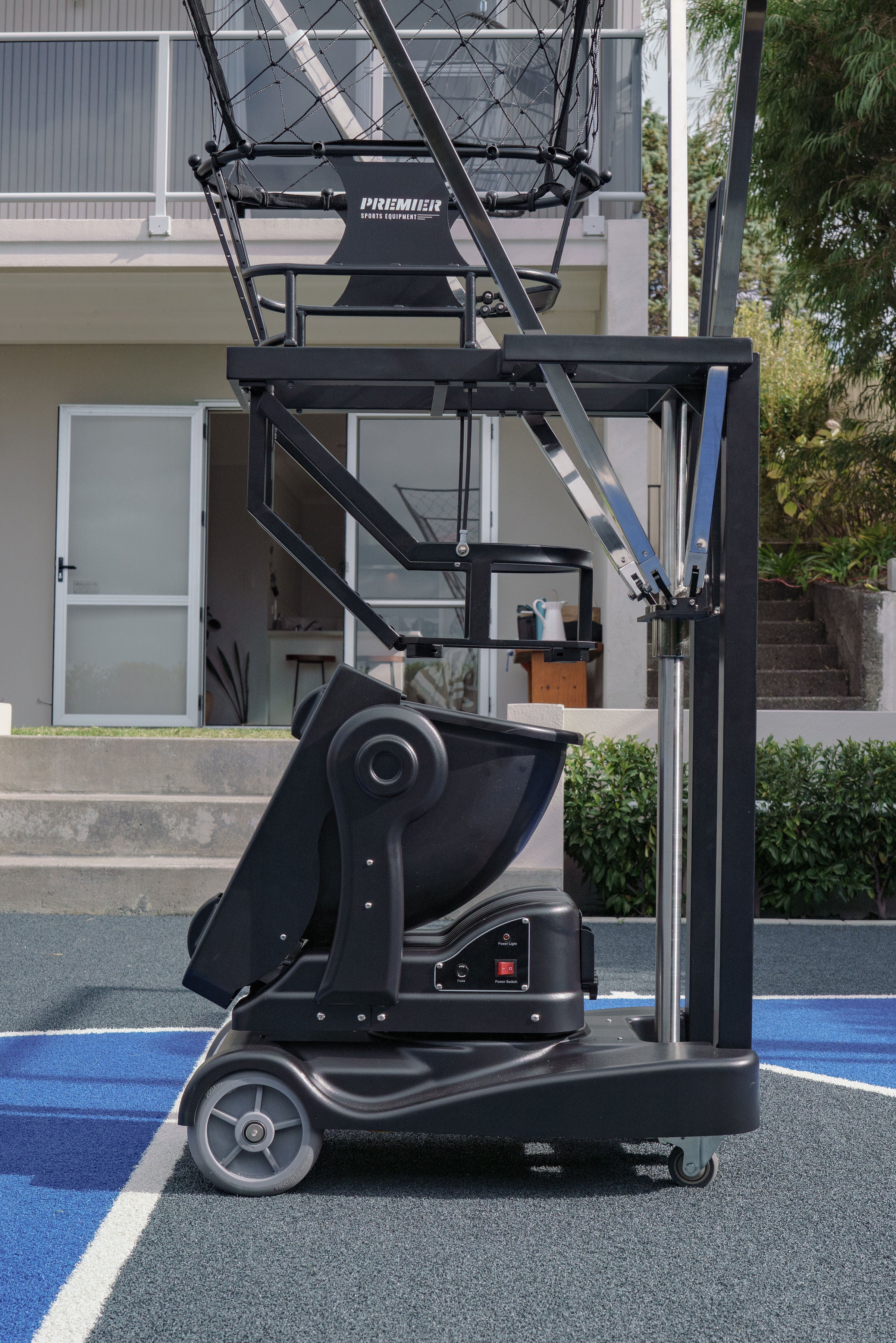
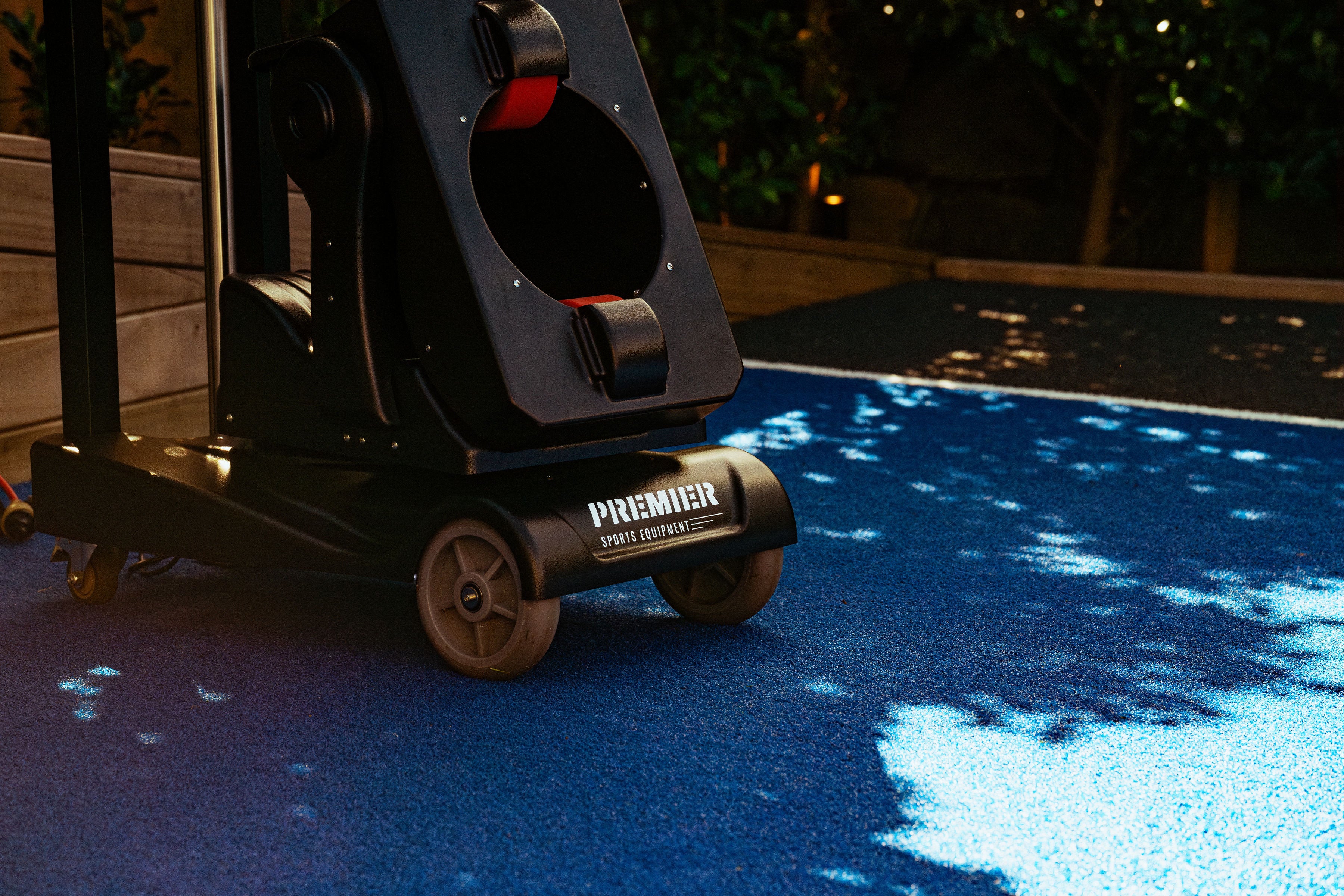
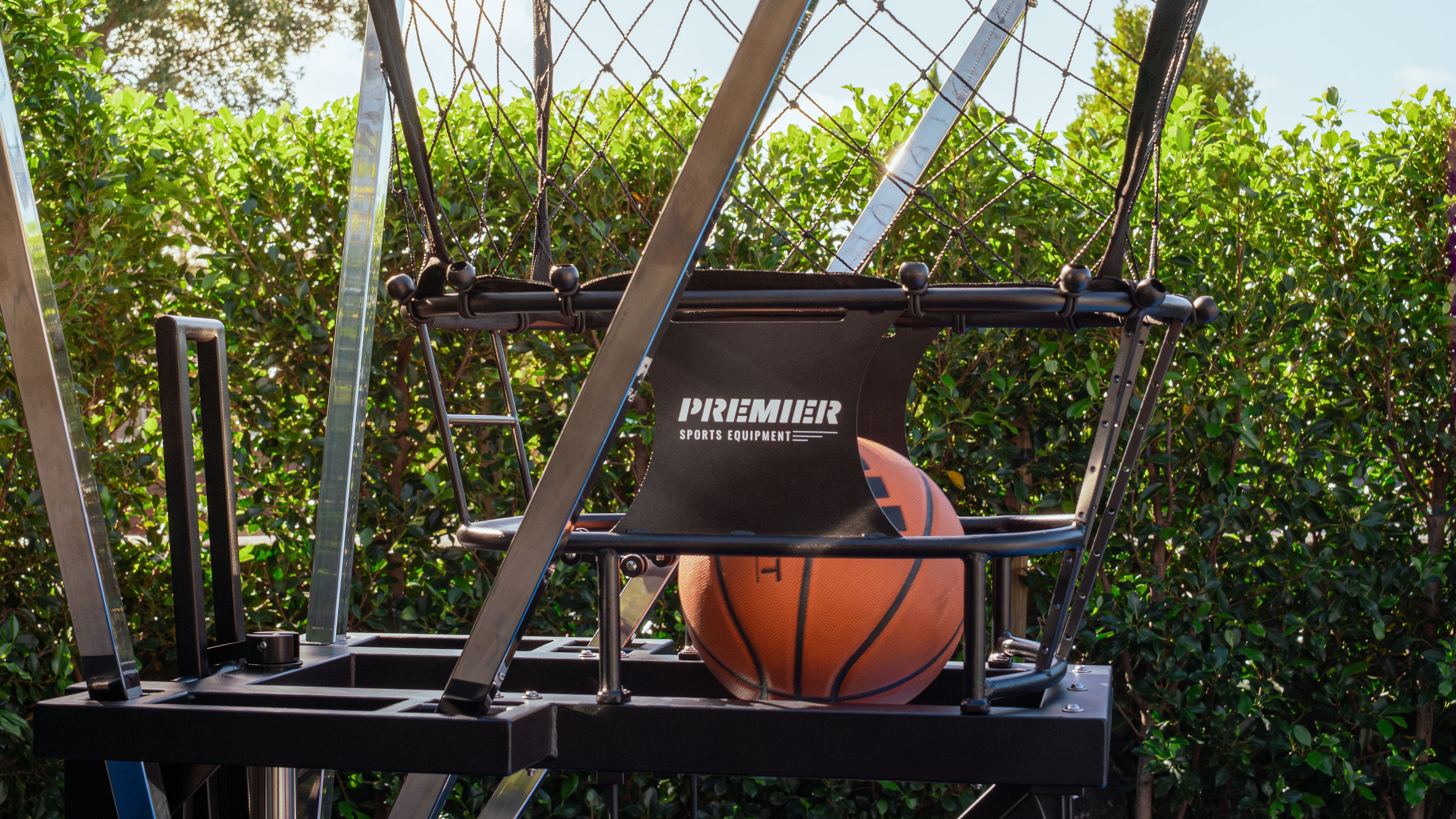
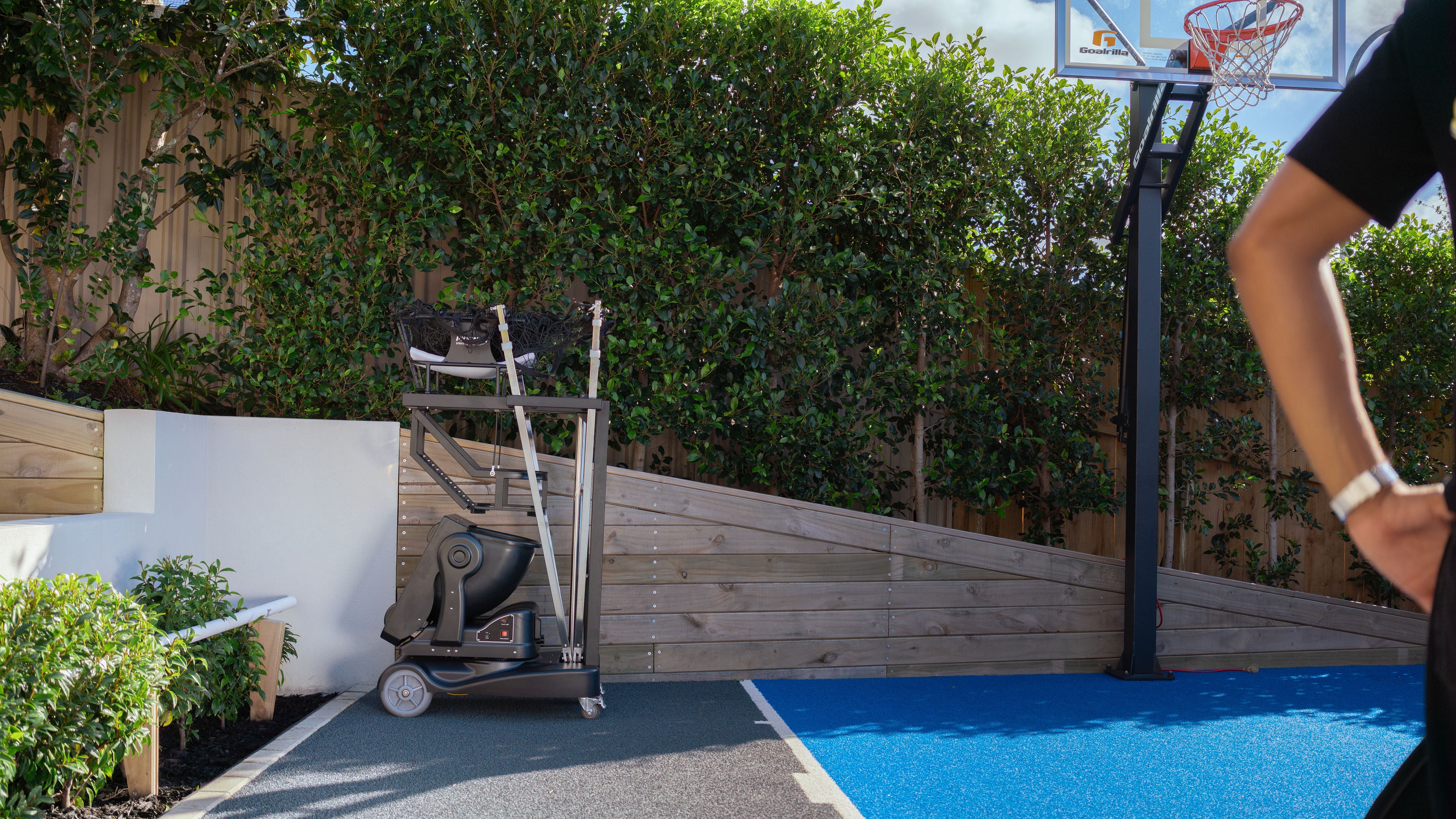
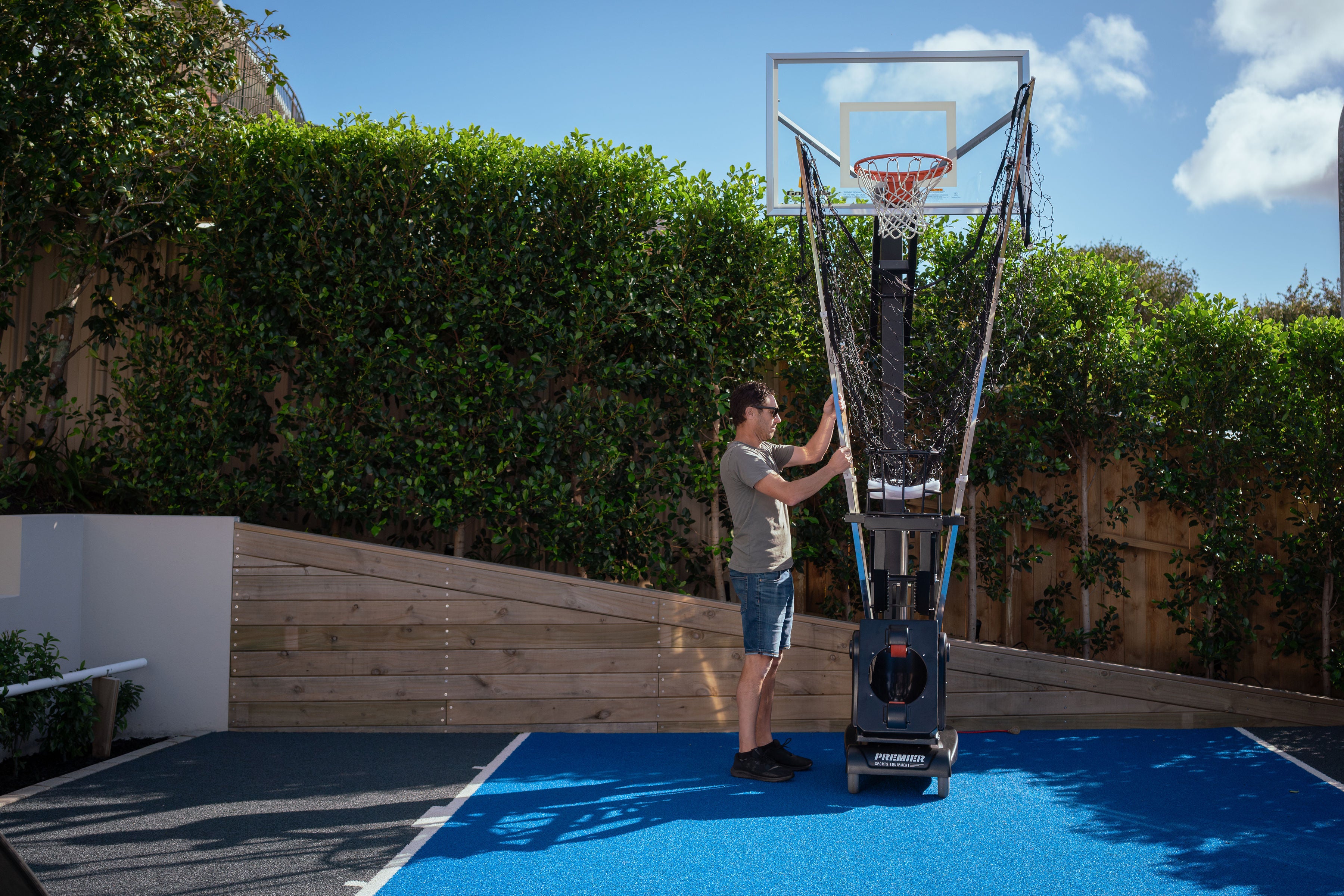
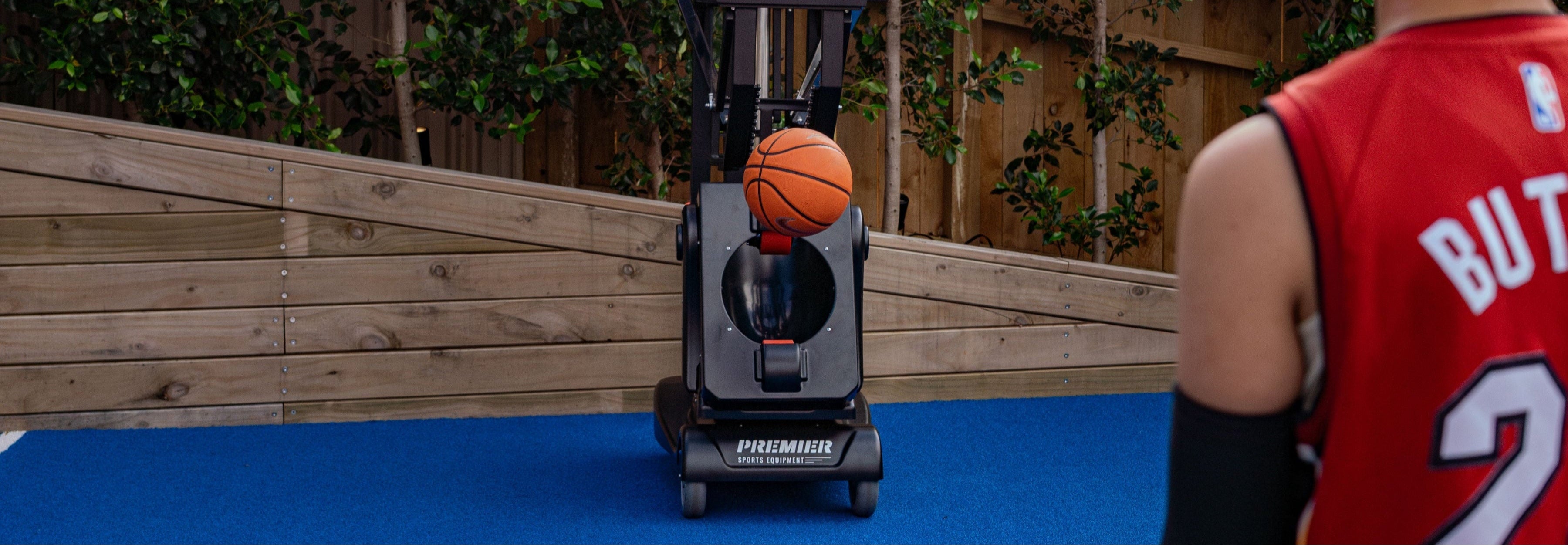
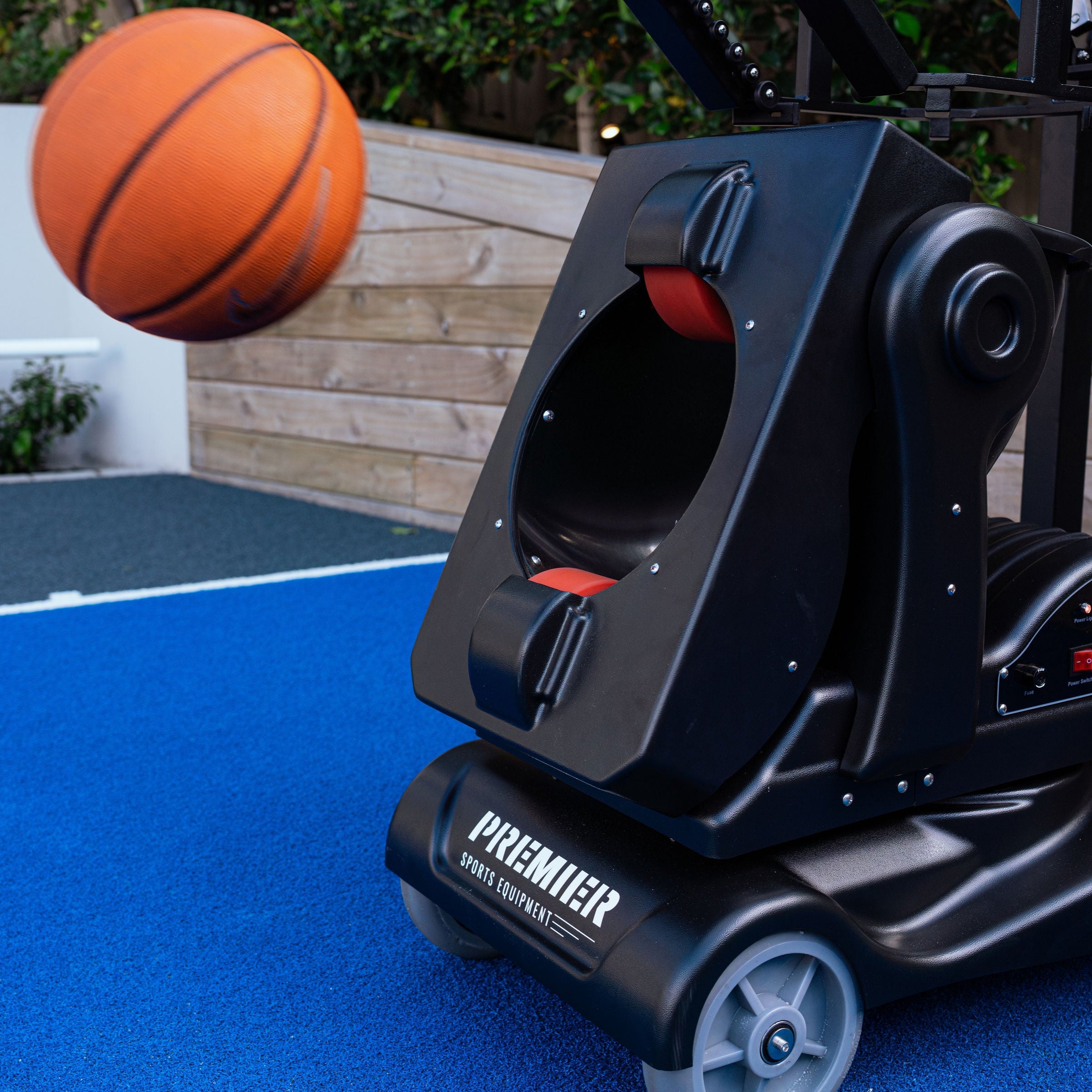
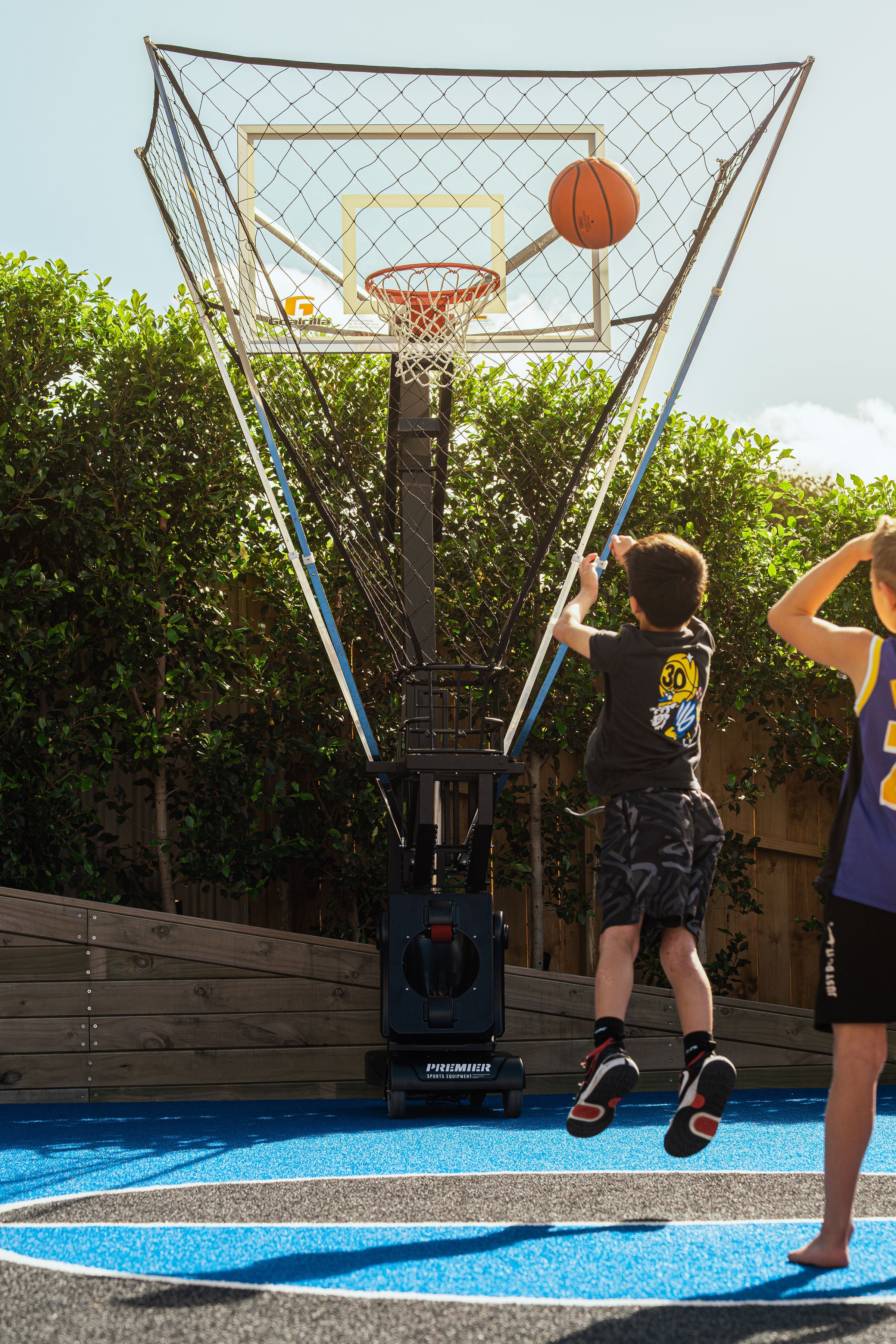
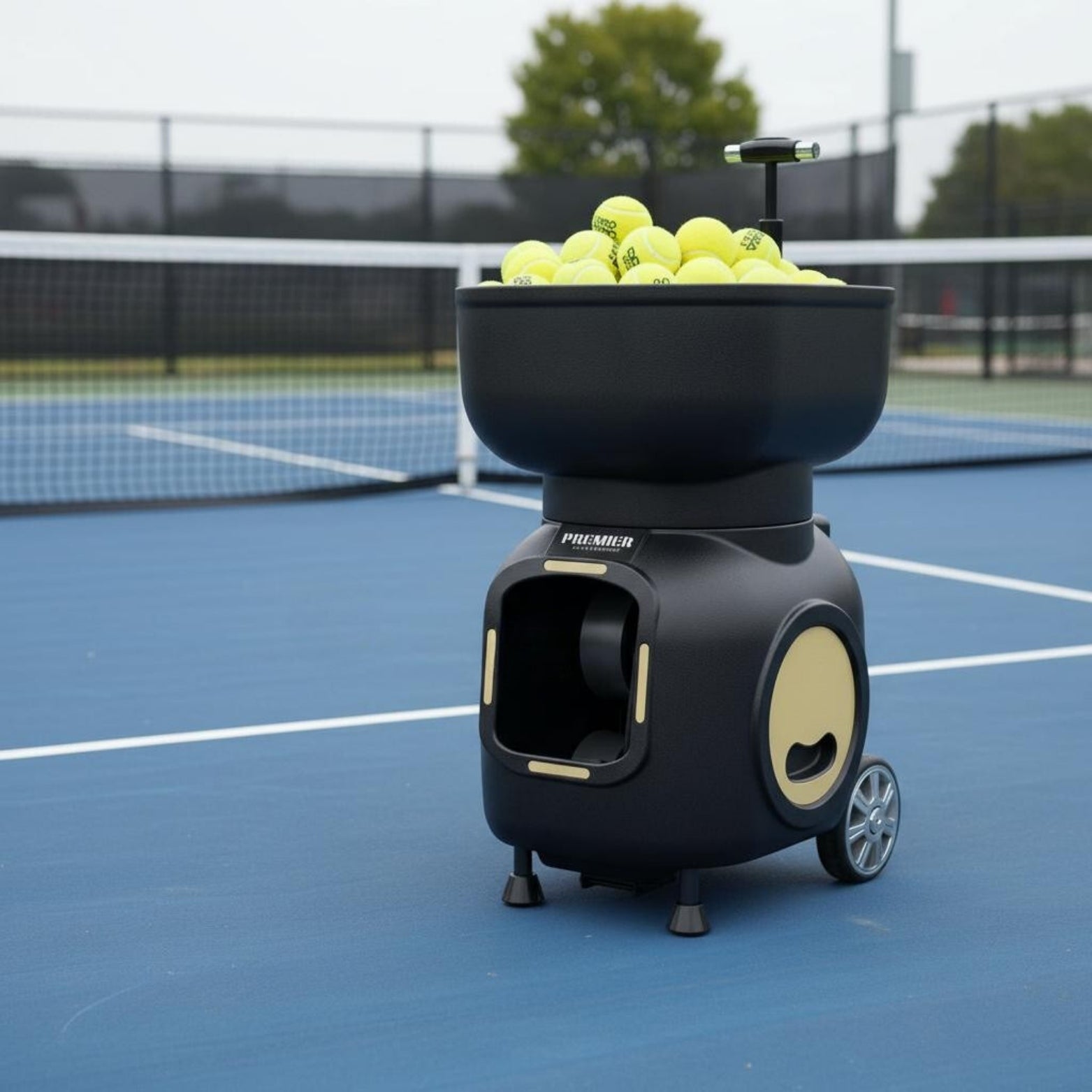
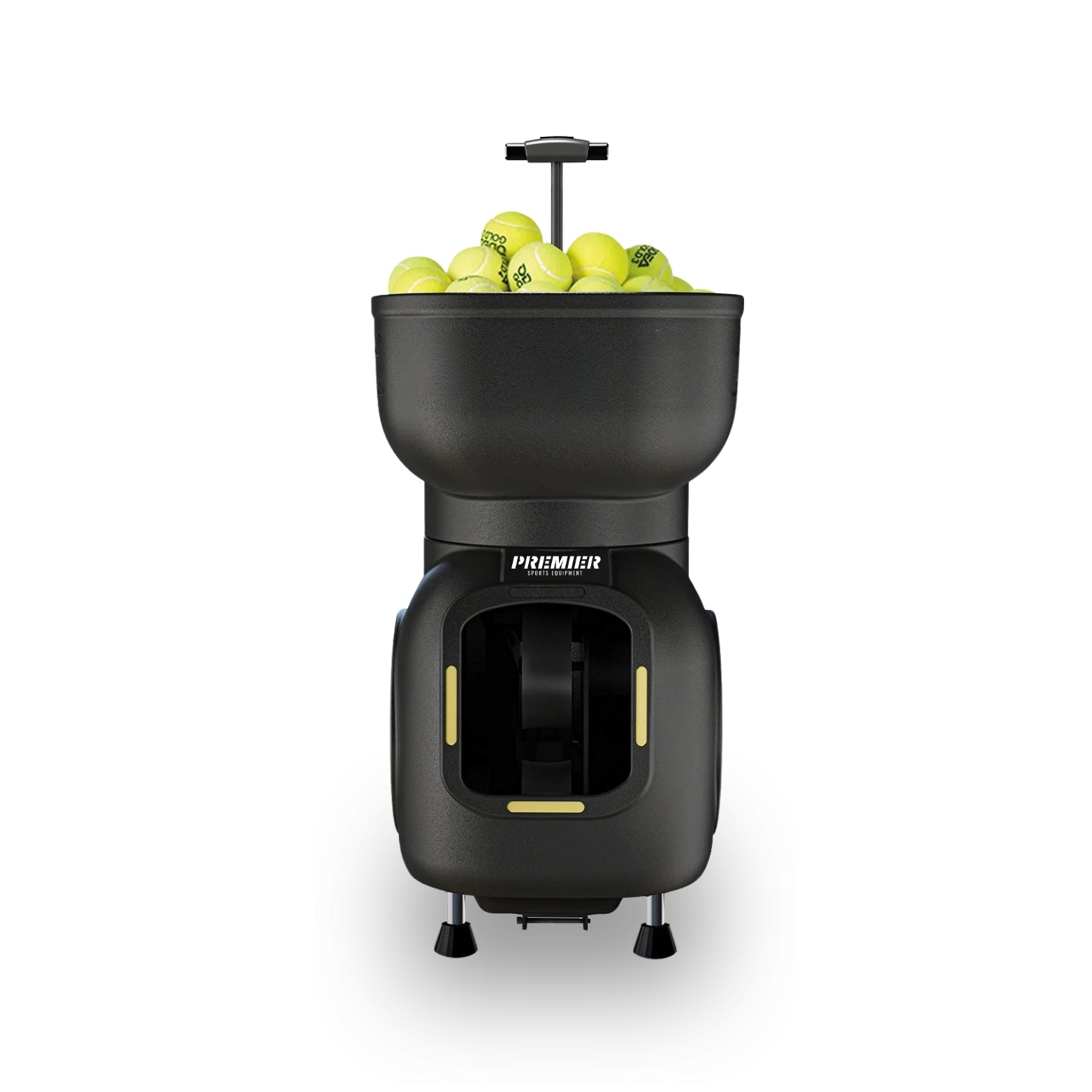
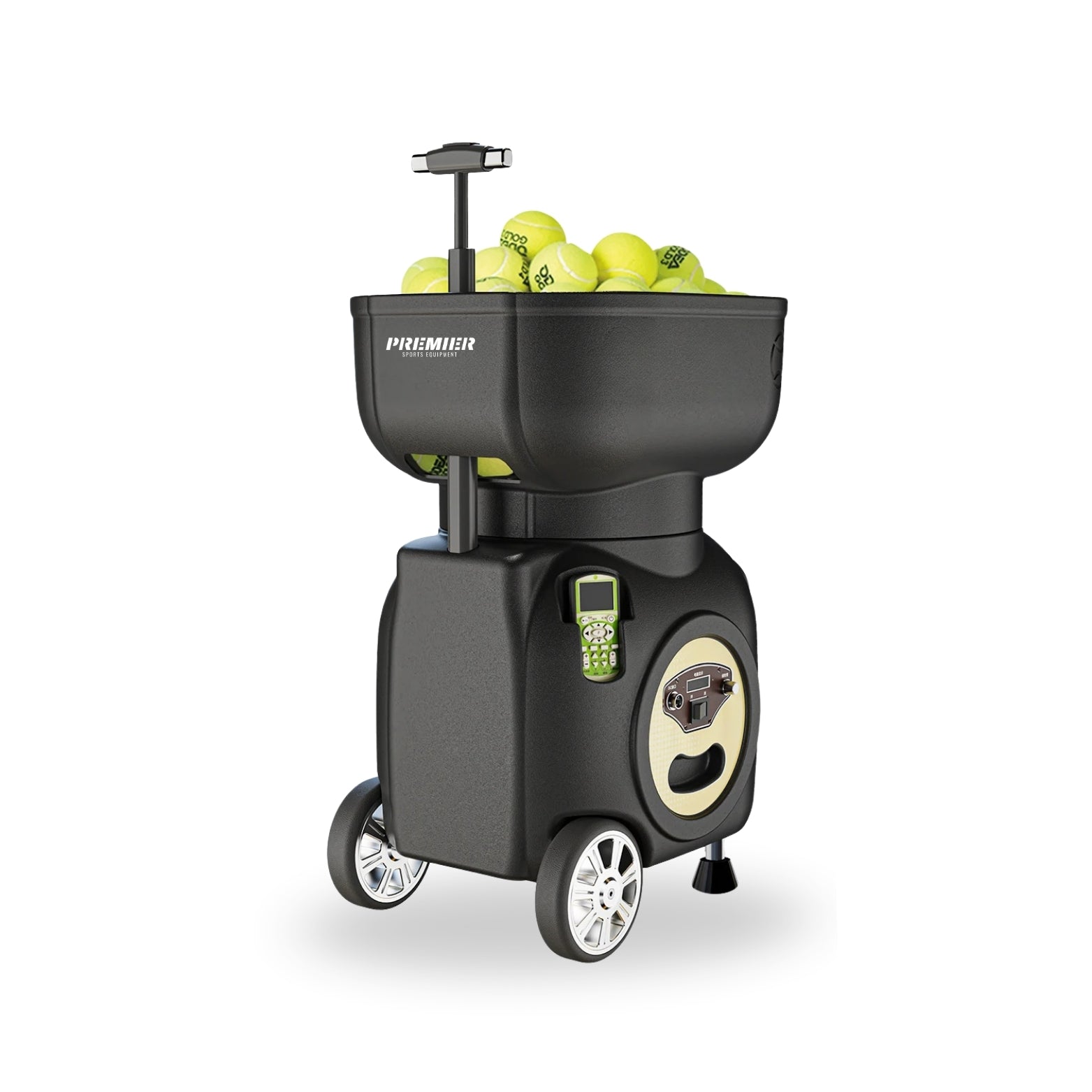
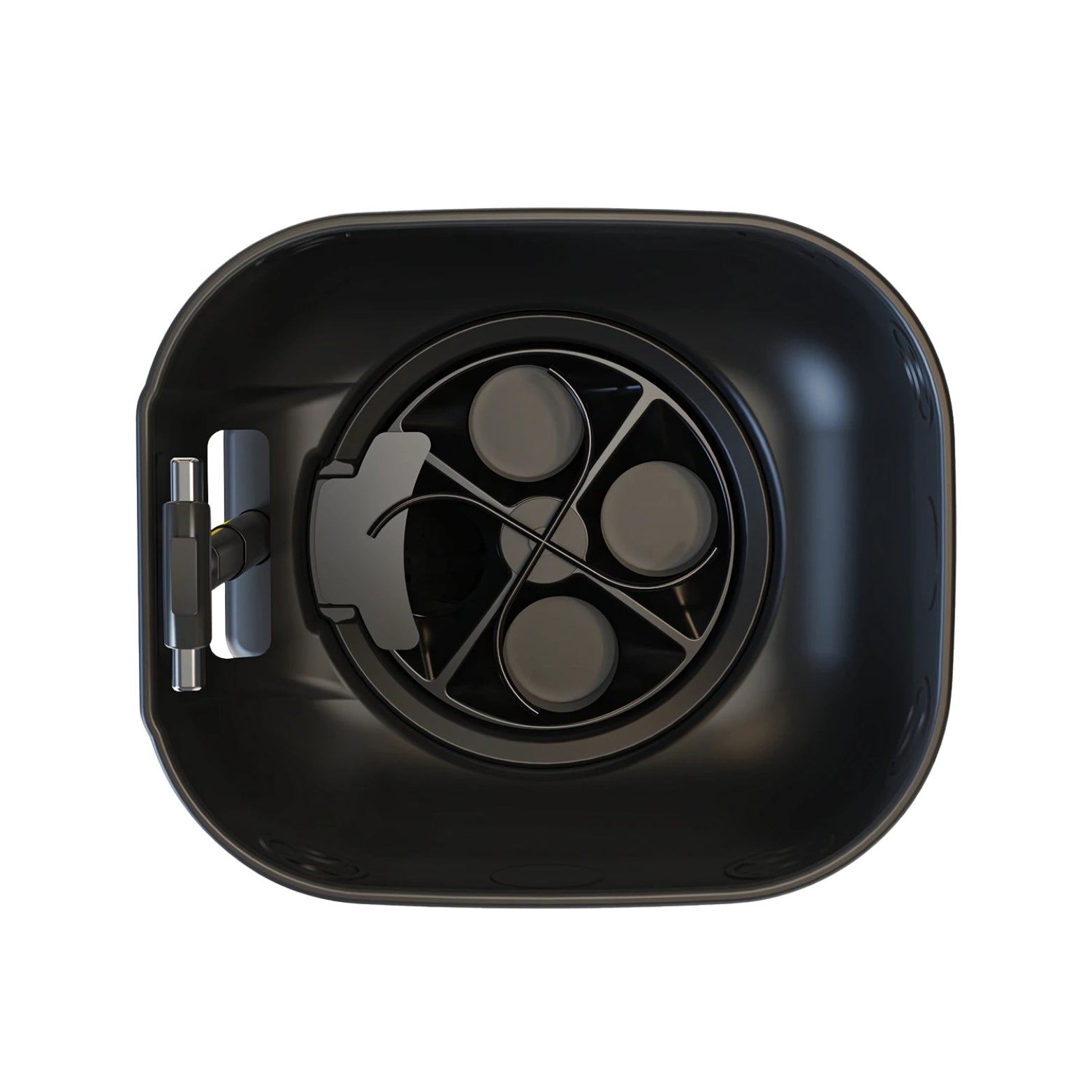
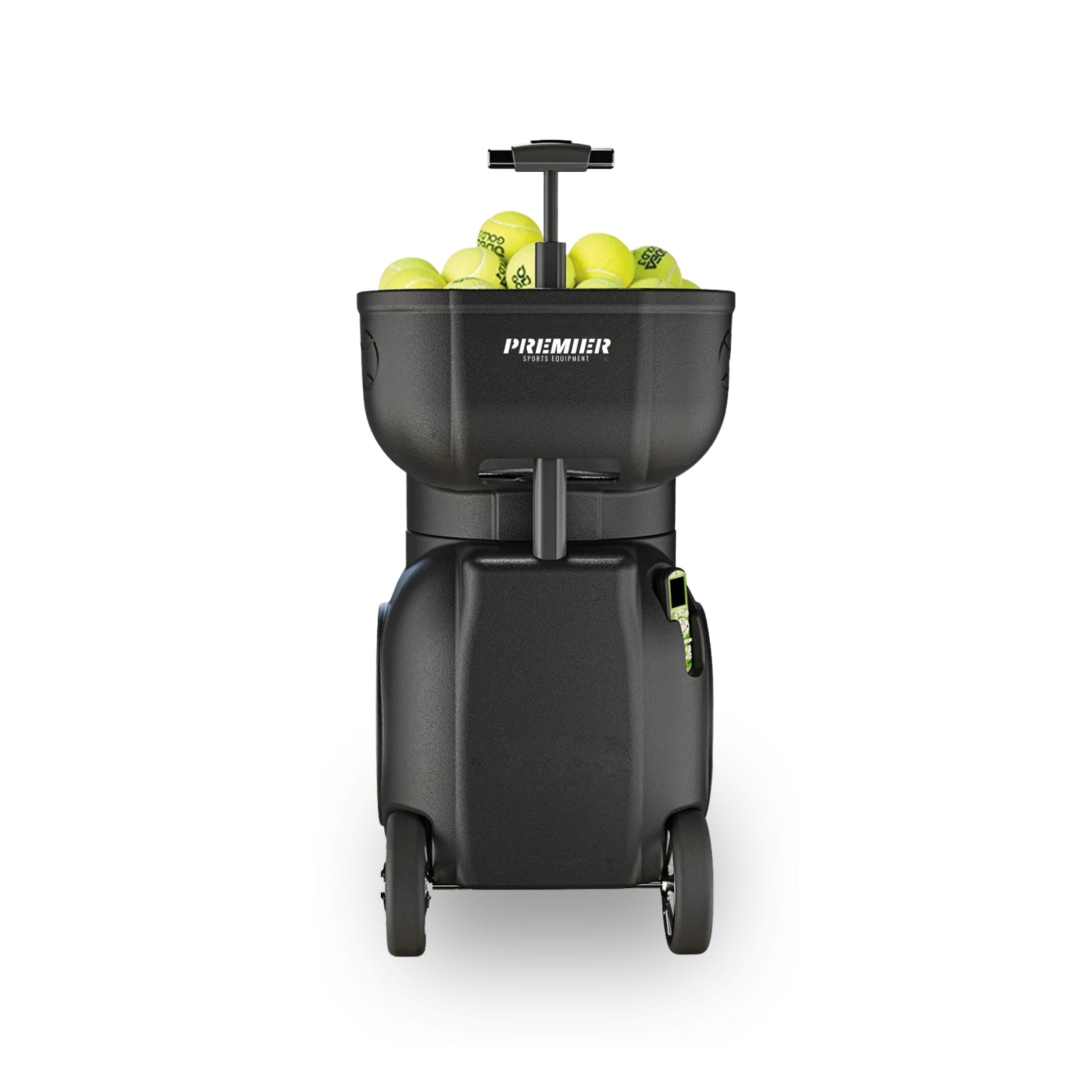
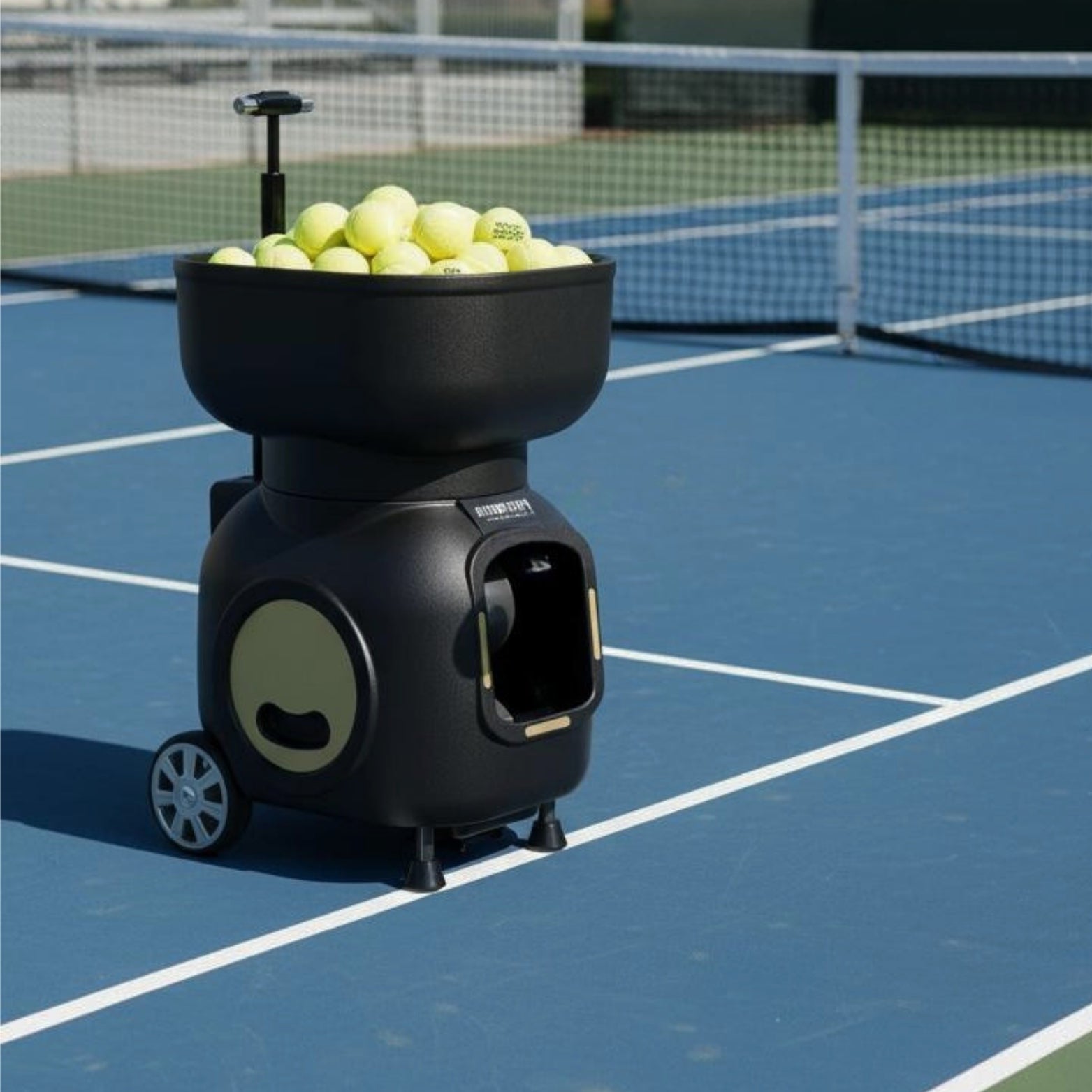
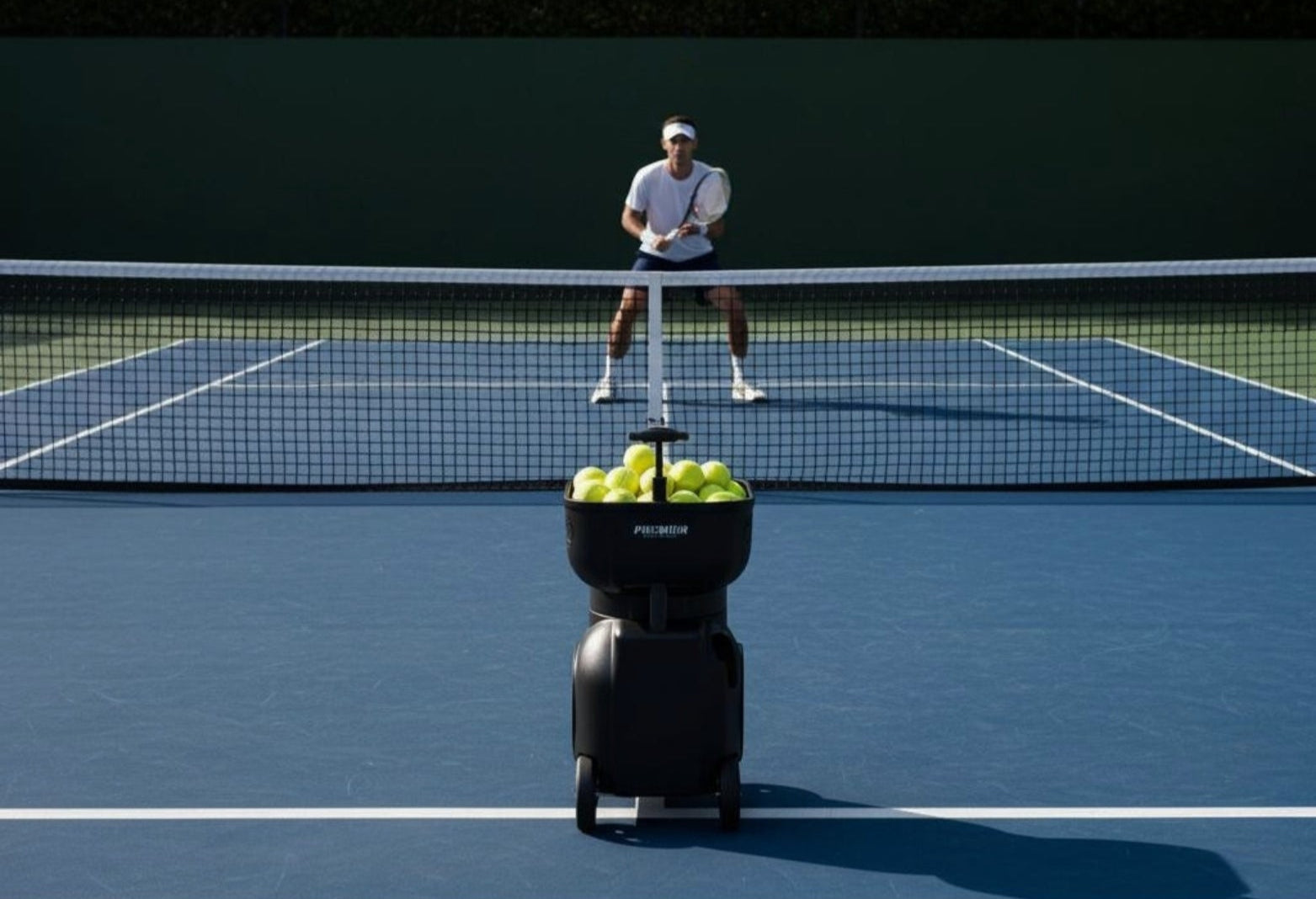
That’s where shuttle-feeding machines come in. These smart training tools recreate realistic rally conditions, allowing players to experience continuous, game-like feeds even when training alone. Machines such as the Serve Elite Max and Serve Elite Pro are engineered to deliver hundreds of shuttles in precise sequences, simulating everything from high clears to lightning-fast drives. Players can fine-tune the feed’s direction, height, and speed, crafting drills that match their specific goals.
What was once a compromise, training without a partner is now an opportunity to take control of your own development.
Independence Builds Discipline
Training solo doesn’t just test your technique; it tests your mindset. Without a coach or teammate beside you, every decision, every repetition, and every improvement is self-driven. It demands focus, accountability, and patience the same qualities that separate good players from great ones.
Structured solo sessions can often be more productive than traditional group training. They give you time to analyse your own form, review your footwork, and refine technical details that might be overlooked in a busy class. You can slow things down, experiment with grip angles, or repeat a shot until it feels instinctive. That kind of deliberate practice builds a deep understanding of your own game.
And as any experienced player will tell you, the discipline learned from training alone translates directly to match play.
Real Results from Self-Led Practice
Many elite athletes credit their breakthroughs to consistent, self-led training. It’s during these quiet, focused sessions that they fine-tune their timing, strengthen mental resilience, and build the endurance that wins long rallies.
When combined with a high-quality shuttle feeder, solo training becomes measurable and purposeful. You can track how many shots you hit, monitor consistency, and even design drills that mimic match scenarios.
Training on Your Own Terms
Modern life doesn’t always fit neatly around training schedules. For working professionals, students, and competitive juniors, time is precious. Owning or having access to a shuttle-feeding machine removes one of the biggest barriers to improvement: availability.
No more waiting for a partner. No more missed sessions because of clashing timetables. Training now depends only on your commitment.
Solo doesn’t mean isolated, and it certainly doesn’t mean less. With the right setup, training alone means training smarter with structure, focus, and freedom to grow at your own pace.
Because at the end of the day, progress in badminton isn’t about who’s on the other side of the net, it’s about the effort you bring every time you step on court.


